News Summary
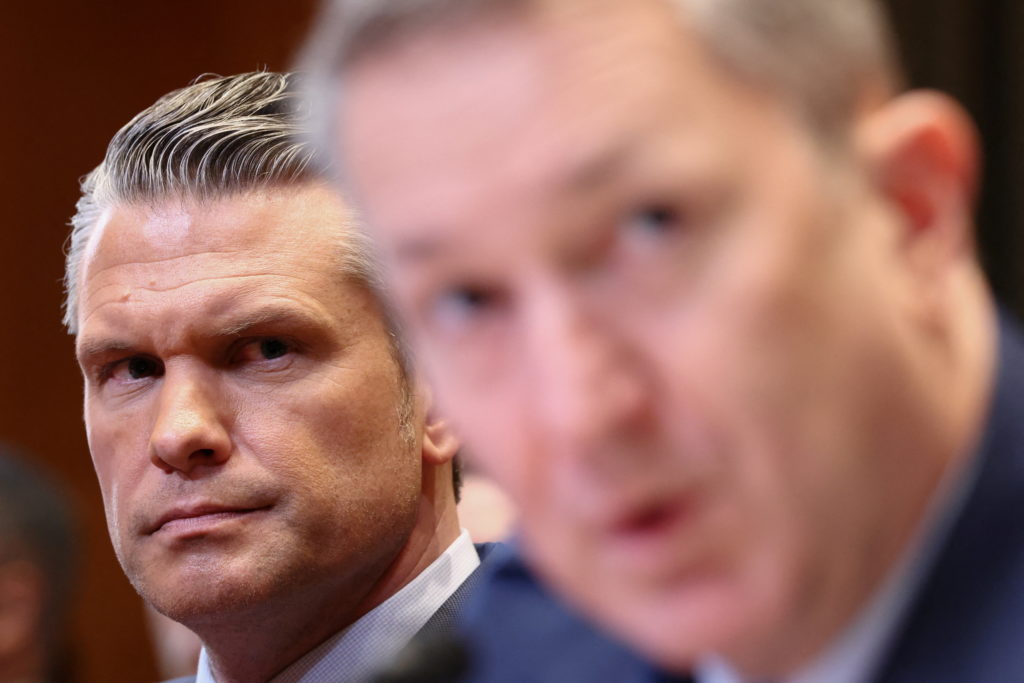
Reported facts: PBS NewsHour reports Senate hearings where Defense Secretary Pete Hegseth (and a witness named Caine, per the headline) are scheduled to testify regarding President Trump's funding request tied to renewed U.S. military action against Iran; Republicans are advancing a $95 billion package said to fund the military and to include farm aid and voting-law changes described as White House priorities. Attributions and uncertainty: the article characterizes the situation as the 'Iran war reignit[ing]' and labels the package items as White House priorities without providing detailed evidence, timelines, casualty figures, or the text of the funding measure in this brief piece.
Source and Framing Analysis
The single supplied PBS NewsHour item is a brief live-watch/announcement-style piece, not an in-depth investigation. Material uncertainties include the identity and role of the person named Caine, the precise composition and conditions of the $95 billion package, legal and military authorizations for ongoing operations, and the factual basis for describing the conflict as a reignited 'war against Iran.' The piece frames the story around hearings and a funding push, which highlights process (Congressional oversight, budget negotiations) but leaves substantive details about the conflict and consequences unreported.
Biblical Reflection
News coverage of congressional hearings and a large supplemental funding package invites Christians to weigh two related concerns: the moral cost and human consequences of renewed armed conflict, and the political processes that authorize and resource it. Scripture calls believers to care for neighbors, including noncombatants who suffer in war, and to seek justice and truth where decisions about life, security, and resources are framed and defended. The article’s brief report raises questions about prudence, accountability, and the mixing of military funding with unrelated domestic policy measures — matters that demand sober, transparent public deliberation.
At the same time, Christians should resist simplistic partisan readings. The presence of hearings and budget proposals is part of constitutional processes meant to provide oversight and checks on executive action. Our pastoral concern should be to hold leaders to truth, to advocate for those most vulnerable to violence, and to pray for wisdom for lawmakers and commanders. Because the piece provides only a short snapshot, believers should seek fuller, independent information about the conflict’s causes, the civilian humanitarian impact, the legal basis for military steps, and the specific contents and conditions of the proposed funding before forming firm judgments.
Scripture in context
- 1Matthew 5:9 — Part of the Sermon on the Mount, where Jesus calls his followers to live out a righteousness marked by mercy, humility, and peacemaking in a politically and socially fraught world. — This passage calls Christians to value peacemaking as central to discipleship — urging prayer, advocacy, and action that favor just peace and the protection of the vulnerable when nations move toward or engage in war.
Faithful Response
Pray regularly for leaders, civilians, and service members affected by the conflict.
Seek fuller, reliable information from multiple sources before forming firm opinions; prioritize independent reporting and official documents when possible.
Advocate compassionately to elected representatives for oversight, humanitarian protections, and clear legal authorization for military action.
Support churches and agencies providing humanitarian aid to civilians and care for veterans and refugees.
Reflection and Discussion
- 1How does Scripture shape what you recognize as a just or unjust use of force in international conflict?
- 2In what concrete ways should Christians seek peace and care for neighbors when their nation is involved in armed conflict?
- 3What questions should you ask of leaders and reporters to better understand the human consequences and legal basis of military action?
Sources
Reporting links are evidence inputs; Sanctuary News' biblical reflection is commentary.
This outlook currently relies on fewer than two linked sources. Broaden verification before teaching from it.
- 1.WATCH LIVE: Hegseth, Caine testify on Trump's funding request as Iran war reignitesprimary_reporting