News Summary
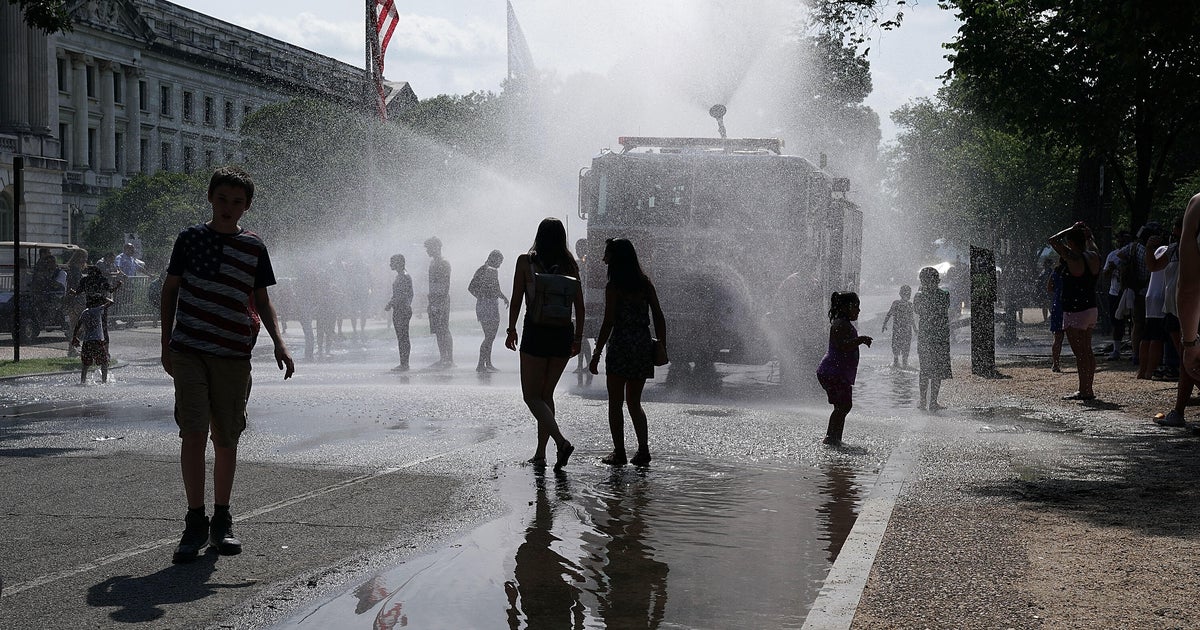
A widespread heat dome is expected to trap hot, humid air over more than half of the United States through the July Fourth holiday weekend, producing heat indices of roughly 100–115°F from the Midwest to the East Coast. Forecasters predict more than 300 temperature records will be broken, including over 100 daytime highs and more than 200 warm overnight low records; temperatures could be 20–30 degrees above average in some places. Cities are instituting emergency measures: New York City will deploy vans staffed by nurses and paramedics to hand out water and electrolytes, perform wellness checks, transport people to cooling centers, and make in-home visits for vulnerable residents; cooling centers will also be opened across the five boroughs. Nashville volunteers are handing out water to people experiencing homelessness during peak hours. The National Weather Service issued an extreme heat watch for Washington, D.C., with forecast highs around 101–103°F, which would break historical July 4 records. Medical experts warned that heat combined with humidity impairs the body’s ability to cool, raising risks of heat exhaustion and heat stroke—symptoms include fatigue, light-headedness, muscle cramps, upset stomach, and altered mental status for heat stroke. The article notes that heat is the leading cause of weather-related deaths and references recent deadly heat in Europe as context for the danger.
Biblical Reflection
The article accurately reports an immediate public-safety crisis and the concrete steps local governments and health professionals are taking to protect vulnerable people. Its emphasis on records, forecasts, and emergency responses is consistent with authoritative sources (National Weather Service, city officials) and rightly centers human vulnerability—especially the elderly and unhoused. The piece focuses on urban preparations, which is important, but gives less attention to rural areas, outdoor workers, and longer-term systemic causes. From a Christian perspective, this is a moment to practice neighbor-love: respond with practical care for those at greatest risk, support public-health efforts, and advocate for equitable resources like cooling centers and paid protections for outdoor workers. At the same time, Christians should hold both immediate prudence and long-term stewardship in tension: while the article is primarily descriptive about a particular event, the wider pattern of more frequent and intense heat events raises questions about how we responsibly care for creation and for communities whose infrastructure and resources are strained. Be wary of media language that amplifies fear without offering concrete help; faithful response combines sober awareness, compassion, and advocacy for systems that protect life.
Scripture in context
This outlook does not yet include contextual Scripture citations. Do not treat a general biblical theme as an exegetical conclusion.
Faithful Response
No prescribed response is offered. Consider the reflection prompts below in your own church context.
Reflection and Discussion
- 1Who in my community bears the greatest risk from extreme heat, and what practical help can churches or neighbors provide quickly?
- 2Does coverage of the event encourage panic or prompt clear, compassionate action—how should Christians respond differently?
- 3What does repeated extreme heat signal about our responsibilities for long-term care of creation and community infrastructure?
Sources
Reporting links are evidence inputs; Sanctuary News' biblical reflection is commentary.
This outlook currently relies on fewer than two linked sources. Broaden verification before teaching from it.
- 1.Original reportprimary