News Summary
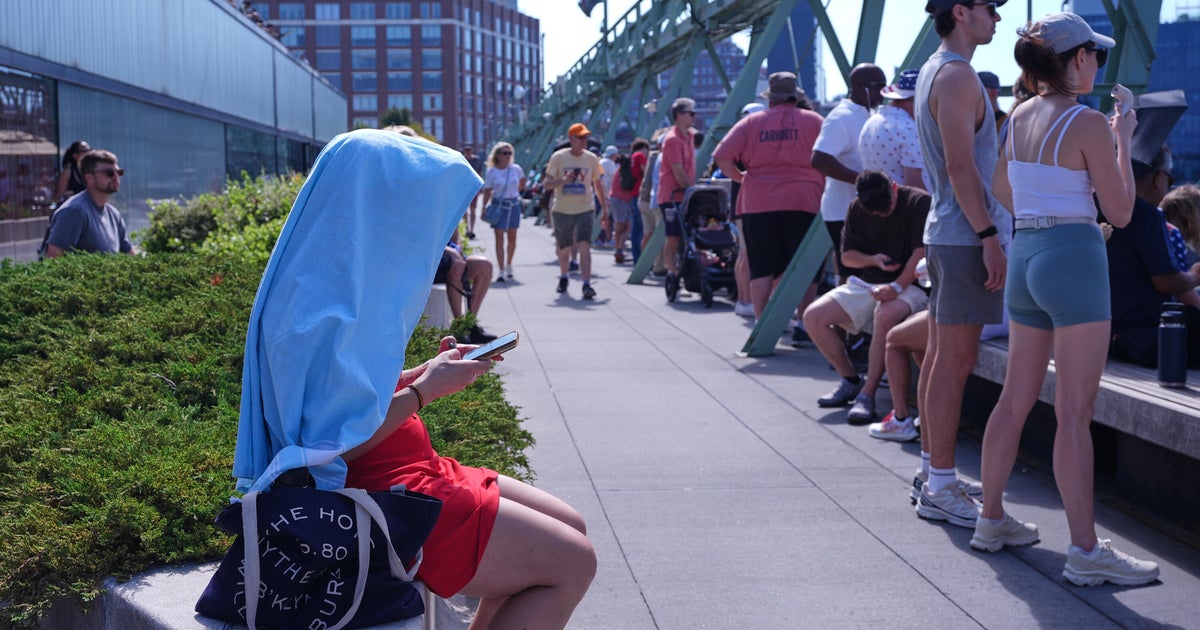
A severe heat wave and powerful storms struck parts of the Midwest and Northeast over the July Fourth weekend. Record high temperatures occurred across the region (Central Park 98°F; Atlantic City 105°F; Washington recorded an all-time warm low of 84°F). Storms produced damaging winds—gusts up to about 70 mph in parts of New Jersey—downing trees and power lines and disrupting rail service. Combined outages left nearly 1 million utility customers without power across Wisconsin, Michigan, Illinois, Pennsylvania, Ohio, New York and New Jersey, with around 750,000 still without power by noon Saturday; utility crews from multiple states and Canada were mobilized to assist restoration. Municipalities canceled or postponed parades, festivals, and fireworks in places including Belleville (NJ), Annapolis, Philadelphia, and Washington, D.C.; some large events on the National Mall continued with active monitoring. Emergency medical services reported multiple patient contacts at large events, and one 79-year-old woman was transported to hospital from a Washington celebration. In Wisconsin, a privately owned motorboat carrying 10 people attempted to reach safety during a sudden storm on Geneva Lake, capsized, and sank; six adults and one child were rescued, while three children (reported under age 13) were recovered unresponsive and later pronounced dead. Local authorities declared an emergency in Lake Geneva and investigations into the incident are ongoing.
Biblical Reflection
The article presents a straightforward account of weather-driven damage and human loss; its central truth claims are verifiable with official weather reports and local emergency statements. The coverage emphasizes disruption and tragedy, which are appropriate to the events, but it occasionally mixes human-interest details and a political comment without exploring deeper causes or systemic responses. From a Christian pastoral perspective, this story calls us to lament and to practical compassion. Natural hazards expose human vulnerability—especially among children, the elderly, and those without resilient infrastructure—and highlight our responsibility to care for neighbors in crisis. Christians should resist turning such events into partisan theater or quick attribution without evidence; instead pursue sober truth about causes (including infrastructure resilience and emergency planning) while extending mercy to victims and support to responders. The faithful response balances grief and solidarity, advocates for just public policies that protect the vulnerable (cooling centers, grid resilience, boating safety education and enforcement), and avoids exploiting the moment for spectacle. Finally, recognize the limits of human control and the need for humility, prayer, and communal care in recovery.
Scripture in context
This outlook does not yet include contextual Scripture citations. Do not treat a general biblical theme as an exegetical conclusion.
Faithful Response
No prescribed response is offered. Consider the reflection prompts below in your own church context.
Reflection and Discussion
- 1Whose needs are receiving the most attention in coverage—those who lost family, those without power, or public events and leaders—and what does that prioritization reveal about our values?
- 2What assumptions about causes (weather patterns, infrastructure, personal responsibility) are left unexplored, and how should Christians weigh scientific, civic, and moral claims before drawing conclusions?
- 3How does our view of neighbor-love shape the kinds of public investments (like grid resilience and heat relief) we support for preventing future harm?
Sources
Reporting links are evidence inputs; Sanctuary News' biblical reflection is commentary.
This outlook currently relies on fewer than two linked sources. Broaden verification before teaching from it.
- 1.Original reportprimary