News Summary
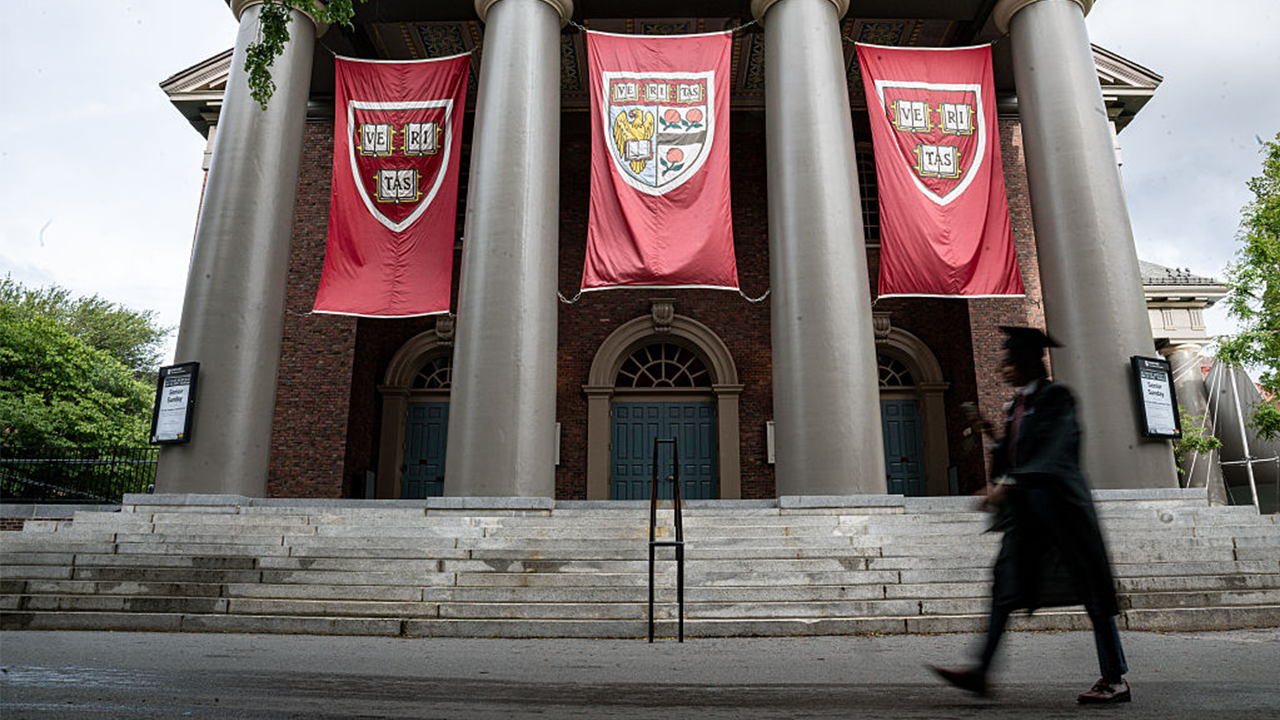
Harvard University is reviewing whether the Harvard Republican Club (HRC) violated university harassment and photography policies after the club posted on its X account criticizing an on-campus Eid al-Fitr event hosted by the Harvard Islamic Society. The HRC post described loud music and prayer outside dorms, prayer mats on the grass, vendors selling religious coverings and books, and alleged that campus security told a member he could not take pictures; the post remains pinned on the group's account. The Harvard Islamic Society co-president responded in the Harvard Crimson, calling the post false and bigoted and urging disciplinary action; CAIR also urged Harvard to take immediate action. The article places this incident in the broader context of federal pressure on Harvard, noting the Justice Department has sued the university alleging it failed to protect Jewish students from harassment, and that the Trump administration recently reduced multi-year grants to Harvard related to that dispute.
Biblical Reflection
From a Christian perspective, the story highlights several competing commitments: the need to uphold free and fair campus processes, the duty to protect religious minorities from harassment, and the responsibility to speak truthfully and charitably. Media pieces that link discrete campus incidents to larger political fights can amplify polarization and obscure facts; discernment is needed to separate what is documented from speculation or rhetoric. Biblically, Christians are called to defend the vulnerable (Proverbs 31:8–9; Micah 6:8), to seek justice without partisanship, and to speak the truth in love (Ephesians 4:15). That means supporting fair investigation and due process, opposing both anti‑Muslim and anti‑Jewish bigotry, and resisting a rush to demonize institutions or groups before facts are established. Practically, be cautious of narratives that primarily serve political agendas; instead advocate for religious pluralism, respectful discourse, and policies that protect students of all faiths.
Scripture in context
This outlook does not yet include contextual Scripture citations. Do not treat a general biblical theme as an exegetical conclusion.
Faithful Response
No prescribed response is offered. Consider the reflection prompts below in your own church context.
Reflection and Discussion
- 1Does the article clearly distinguish confirmed facts from claims and political context, or does it combine distinct controversies in a way that shapes the reader’s judgment?
- 2How should Christians weigh commitments to free expression against the imperative to protect religious minorities from harassment in campus conflicts?
- 3Are we inclined to accept the perspective that most aligns with our political identity, and how can we instead pursue fair-minded truth and compassion for all parties?
Sources
Reporting links are evidence inputs; Sanctuary News' biblical reflection is commentary.
This outlook currently relies on fewer than two linked sources. Broaden verification before teaching from it.
- 1.Original reportprimary