News Summary
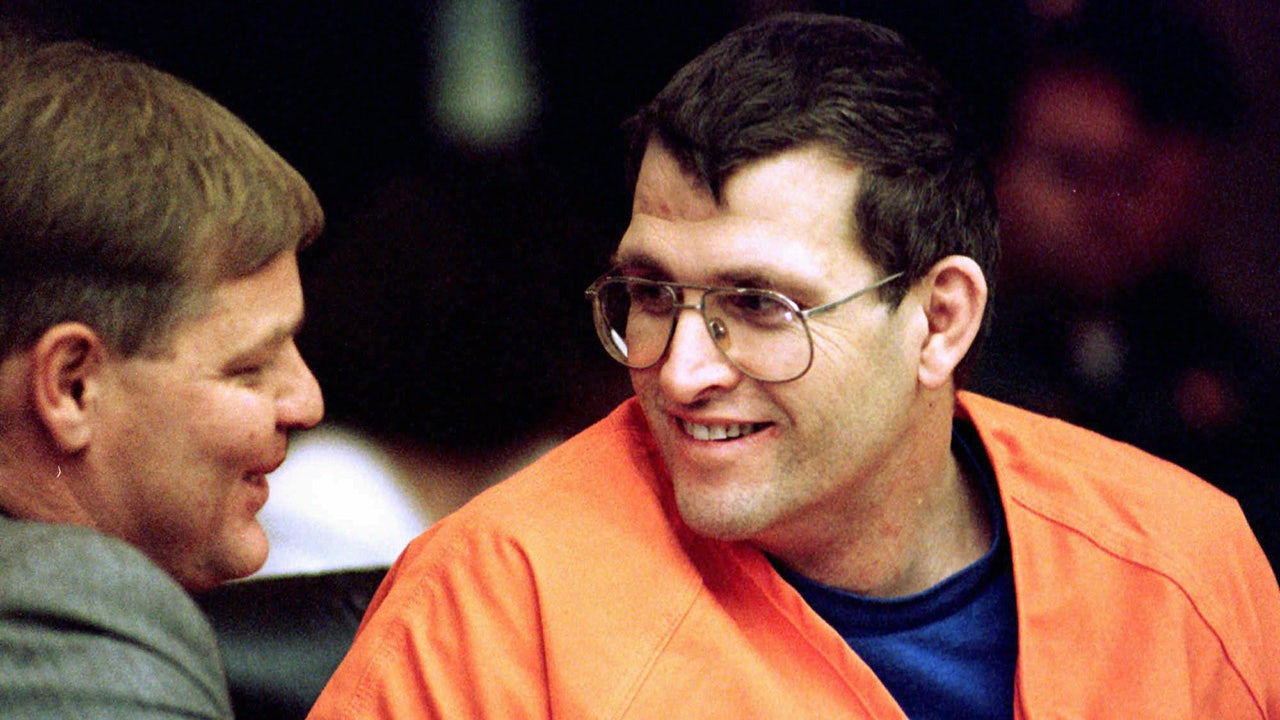
Rex Heuermann, an architect accused in the Gilgo Beach killings, pleaded guilty in April 2026 to seven counts of murder and admitted to an uncharged eighth killing as part of a plea agreement; he faces multiple consecutive life sentences, including at least three without parole, and is due to be formally sentenced on June 17. He remains in Suffolk County Jail and will be transferred to state prison after sentencing. Prosecutors say the victims were tortured and strangled, and some were dismembered; investigators used rootless hair DNA evidence linked to Heuermann and attempted suppression motions by his attorney were denied prior to the plea. The Gilgo Beach remains were first found after a 2010 disappearance and the case was reopened by a task force in 2022. Keith Jesperson, the convicted 'Happy Face' killer, has been corresponding with Heuermann and told a podcaster and Fox News Digital that Heuermann’s size and attitude may make him a target in prison and that guards could at times expose inmates to danger; Jesperson also said he advised Heuermann about navigating the prison system. Heuermann's ex-wife said she will not attend sentencing out of respect for victims’ families. As part of the plea, Heuermann agreed to cooperate with the FBI Behavioral Analysis Unit to study his psychology.
Biblical Reflection
This story sits at the intersection of justice, public curiosity, and the dignity of victims. Factually, the piece reports on a guilty plea, pending sentencing, and correspondence between two convicted killers. The decision to highlight warnings from a notorious murderer risks amplifying a sensational voice rather than centering victims and survivors; media emphasis on lurid details and inmate-to-inmate commentary can retraumatize families and feed a culture of morbid fascination. From a Christian perspective, we should seek truth and support accountability—Heuermann’s confession and expected lifelong sentences reflect legal consequences—but also resist schadenfreude. The Bible calls us to pursue justice and protect the vulnerable, while remembering that even those who commit grave crimes are human beings accountable before God. Coverage that privileges a convicted killer’s speculation about prison violence should be weighed against compassion for victims’ loved ones and the broader need for humane, just treatment within the penal system. Prayfulness, sober reflection, and care for survivors should shape how Christians receive this news rather than titillation or vengeful satisfaction.
Scripture in context
This outlook does not yet include contextual Scripture citations. Do not treat a general biblical theme as an exegetical conclusion.
Faithful Response
No prescribed response is offered. Consider the reflection prompts below in your own church context.
Reflection and Discussion
- 1Does giving space to a convicted killer’s warnings and commentary honor victims and their families, or does it amplify a sensational voice?
- 2How should Christians balance a desire for justice with the call to resist vindictiveness and to remember the humanity—even brokenness—of offenders?
- 3What assumptions about safety, punishment, and rehabilitation shape our reaction when reports emphasize potential prison violence?
Sources
Reporting links are evidence inputs; Sanctuary News' biblical reflection is commentary.
This outlook currently relies on fewer than two linked sources. Broaden verification before teaching from it.
- 1.Original reportprimary