News Summary
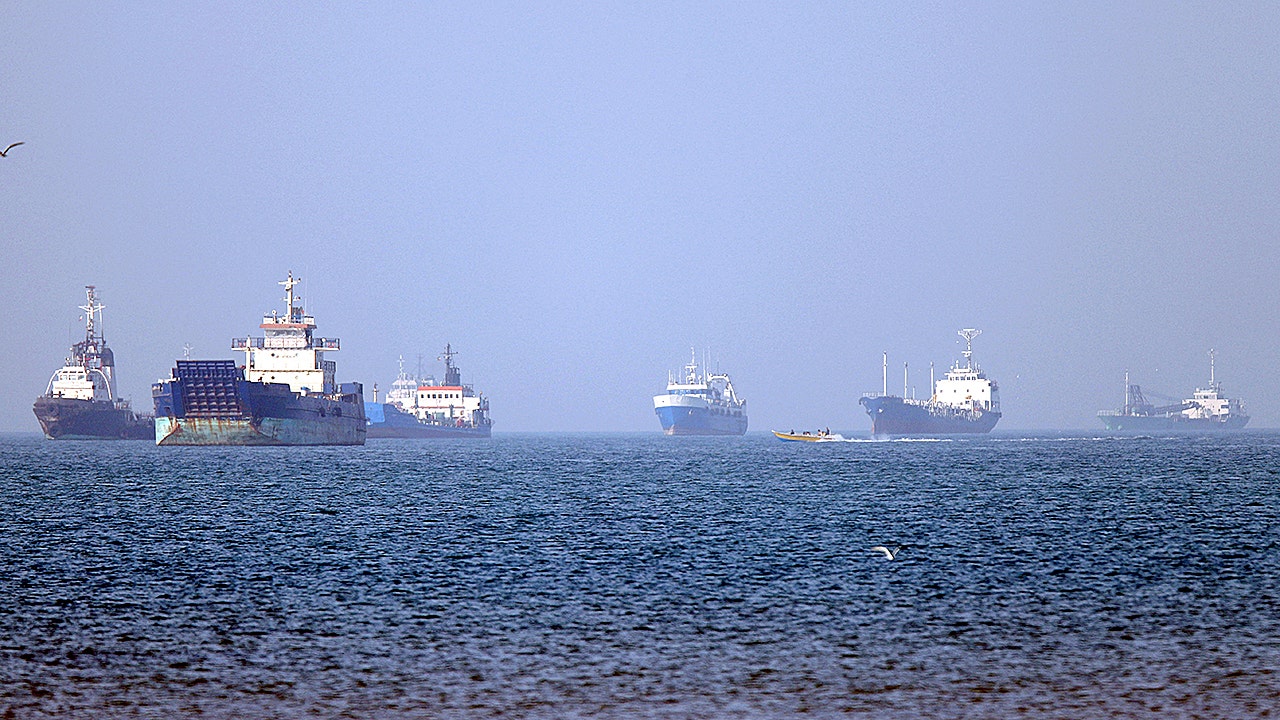
Hapag-Lloyd warned that a heightened-risk environment in the Strait of Hormuz has become a "new normal" amid escalating military strikes and conflicting routing directives. U.S. Central Command conducted airstrikes on Iranian targets after an incident in the strait; Iran responded with attacks targeting U.S. sites and launched drones toward Kuwait and Bahrain. Maritime intelligence firms Windward AI and Vortexa reported that Iran simultaneously moved roughly 4.12 million barrels of wet cargo from Kharg Island — about 3.91 million barrels of crude — signaling a restart of Iranian crude exports for the first time in days. Shipping traffic has been disrupted: vessels have been anchored and transit lanes are operating under a split system with an Iran-controlled northern route and a U.S.-protected southern route, while pre-conflict routes remain unsafe because of mine risks. Iranian state media said passage requires coordination with the IRGC. Hapag-Lloyd said it conducts individual risk assessments for ships and prioritized crew safety, and it opposed any attempt to charge fees for passage through the strait. The company reported it had safely moved affected vessels that had been waiting in the Persian Gulf.
Biblical Reflection
The article describes a real and widening threat to a critical international trade corridor that combines military, commercial, and diplomatic dimensions. Reporting relies on statements from shipping firms, maritime analytics, and military sources; those are appropriate data points but can reflect the priorities of commercial actors and of national militaries. The framing emphasizes operational chaos and risk, which is accurate given conflicting routing directives and mine threats, but readers should note the mix of commercial (Hapag-Lloyd), intelligence (Windward, Vortexa), and military sources — each with different incentives and perspectives. Viewed through Christian wisdom, this story highlights human brokenness: power struggles, economic pressure, and the danger such conflicts impose on noncombatants — sailors, port workers, and consumers dependent on stable trade. Christians should resist simplifying people into monolithic enemies or treating strategic waterways as mere assets; instead we should pray and advocate for restraint, protection of civilians and crews, honest reporting, and responsible diplomacy that seeks to preserve life and the common good. The call for accountability is appropriate, but it must be coupled with mercy for those bearing the immediate costs and wisdom that prioritizes de-escalation over profit or prestige.
Scripture in context
This outlook does not yet include contextual Scripture citations. Do not treat a general biblical theme as an exegetical conclusion.
Faithful Response
No prescribed response is offered. Consider the reflection prompts below in your own church context.
Reflection and Discussion
- 1Whose perspectives are most emphasized in this coverage — commercial shipping interests, military sources, or civilians caught in the middle — and how does that shape our view of who is harmed?
- 2How does the language of 'new normal' influence public acceptance of prolonged risk, and what responsibilities do leaders and businesses have to seek lasting de-escalation rather than adaptation?
Sources
Reporting links are evidence inputs; Sanctuary News' biblical reflection is commentary.
This outlook currently relies on fewer than two linked sources. Broaden verification before teaching from it.
- 1.Original reportprimary