News Summary
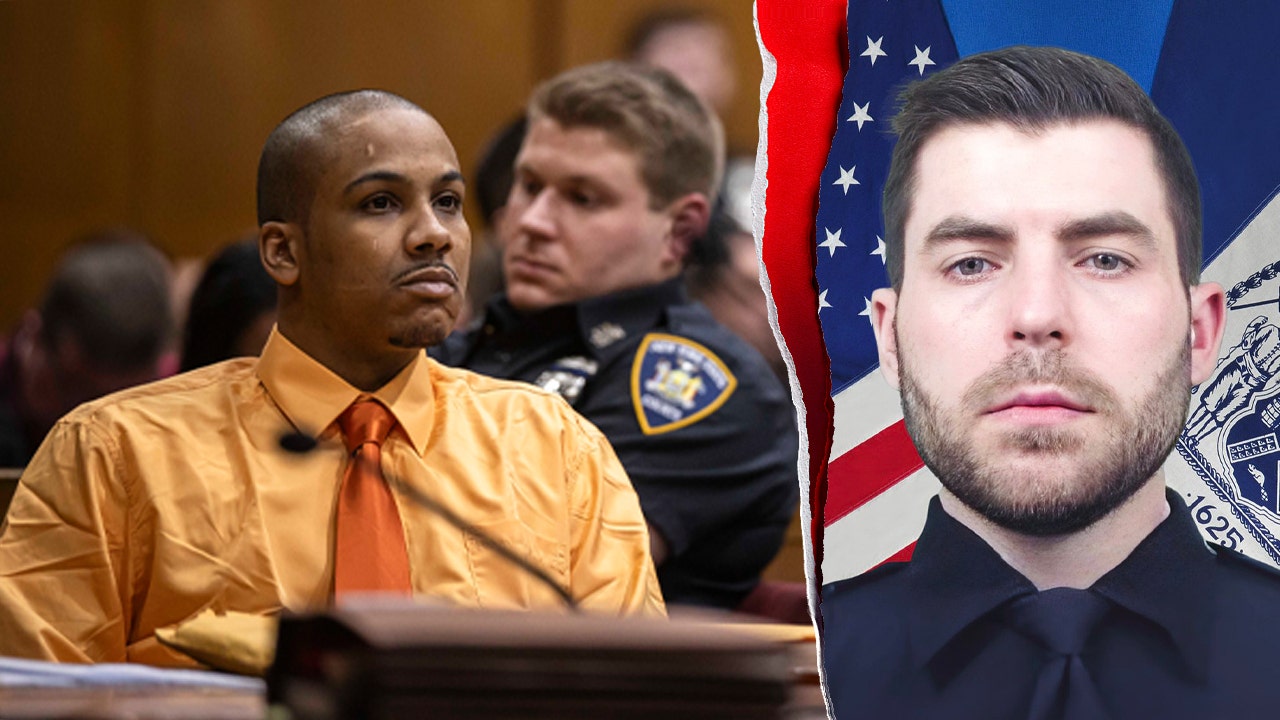
Guy Rivera was found guilty of aggravated manslaughter in the first degree, attempted murder in the first degree (for trying to shoot an NYPD sergeant), and two counts of criminal possession of a weapon in the second degree. He was acquitted of first-degree murder. The jury initially reported a verdict that was later questioned when one juror said the decision was not unanimous, and the judge sent the jury back to continue deliberations; the jury later returned a unanimous verdict. The charges stem from a March 2024 traffic stop in Far Rockaway, Queens, where prosecutors say Rivera shot and killed NYPD Detective Jonathan Diller after being ordered out of a vehicle; Rivera allegedly then pointed the gun at Sergeant Sasha Rosen and pulled the trigger but the gun jammed. Diller wrestled the gun away before collapsing; Rivera was shot twice during the encounter. Diller, who had been off duty and at a park with his family when called in, died of his injuries. Queens District Attorney Melinda Katz issued a statement honoring Diller's service and expressing solidarity with his family and fellow officers.
Biblical Reflection
This case raises familiar tensions: the community's demand for accountability and the legal system's requirement for proof beyond a reasonable doubt about specific elements (such as intent and premeditation) that distinguish murder from manslaughter. The reporting emphasizes the human cost — a slain officer, a grieving family, and the danger to fellow officers — which is appropriate given the facts. At the same time, readers should note procedural details (a juror's initial dissent, a required unanimous verdict) that demonstrate the safeguards of due process rather than quick resolution. Christians should resist two errors: (1) conflating legal outcomes with ultimate moral verdicts — the court’s determinations rest on legal definitions and evidence standards; and (2) allowing outrage or sympathy to eclipse the call to pursue justice with humility and truth. Scripture calls us to both seek justice and to show mercy; the community must support the bereaved and the wounded while trusting lawful procedures to sort criminal culpability. Be wary of media framing that prioritizes emotive imagery or tribal solidarity over careful explanation of what the law requires. Pray for the family, for a just sentence and system response, and for healing in a city where violent encounters leave long shadows.
Scripture in context
This outlook does not yet include contextual Scripture citations. Do not treat a general biblical theme as an exegetical conclusion.
Faithful Response
No prescribed response is offered. Consider the reflection prompts below in your own church context.
Reflection and Discussion
- 1Am I responding from emotion or from an understanding of how legal definitions (intent, premeditation, burden of proof) shape criminal verdicts?
- 2How does media emphasis (images, quotes, institutional solidarity) influence my sympathy and judgment in cases involving law enforcement?
- 3Where does the call to seek justice intersect with the call to show mercy and avoid rushing to a final moral verdict before all facts and due process are complete?
Sources
Reporting links are evidence inputs; Sanctuary News' biblical reflection is commentary.
This outlook currently relies on fewer than two linked sources. Broaden verification before teaching from it.
- 1.Original reportprimary