News Summary
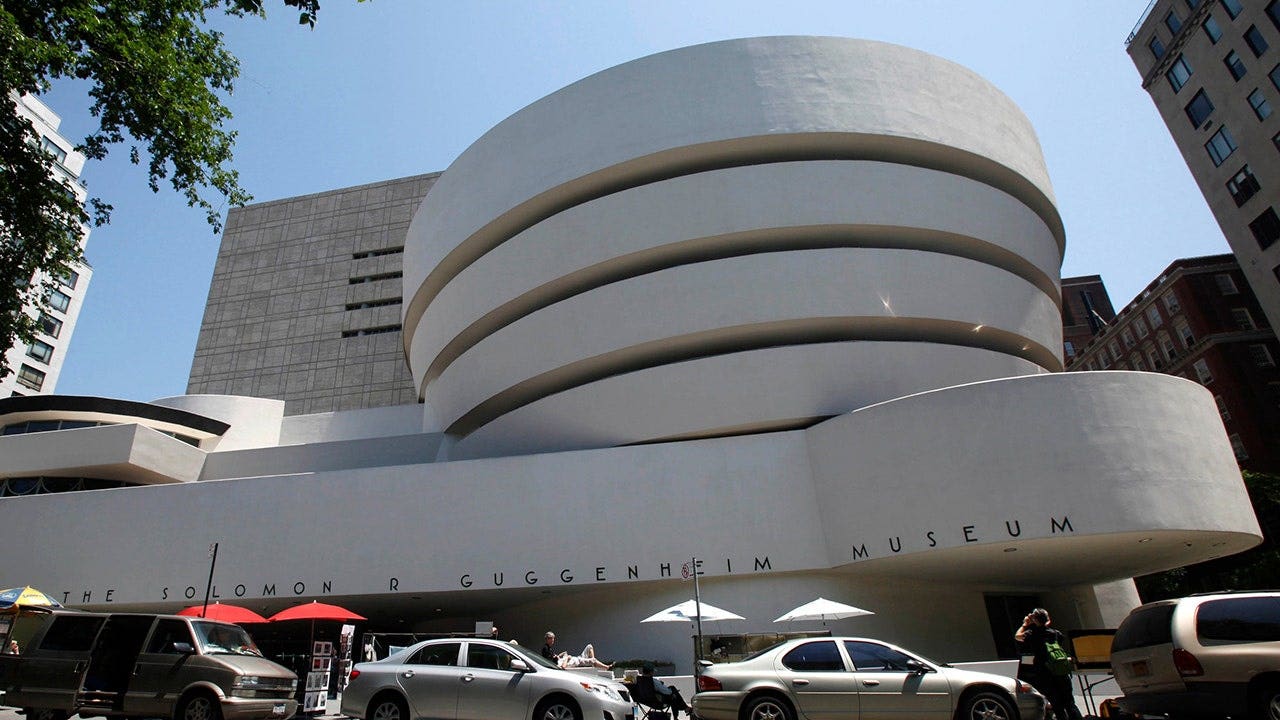
New York City health officials reported an outbreak of Legionnaires' disease centered on the Upper East Side. Initial coverage cited 23 confirmed cases with 17 hospitalizations; later reporting indicated more than 50 diagnosed cases with fewer than 20 people hospitalized. The city identified 31 buildings whose cooling towers tested positive for Legionella bacteria and ordered disinfection; 19 of those buildings had completed disinfection at the time of the report. The Solomon R. Guggenheim Museum was among the buildings named; the museum said the city confirmed no additional action was needed and that there was no risk to people inside the building. Health officials emphasized Legionella is naturally occurring in water and is spread by inhaling aerosolized contaminated water (commonly from cooling towers), not by drinking water or person-to-person contact. Symptoms include fever, chills, and shortness of breath, and the illness is treatable with antibiotics if detected early. The source of the outbreak remained under investigation, and the city continued testing and disinfecting cooling towers in the affected area. The article notes past clusters traced to cooling towers that resulted in deaths as background context.
Biblical Reflection
The article reports a legitimate public-health event and largely sticks to public-health guidance, but it highlights a tension common in news coverage: emphasis on prominent institutions (the Guggenheim) can draw attention away from the broader systemic issues of building maintenance and preventive infrastructure. The factual core — that Legionella is spread through aerosolized warm water and that disinfection of cooling towers is the appropriate public-health response — aligns with scientific guidance. Still, readers should note shifting case counts and media attention can produce confusion or undue alarm. From a Christian perspective, truthfulness matters: we should value accurate information, avoid amplifying fear, and support responsible public-health measures. Mercy and neighbor-love call Christians to practical care for those affected (checking on sick neighbors, supporting hospitals and caregivers) and to advocate for responsible stewardship of shared spaces so preventable outbreaks are minimized. Humility and peace counsel against scapegoating and sensationalizing institutions; courage and justice call for accountability in building upkeep and public infrastructure that protect the vulnerable.
Scripture in context
This outlook does not yet include contextual Scripture citations. Do not treat a general biblical theme as an exegetical conclusion.
Faithful Response
No prescribed response is offered. Consider the reflection prompts below in your own church context.
Reflection and Discussion
- 1Are we letting the fame of a landmark distract us from asking whether building owners and regulators are fulfilling their duty to maintain public safety?
- 2How does our reaction balance vigilance and calm—seeking accurate information and helping those affected without spreading unnecessary fear?
- 3What systems of stewardship and accountability need strengthening so preventable environmental health risks are addressed before people get sick?
Sources
Reporting links are evidence inputs; Sanctuary News' biblical reflection is commentary.
This outlook currently relies on fewer than two linked sources. Broaden verification before teaching from it.
- 1.Original reportprimary