News Summary
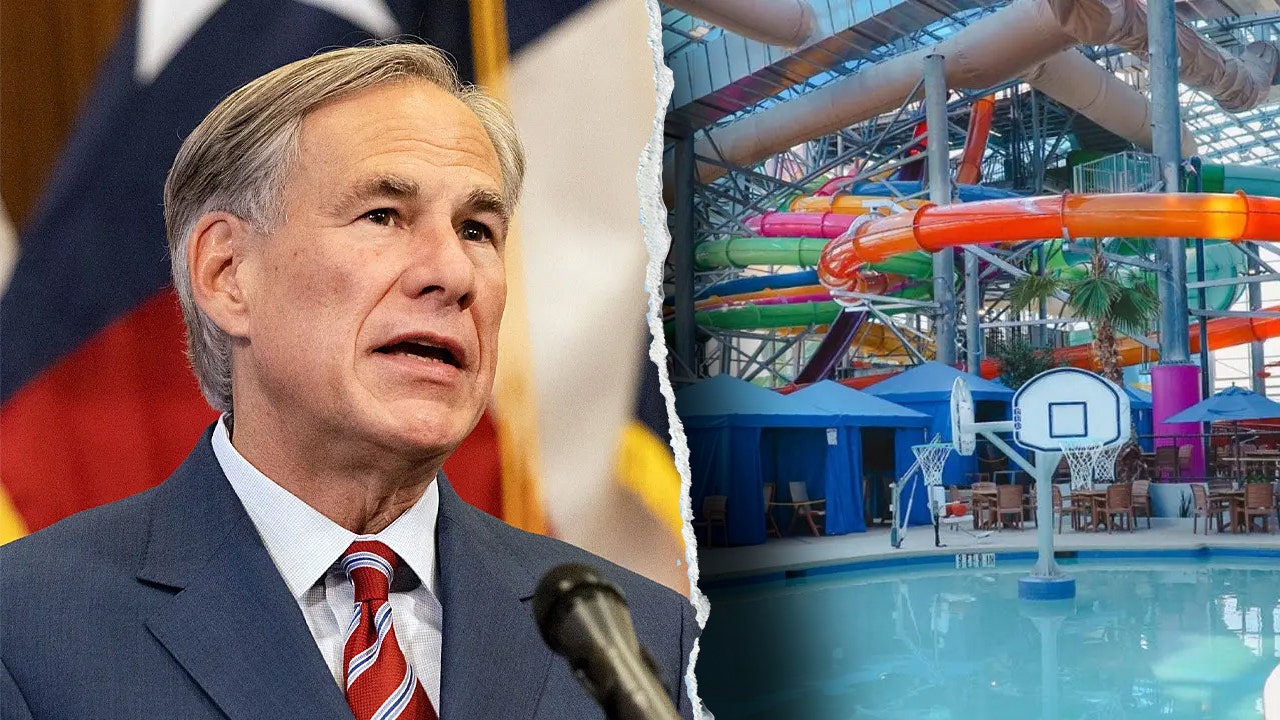
A local Islamic group rented Epic Waters Indoor Waterpark in Grand Prairie, Texas, for an annual Dallas–Fort Worth "Epic Eid" celebration scheduled for June 1. An initial flyer described the gathering as a "Muslim-only event" with a modest dress code, halal food, and a private prayer area; the organizer said the goal was to provide a modest, family-friendly recreational setting for those who value modest dress. After public backlash, the event materials were changed to say "All are welcome" and "Modest dress only." Texas Governor Greg Abbott called the original policy unconstitutional and said the city must cancel the event or forfeit about $530,000 in state public safety grant funding, citing a law he signed (HB 4211) banning "no-go zones" and asserting taxpayer-funded facilities should be open to all. Abbott sent a letter to the Grand Prairie mayor noting active state grants to the city and requesting compliance. Fox News reported the changes and quoted city and organizer statements; the city and water park were contacted for comment.
Biblical Reflection
This story sits at the intersection of religious expression, public accommodations, and political power. Two legitimate concerns are in tension: the right of religious communities to gather and modestly regulate a privately rented space, and the obligation of publicly funded facilities to provide equal access and not discriminate against taxpayers. The governor’s move to threaten grant withdrawal reflects a posture of enforcing nondiscrimination in taxpayer-funded spaces, but it also raises questions about using fiscal leverage to resolve disputes involving religious practice. Media framing and political rhetoric can amplify fear and cast either side as unreasonable without clarifying legal distinctions (private rental vs. public hours, voluntary modesty rules vs. exclusion based on faith). From a Christian perspective, central biblical themes include hospitality, justice, and respect for governing authorities. Christians are called to welcome the stranger and love our neighbor (which inclines toward inclusive public life), while also respecting conscience and the community’s desire for worshipful or modest spaces. Beware of quick polarizing judgments: public policy and pastoral care both matter. The faithful response is to pursue truth and justice—advocating for fair access to public resources while protecting space for sincere religious practices when law and contracts allow—doing so with humility rather than partisan triumphalism.
Scripture in context
This outlook does not yet include contextual Scripture citations. Do not treat a general biblical theme as an exegetical conclusion.
Faithful Response
No prescribed response is offered. Consider the reflection prompts below in your own church context.
Reflection and Discussion
- 1Does framing this as a simple matter of 'religious freedom vs. discrimination' obscure practical legal distinctions about private rentals of public facilities and the use of fiscal power by government?
- 2How might media headlines and political threats shape public perception of a religious minority’s intentions, and what assumptions about Islam or public space are being activated?
- 3What principles should Christians hold together when public resources, civil authorities, and religious practices collide (e.g., hospitality, justice, lawful governance, and protection of conscience)?
Sources
Reporting links are evidence inputs; Sanctuary News' biblical reflection is commentary.
This outlook currently relies on fewer than two linked sources. Broaden verification before teaching from it.
- 1.Original reportprimary