News Summary
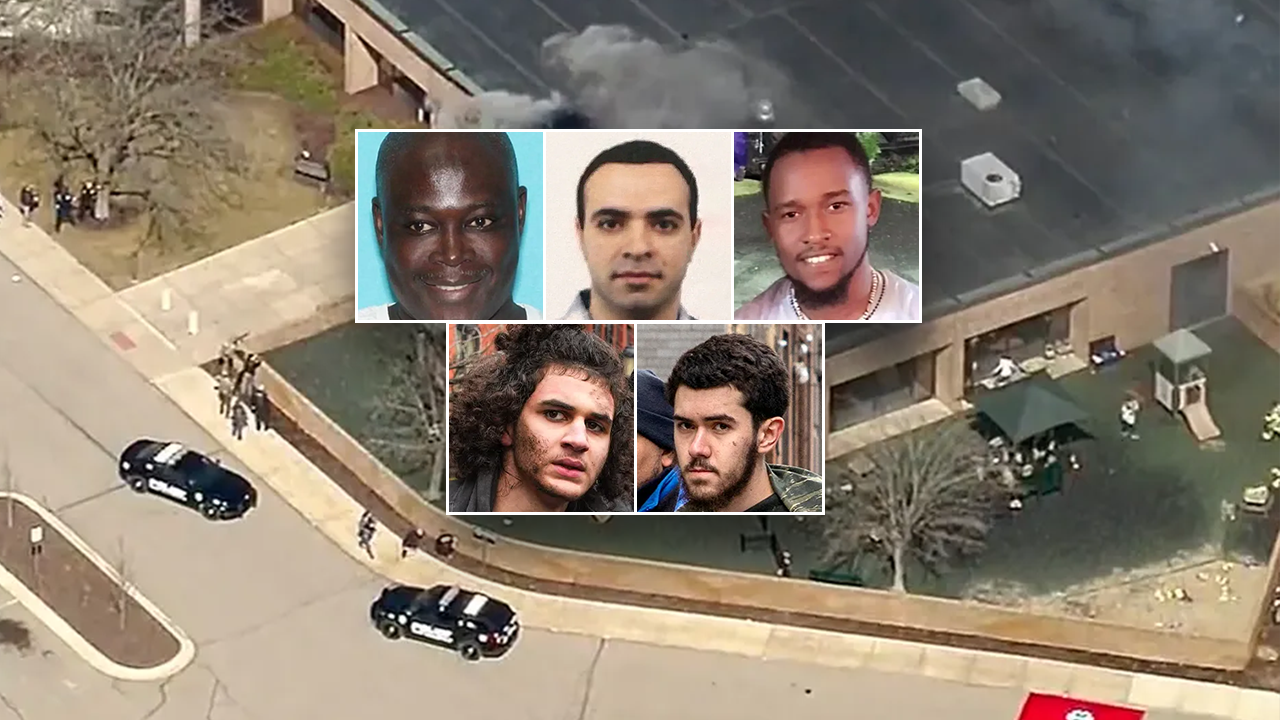
House Majority Whip Rep. Tom Emmer (R‑Minn.) is pressing for passage of the Stop Citizenship Abuse and Misrepresentation (SCAM) Act, arguing recent violent incidents involving naturalized U.S. citizens reveal weaknesses in immigration and naturalization law. First introduced by Emmer in January with a Senate companion from Sen. Eric Schmitt, the bill would permit prosecutors to use crimes committed after naturalization as evidence that the applicant misrepresented "good moral character" at the time of naturalization, effectively enabling denaturalization and removal. Emmer said nearly 50 House members cosponsor the bill and predicted it could win bipartisan support. He characterized convicted terrorists as "America‑hating" and said they should be denaturalized and expelled. The article cites several recent attacks allegedly committed by naturalized citizens (including Ndiaga Diagne in Austin; Emir Balat and Ibrahim Kayumi in New York; Ayman Mohamad Ghazali at a Michigan synagogue; and Mohamed Bailor Jalloh at Old Dominion University) as motivating examples. Community leaders, including Abdikadir Bashir in Emmer’s district, warn the proposal risks politicizing citizenship and targeting immigrant communities. The bill currently sits in the House Judiciary Committee.
Biblical Reflection
From a biblical perspective, the story raises two legitimate and competing moral claims: the duty to protect innocent life and the duty to welcome and protect the immigrant and stranger. Scripture repeatedly calls rulers and communities to pursue justice and to protect the vulnerable (e.g., Romans 13:3–4; Psalm 82). At the same time the Bible strongly affirms care for foreigners and the requirement not to oppress them (Leviticus 19:33–34; Deuteronomy 10:18–19).
The proposed legislation seeks accountability for violent wrongdoing; Christians should not minimize the need to secure public safety or to bring perpetrators of terror to justice. At the same time, rhetoric that dehumanizes whole groups or treats citizenship as conditionally revocable by political whim risks violating biblical norms of mercy, impartiality, and the protection of the marginalized (James 2:1–9). Jesus’ call to love our neighbor (Mark 12:31) and the prophetic requirement to act justly and walk humbly (Micah 6:8) together demand that policies aimed at security also preserve due process, avoid collective punishment, and resist scapegoating of entire immigrant communities.
Practically, Christians and church leaders should pray for victims and pursue measures that prevent violence, while advocating for laws and enforcement that uphold fair procedure and do not enable political expedience to override justice. The church’s role is dual: to lament and seek justice for those harmed, and to stand with strangers who may be unjustly suspected or targeted. Policymakers require moral discernment; citizens require compassion and vigilance—not fear that corrodes neighbor‑love.
Scripture in context
This outlook does not yet include contextual Scripture citations. Do not treat a general biblical theme as an exegetical conclusion.
Faithful Response
No prescribed response is offered. Consider the reflection prompts below in your own church context.
Reflection and Discussion
- 1How can I balance a desire for public safety with Jesus’ call to welcome and protect strangers?
- 2Where in my own speech or community life might fear or political rhetoric be leading to scapegoating rather than careful justice?
- 3What concrete acts of compassion and advocacy can my church take to support victims of violence while also protecting immigrant neighbors from unjust treatment?
Sources
Reporting links are evidence inputs; Sanctuary News' biblical reflection is commentary.
This outlook currently relies on fewer than two linked sources. Broaden verification before teaching from it.
- 1.Original reportprimary