News Summary
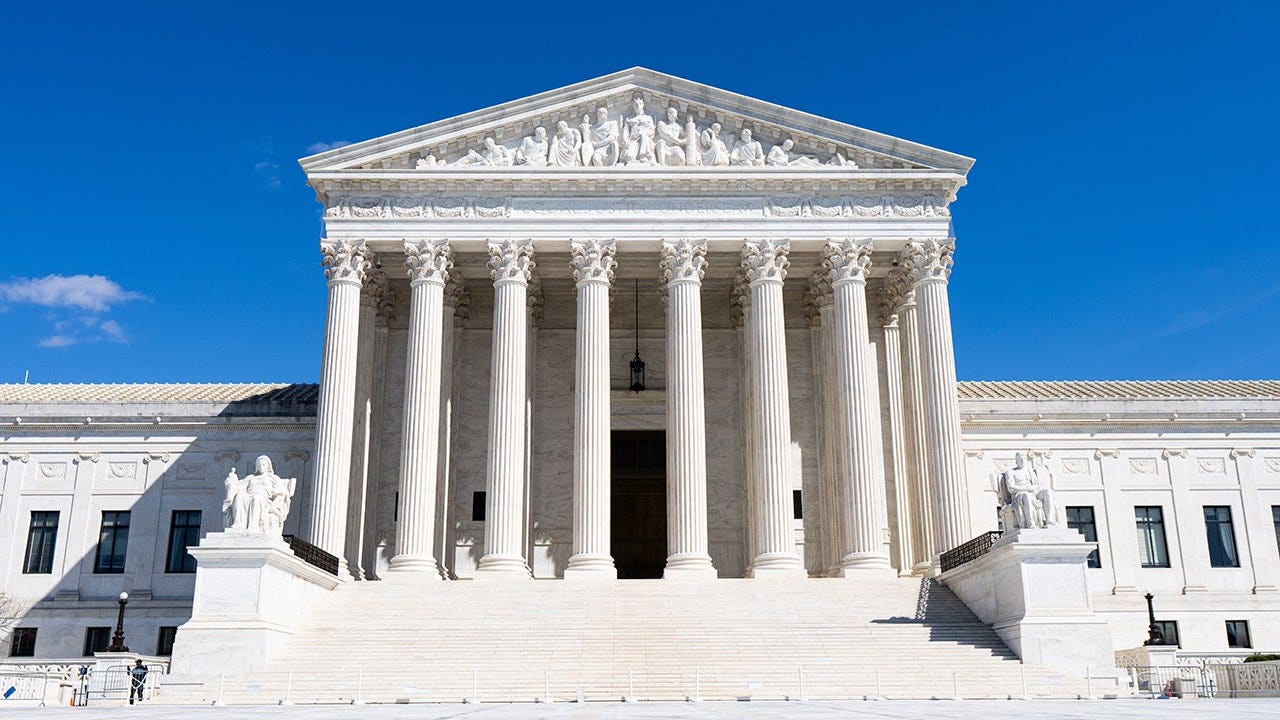
In February 2020 Richard Hershey was distributing Christian pamphlets on a public sidewalk outside the Bossier City Arena in Louisiana when police officers and security told him to stop and leave; Hershey left and did not return. He later sued five police and security officers, alleging they violated his First Amendment free speech and free exercise rights. A federal district court granted the officers qualified immunity, and the Fifth Circuit affirmed that decision on appeal. First Liberty Institute and the law firm Clement & Murphy filed a petition asking the U.S. Supreme Court to review the Fifth Circuit’s decision, arguing the case involves an obvious constitutional violation and a circuit split over whether qualified immunity can shield officials in such circumstances. Representatives Nathaniel Moran (R-Texas) and Glenn Grothman (R-Wis.) filed an amicus brief supporting Supreme Court review, urging the justices to clarify whether government officials may claim qualified immunity for clear First Amendment violations. The parties dispute whether there was any written policy restricting leafletting on the sidewalks and whether the officers’ actions were legally justified; the lower courts ruled in favor of immunity for the officers. The case is framed as addressing both free speech/free exercise protections for public religious expression and the scope of qualified immunity for government officials.
Biblical Reflection
From a Christian pastoral perspective, this story raises two morally important commitments: the protection of conscience and religious speech, and the pursuit of accountability and justice under the law. Christians who evangelize in public have a legitimate interest in legal protections for peaceful speech and worship; at the same time, civic order and the legitimate duties of police must be respected. The article primarily presents the perspective of those seeking broader First Amendment protections and accountability for officers, and it is published by an outlet that often emphasizes religious-liberty claims—readers should note that framing. Legally, qualified immunity exists to protect officials acting in uncertain legal contexts, but it has also been criticized for blocking remedies when rights are clearly violated. Spiritually, the Christian response should hold both truth and humility: defend the right to proclaim the gospel without demanding special privilege, pursue remedies when rights are clearly infringed, and pray for institutions to act justly and for believers to witness with charity. Christians should watch how this case could shape the balance between robust religious liberty and mechanisms for holding public servants accountable.
Scripture in context
This outlook does not yet include contextual Scripture citations. Do not treat a general biblical theme as an exegetical conclusion.
Faithful Response
No prescribed response is offered. Consider the reflection prompts below in your own church context.
Reflection and Discussion
- 1Does the way this case is framed prioritize protecting a particular religious practice over a neutral application of public-safety or public-order rules?
- 2How would a broader or narrower ruling on qualified immunity change who can seek redress when officials restrict peaceful religious expression?
- 3Are we holding to Christian convictions while also showing respect for lawful authority and the common good?
Sources
Reporting links are evidence inputs; Sanctuary News' biblical reflection is commentary.
This outlook currently relies on fewer than two linked sources. Broaden verification before teaching from it.
- 1.Original reportprimary