News Summary
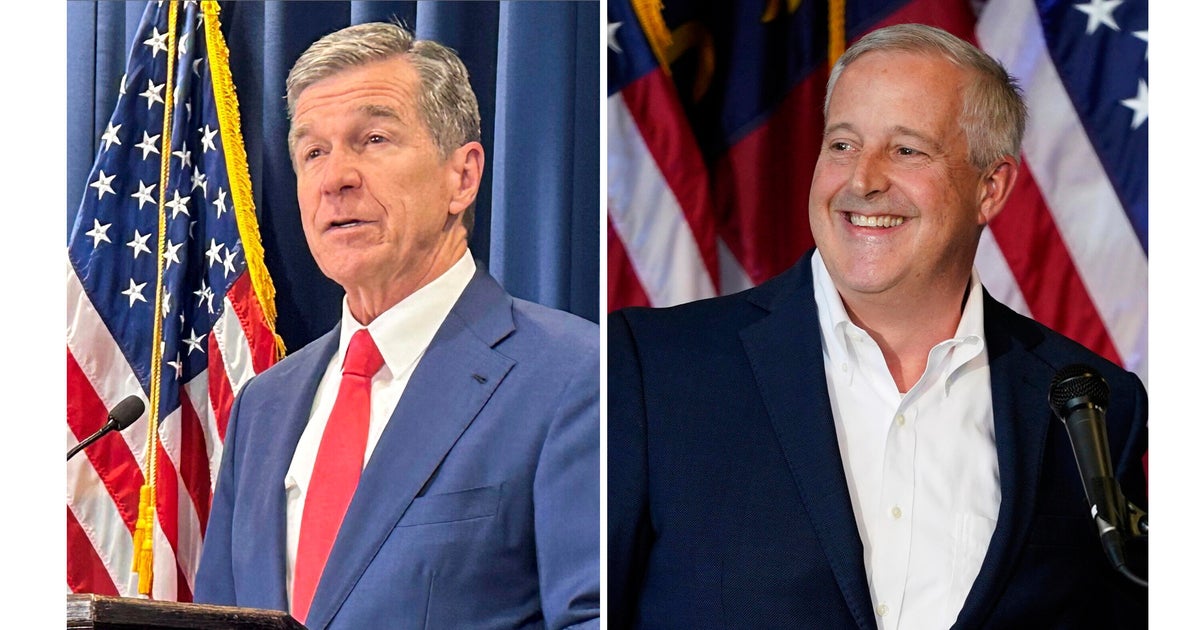
Conservative Latino grassroots groups, led by the LIBRE Initiative Action, are mobilizing to support Republican Senate candidates in key 2026 midterm races—specifically endorsing Sen. Jon Husted in Ohio and former RNC chair Michael Whatley in North Carolina. These efforts aim to shore up Latino support the GOP gained in 2024 amid signs some of that support may be slipping. LIBRE plans voter education, community engagement, and one-on-one outreach that emphasizes economic concerns—jobs, inflation, energy costs, and regulatory burdens—as priorities for Latino voters. Both Ohio and North Carolina have rapidly growing Latino populations that could tip close contests: North Carolina has over 1.1 million Latinos and Ohio nearly 600,000. Democrats view North Carolina and Ohio as competitive pickups and are also organizing Latino turnout through groups like Voto Latino, which criticizes the current administration’s economic and foreign-policy choices. The races are framed as potentially decisive for Senate control during President Trump’s final two years in office, and both parties are actively courting Latino voters with competing messages about economic stewardship, safety, and community priorities.
Biblical Reflection
From a biblical perspective, this story raises questions about motive, stewardship, and the call to love our neighbor in civic life. Scripture does not forbid political engagement; it expects believers to seek the common good, speak truth, and protect the vulnerable (Jeremiah 29:7; Micah 6:8). The outreach described—personal, relational conversation and attention to bread-and-butter concerns—can reflect Christlike neighborliness when it seeks to inform, empower, and address genuine needs. However, the same tactics can become morally compromised if used primarily for manipulation, fearmongering, or the enrichment of a few. The Bible warns against exploiting people’s needs for gain (Proverbs 22:16; Isaiah 10:1–2) and calls leaders to just and humble service rather than self-promotion (Mark 10:42–45). Christians should therefore evaluate political appeals by their fruits: do policies and promises protect the poor, promote justice, and enable flourishing—or do they entrench power at the expense of the vulnerable? Believers are called to engage with discernment (Philippians 1:9–10), to prioritize truth over tribal loyalty, and to hold all leaders accountable to principles of justice, mercy, and humility (Micah 6:8). Practically, that means listening to neighbors’ real needs, advocating for policies that reduce burdens on families, resisting rhetoric that dehumanizes groups, and refusing to let partisan identity override Christian witness.
Scripture in context
This outlook does not yet include contextual Scripture citations. Do not treat a general biblical theme as an exegetical conclusion.
Faithful Response
No prescribed response is offered. Consider the reflection prompts below in your own church context.
Reflection and Discussion
- 1When I hear political messaging aimed at my community, how can I discern whether it seeks our flourishing or merely our votes?
- 2How does my faith shape the priorities I ask candidates to pursue—economy, justice, care for the vulnerable, or something else?
- 3In what concrete ways can I practice humility and neighbor-love in political conversations with people who disagree with me?
Sources
Reporting links are evidence inputs; Sanctuary News' biblical reflection is commentary.
This outlook currently relies on fewer than two linked sources. Broaden verification before teaching from it.
- 1.Original reportprimary