News Summary
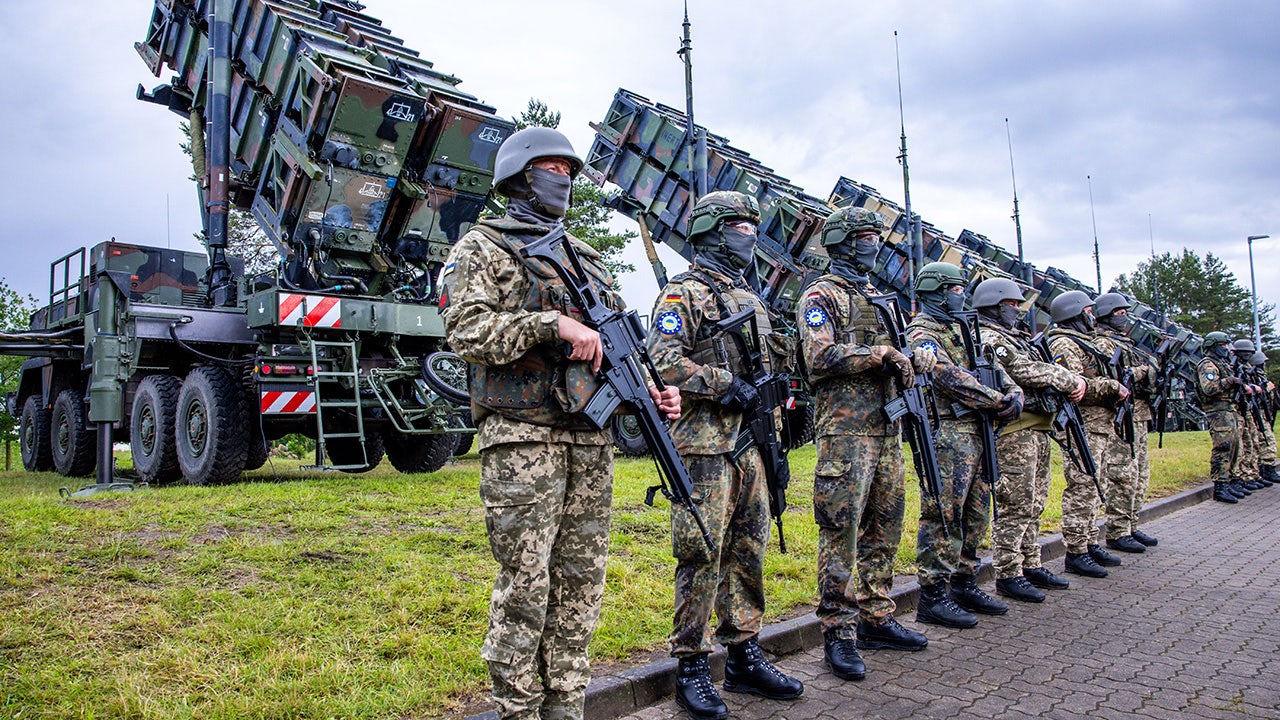
Germany's ambassador to the U.S., Jens Hanefeld, told Fox News Digital that Berlin intends to increase defense spending to 5% of GDP well before 2035 and to recruit nearly 100,000 new active-duty personnel for the Bundeswehr. Chancellor Friedrich Merz has set a political goal for Germany to become the strongest conventional army in Europe, a shift framed as a long-term response to Russia's 2022 invasion of Ukraine and Europe’s changed strategic environment. Germany has signed more than 380 contracts worth over $33 billion with U.S. defense firms for aircraft, helicopters, air defense, and ammunition. The government plans a permanent brigade in Lithuania of about 5,000 personnel intended to strengthen NATO’s eastern flank. The article notes historical German restraint since World War II and situates the current turnaround within NATO’s 2025 commitment for allies to reach 5% of GDP in defense and related spending by 2035. It also reports recent diplomatic friction between Merz and U.S. President Donald Trump over comments about Iran and U.S. policy; U.S. officials have debated or delayed rotational deployments of long-range strike systems to Germany. A retired U.S. defense official interviewed warned that political tensions could complicate deterrence decisions, while German officials emphasize continued close U.S.–Germany cooperation and Germany’s intention to assume a greater European defense burden.
Biblical Reflection
The article reports a substantial shift in Germany's military posture, framed as collective defense and deterrence in response to Russian aggression. The underlying intentions—protecting allies, deterring further aggression, and reducing overreliance on any single partner—are defensible from a responsibility standpoint. At the same time, the coverage mixes policy reporting with political theater (personal criticisms between leaders, U.S. expert alarm), which can amplify partisan frames and risk conflating domestic political disputes with strategic choices. From a Christian perspective, seeking security for the vulnerable (e.g., Ukraine and NATO neighbors) is an expression of neighbor-love and justice, but it must be pursued with humility, truthfulness, and careful stewardship. Military buildup can be a necessary deterrent, yet it also carries risks: escalating arms competition, diverting resources from diplomacy and humanitarian needs, and fostering national pride that obscures moral caution. Readers should note the article's emphasis on strength and deterrence (a realist security worldview) and ask whether the balance between hard power and peacemaking, transparency with citizens about costs, and commitments to protect noncombatants is being maintained. Christian wisdom calls for protecting the innocent while pursuing the long-term work of reconciliation and peace whenever possible.
Scripture in context
This outlook does not yet include contextual Scripture citations. Do not treat a general biblical theme as an exegetical conclusion.
Faithful Response
No prescribed response is offered. Consider the reflection prompts below in your own church context.
Reflection and Discussion
- 1Is the emphasis on military strength balanced with equal commitments to diplomacy, humanitarian aid, and long-term reconciliation?
- 2How might partisan rhetoric between leaders of allied countries affect trust, cooperation, and the practical choices that determine security?
- 3Whose security and well-being are prioritized in these defense plans—domestic constituencies, neighboring states, or broader regional stability?
Sources
Reporting links are evidence inputs; Sanctuary News' biblical reflection is commentary.
This outlook currently relies on fewer than two linked sources. Broaden verification before teaching from it.
- 1.Original reportprimary