News Summary
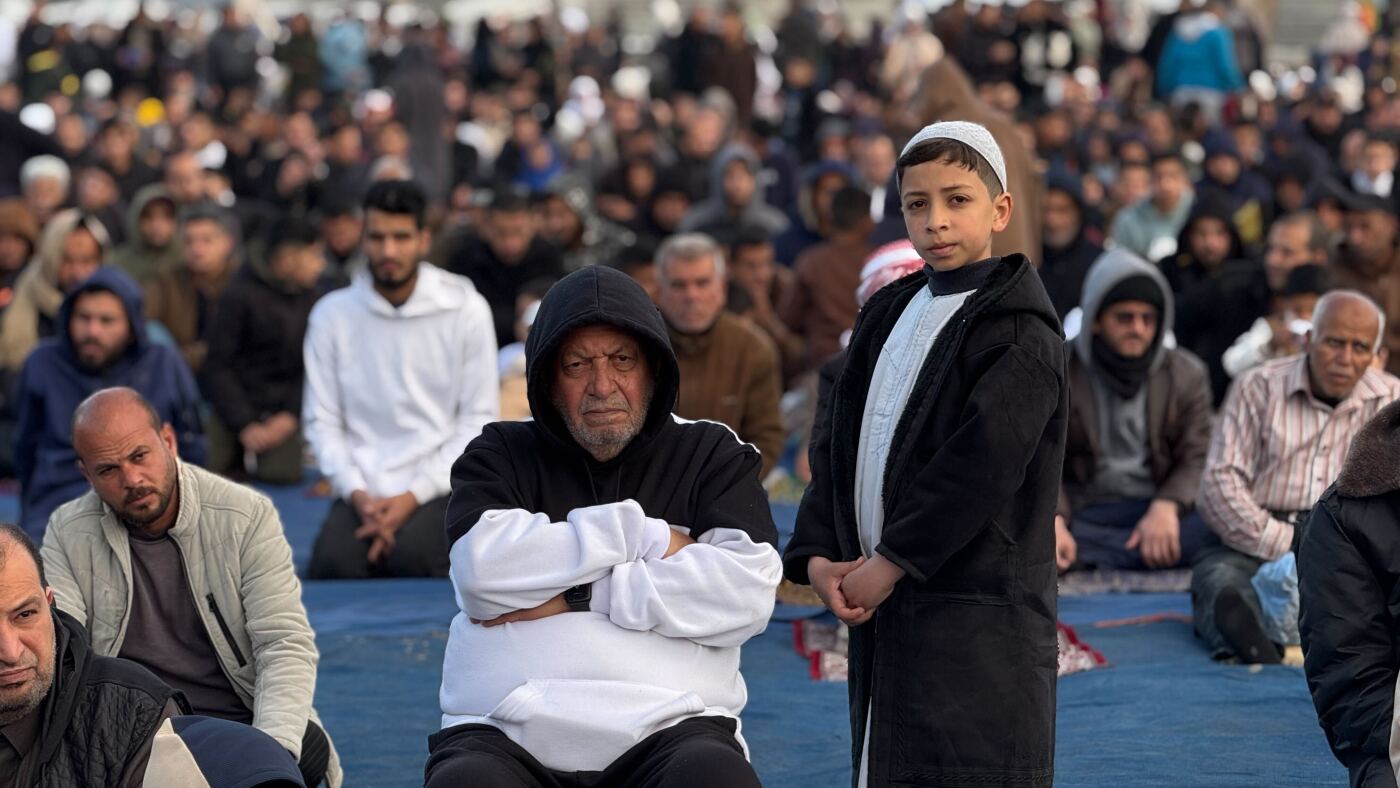
After two years during which Israeli airstrikes made public gatherings impossible, a fragile six-month ceasefire has allowed Palestinians in Gaza to gather publicly for Eid al-Fitr prayers. People prayed and listened to sermons outdoors, often near destroyed mosques and damaged buildings. Hamas police helped secure streets; children wore new clothes and people took photos, offering small moments of joy amid ongoing hardship. Much of Gaza’s population remains displaced, living in makeshift tents and heavily reliant on aid. Israel is permitting aid through a single partially open crossing, with roughly 200 trucks entering daily — far below the 600 trucks per day U.N. agencies say are needed to support Gaza’s roughly 2 million people.
Biblical Reflection
This story presents a tension common in scripture: the persistence of worship and communal joy amid suffering, and the moral demand to care for the vulnerable. The images of people praying amid rubble echo the biblical witness that worship continues under hardship (see the Psalms’ laments and songs of trust). Yet the article also raises ethical questions that Scripture presses on every people of faith: Are we acting justly toward the poor and displaced? (Micah 6:8). Restricting humanitarian relief in ways that leave families and children without basic supplies runs counter to Jesus’ repeated insistence to feed the hungry and tend the needy (Matthew 25). Christians should lament the suffering, rejoice at signs of restored community life, and be careful not to allow political narratives to harden hearts. We must resist dehumanizing rhetoric about any group and instead advocate for immediate relief, protection of civilians, and durable peace. Practically, the biblical response includes prayer for peace (Psalm 122:6; Matthew 5:9), neighborly compassion (Luke 10:25–37), and active solidarity — supporting organizations delivering aid, calling leaders to protect civilians, and encouraging reconciliation efforts where possible. The presence of worship and celebration does not remove the obligation to press for justice and mercy; instead, it should move believers to greater compassion and advocacy on behalf of those suffering.
Scripture in context
This outlook does not yet include contextual Scripture citations. Do not treat a general biblical theme as an exegetical conclusion.
Faithful Response
No prescribed response is offered. Consider the reflection prompts below in your own church context.
Reflection and Discussion
- 1How does seeing people worship and celebrate amid destruction shape my prayers and actions for those who suffer?
- 2In what practical ways can I, my church, or community support humane aid and protection for civilians in conflict zones?
- 3Do I allow political loyalties to harden my compassion for people on either side of a conflict, and how can I repent of that hardness?
Sources
Reporting links are evidence inputs; Sanctuary News' biblical reflection is commentary.
This outlook currently relies on fewer than two linked sources. Broaden verification before teaching from it.
- 1.Original reportprimary