News Summary
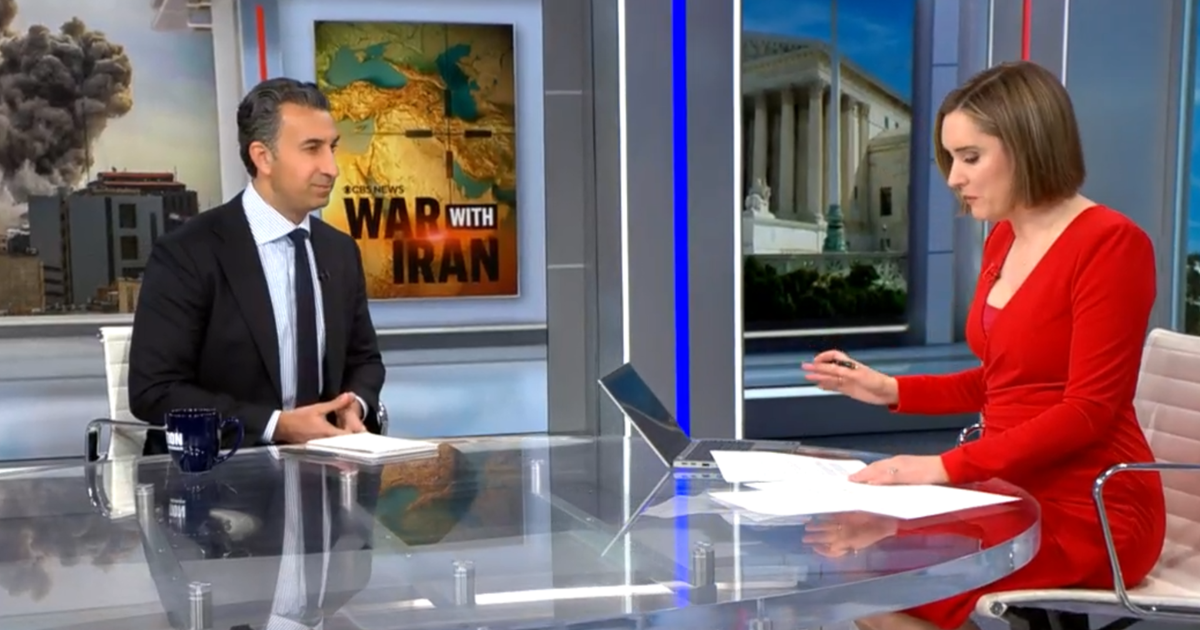
This is a full transcript of CBS News' Face the Nation broadcast on March 29, 2026. Key items discussed: the partial shutdown of the Department of Homeland Security entering its 44th day, with at least 500 TSA officers reported to have quit and continued sick-outs; President Trump ordered use of other emergency funds to pay TSA workers and directed ICE to support airport security; Congress is out of session until mid-April after a bipartisan Senate funding bill passed but failed to secure support in the House. White House border czar Tom Homan defended ICE practices, said some policy and execution changes (body cameras, sensitive-location approaches) are underway, and disputed claims that ICE is operating improperly in schools, hospitals, or churches. Representative Jim Himes (D-CT) argued Democrats are seeking to constrain ICE after deadly incidents and criticized the president’s redirection of funds to pay TSA as undermining Congress’s power of the purse. Former U.S. Surgeon General Jerome Adams warned of a growing measles outbreak (reported >1,500 cases since January), declining vaccination rates in several states, reduced public-health staffing, and rising mistrust; he questioned the qualifications and equivocal statements of surgeon general nominee Casey Means and raised concerns about the public-health impacts of social media on youth. Iran-related coverage noted the war entering a second month, rising oil and gasoline prices, mediators meeting in Islamabad, Iranian proxy actions (including Houthi attacks), U.S. military preparations to secure shipping lanes such as the Strait of Hormuz, and debate among analysts about whether Iran will negotiate or be compelled to make concessions. Other segments included routine program announcements and mention of NASA’s Artemis II mission.
Biblical Reflection
From a Christian lens, this broadcast surfaces several tensions Christian discernment should address: the legitimate need for public safety and the responsible use of force, the call for accountable governance and rule of law, and the obligation to care for public health and vulnerable people. The program presents competing political narratives—administration officials emphasizing security and operational exigency, and Democrats emphasizing legal limits, oversight, and the human cost of enforcement—so Christians should be cautious about accepting partisan framing as full truth. Beware two common distortions: (1) security framed as an absolute that can justify bypassing normal legislative processes (including executive redirection of funds), and (2) political rhetoric that dehumanizes migrants or treats public-health measures as mere ideology. Scripture calls believers to pursue justice and protection for the innocent while also showing mercy to the stranger (e.g., Leviticus 19:33–34; Matthew 25). Public-health issues (measles, vaccination, trust) highlight the biblical responsibility to care for neighbors and protect the weak; undermining trust in institutions without offering reliable information worsens communal harm. On international conflict, the repeated emphasis on military options and humiliation of adversaries invites Christian caution: peacemaking and prudent restraint deserve weight alongside legitimate defense. Evaluate claims about ‘‘negotiations’’ or ‘‘obliteration’’ by their evidence and effect—does the language aim to inform, to rally fear, or to obscure? Practically, Christians should prize truth-telling, advocate for humane policies that protect both community security and human dignity, and resist simplistic binaries that make enemies of neighbors.
Scripture in context
This outlook does not yet include contextual Scripture citations. Do not treat a general biblical theme as an exegetical conclusion.
Faithful Response
No prescribed response is offered. Consider the reflection prompts below in your own church context.
Reflection and Discussion
- 1What unstated assumptions about security, authority, and human worth shape the different actors' claims in this broadcast, and how would Micah 6:8 call us to test those assumptions?
- 2When leaders assert emergency measures (reallocating funds, expanded enforcement, military options), what evidence should we require before accepting that normal democratic processes may be bypassed?
- 3How does the erosion of trust in public institutions (health agencies, media, government) change the moral responsibilities of Christians toward public truth, neighbor care, and peacemaking?
Sources
Reporting links are evidence inputs; Sanctuary News' biblical reflection is commentary.
This outlook currently relies on fewer than two linked sources. Broaden verification before teaching from it.
- 1.Original reportprimary