News Summary
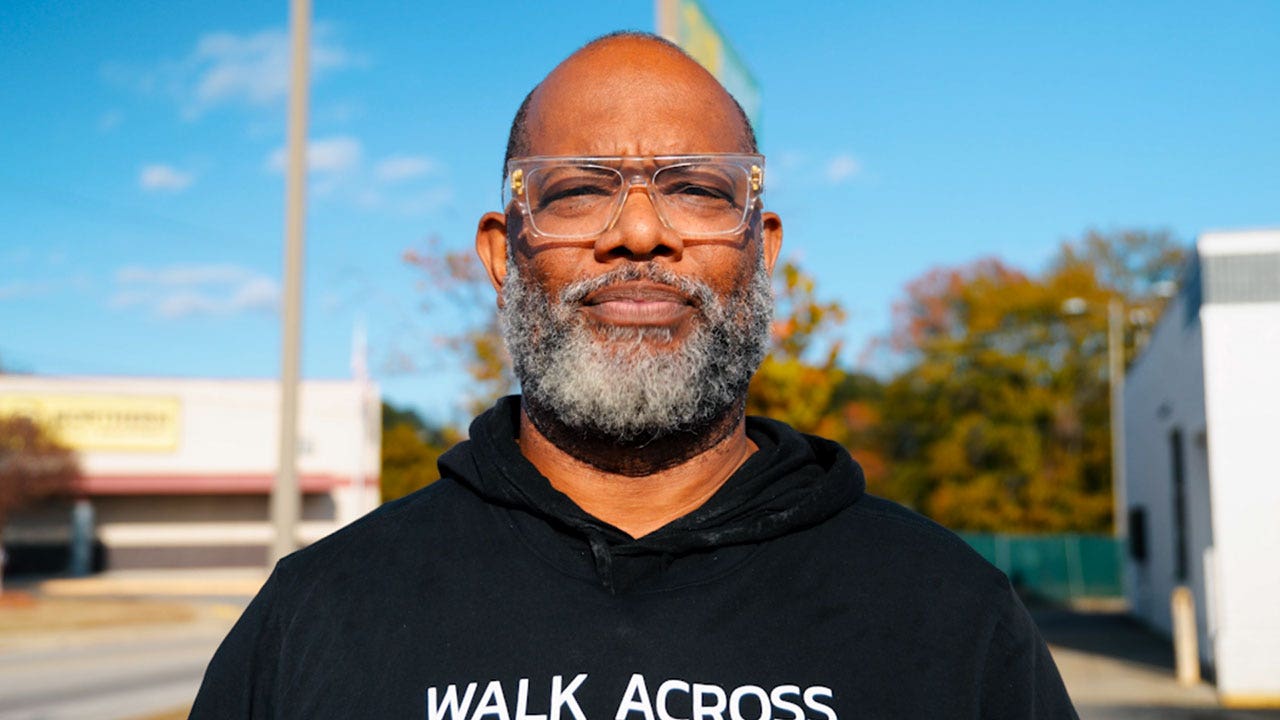
Pastor Corey Brooks, founder of New Beginnings Church of Chicago and CEO of Project H.O.O.D., recounts observations from a walk across America with particular attention to Nashville and Chicago’s South Side. He argues that Nashville—despite many visible churches and a Christian musical heritage—is at a moral crossroads where modern cultural influences, especially changes in popular music and social norms, have produced moral confusion and emptiness. Brooks highlights the rise of fatherlessness across racial and geographic lines and describes its social consequences on the South Side of Chicago: lack of stable male role models, filling of voids by gangs and violent culture, and the spread of hookup culture that he links to unwanted pregnancies and family breakdown. He recounts meeting two young men who grew up fatherless but found Christ and rebuilt their families, and he uses those stories to advocate for community centers and programs (education, jobs, courtship/marriage support, parenting and financial literacy) to rebuild fathers and restore community values. Brooks also expresses concern about ideological content in education and culture he believes undermines parental authority and traditional values. The piece is both an account of pastoral outreach and an opinion call to faith-based, grassroots rebuilding rather than reliance on political parties.
Biblical Reflection
Scripturally the article touches on a genuine pastoral and social concern: children and communities suffer when fathers are absent, and the church is called to care for the fatherless and to teach stewardship, responsibility, and godly living. The Bible repeatedly affirms the importance of godly parenting and the church’s role in caring for vulnerable families (e.g., caring for orphans, training children in the Lord). Pastor Brooks’s emphasis on practical programs—jobs, education, mentoring, marriage preparation—is consistent with a holistic gospel that combines proclamation and tangible care. At the same time, a Christian reading should temper cultural critique with humility and justice. The piece tends to emphasize cultural decline and personal moral failure without fully engaging systemic contributors (poverty, mass incarceration, economic dislocation, inadequate social supports) that also fracture families. Scripture calls the church both to speak truth about sin and to act in mercy and justice (Micah 6:8). That means the faithful response is not only moral exhortation and cultural critique but sacrificial presence: mentorship, advocacy for systemic reforms that protect families, compassionate restoration of those caught in cycles of brokenness, and resisting easy scapegoating. Pastoral witness must hold together conviction and compassion—calling people to repentance and offering tangible pathways to restoration, as Brooks models—but must also name and confront structures that make faithful fathering and stable family life difficult.
Scripture in context
This outlook does not yet include contextual Scripture citations. Do not treat a general biblical theme as an exegetical conclusion.
Faithful Response
No prescribed response is offered. Consider the reflection prompts below in your own church context.
Reflection and Discussion
- 1Where in my church or circle can I support practical efforts (mentoring, job training, parenting classes) that help restore families and father-figures?
- 2Do I balance prophetic truth about moral failure with compassionate service and advocacy for structural change that hurts families?
- 3How can I pray for and practically engage with people affected by fatherlessness without shaming them?
Sources
Reporting links are evidence inputs; Sanctuary News' biblical reflection is commentary.
This outlook currently relies on fewer than two linked sources. Broaden verification before teaching from it.
- 1.Original reportprimary