News Summary
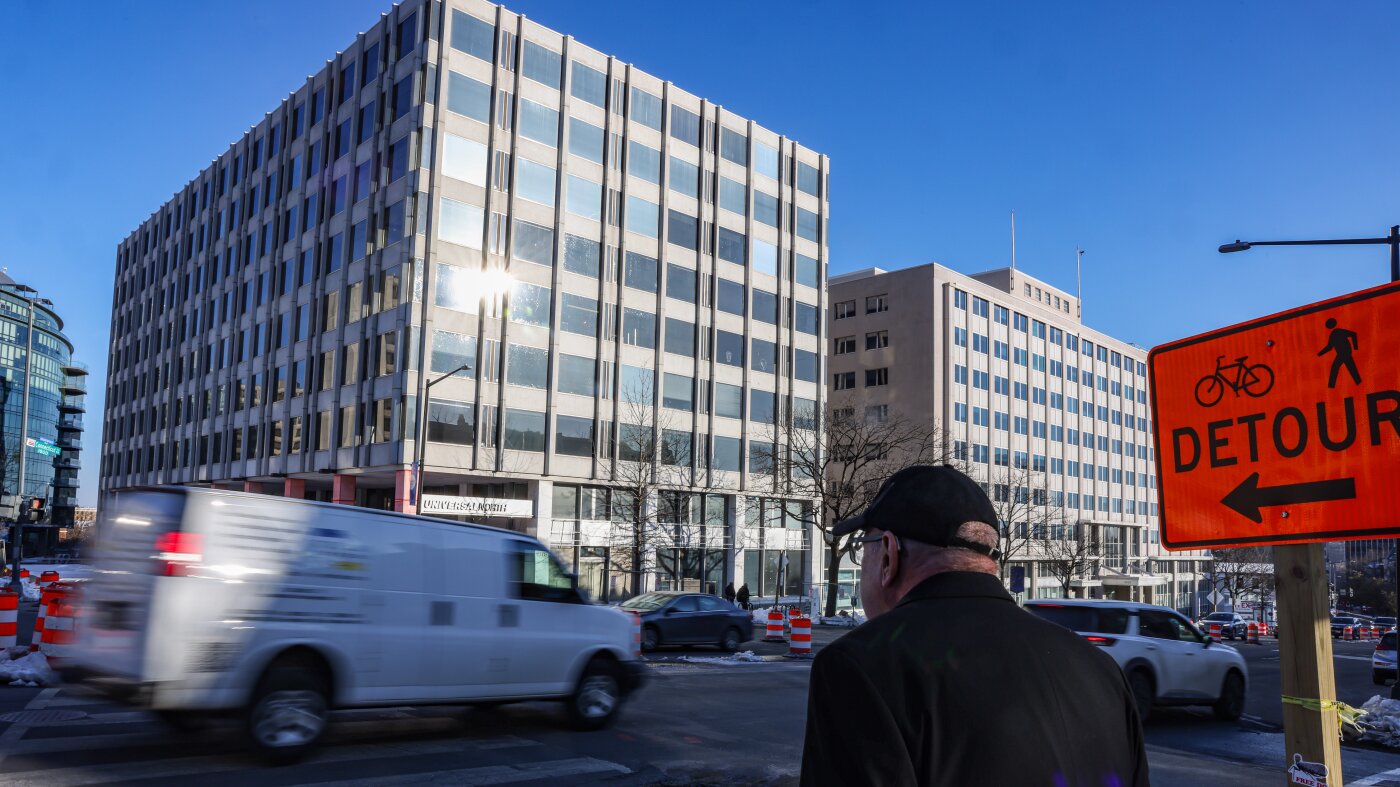
The article discusses a growing trend in U.S. cities: converting vacant office buildings into residential apartments. This shift is driven by high office vacancy rates (around 20% in 2024) due to the rise in remote work, alongside a severe national housing shortage. Developers in Washington, D.C., like Post Brothers and Foulger Pratt, are leading the charge by transforming offices into hundreds of new apartments, some with luxury amenities and a small portion set aside as affordable units. The process is aided by city incentives such as long-term tax abatements. Despite these efforts, experts note that such conversions alone cannot solve the housing crisis, though they help increase supply in desirable, transit-accessible urban areas. The trend reflects broader changes in work culture and the economy, with cities adapting their built environment to new demands.
Biblical Reflection
From a biblical perspective, the adaptive reuse of office buildings into housing demonstrates resourcefulness and stewardship of existing resources (Genesis 2:15). The effort to address both waste (empty offices) and need (housing shortage) aligns with the principle of caring for our communities and seeking the welfare of the city (Jeremiah 29:7). However, the article also highlights the limits of market-driven solutions, as most new units are high-end and only a fraction are affordable. Scripture consistently calls attention to the needs of the poor and marginalized (Proverbs 14:31, Isaiah 58:6-7). While these developments show creativity and adaptation, Christians are reminded to advocate for justice and compassion, ensuring that solutions do not primarily serve the affluent but consider the needs of the vulnerable. The trend exposes both the strengths and shortcomings of relying solely on profit-driven motives to solve societal problems. True biblical stewardship and justice require intentional efforts to provide for all, especially those who are most in need.
Scripture in context
This outlook does not yet include contextual Scripture citations. Do not treat a general biblical theme as an exegetical conclusion.
Faithful Response
No prescribed response is offered. Consider the reflection prompts below in your own church context.
Reflection and Discussion
- 1How can I use the resources God has entrusted to me to serve those in need in my community?
- 2What does true stewardship look like when addressing both economic opportunity and social responsibility?
- 3How might I advocate for or support solutions that prioritize the well-being of the most vulnerable in society?
Sources
Reporting links are evidence inputs; Sanctuary News' biblical reflection is commentary.
This outlook currently relies on fewer than two linked sources. Broaden verification before teaching from it.
- 1.Original reportprimary