News Summary
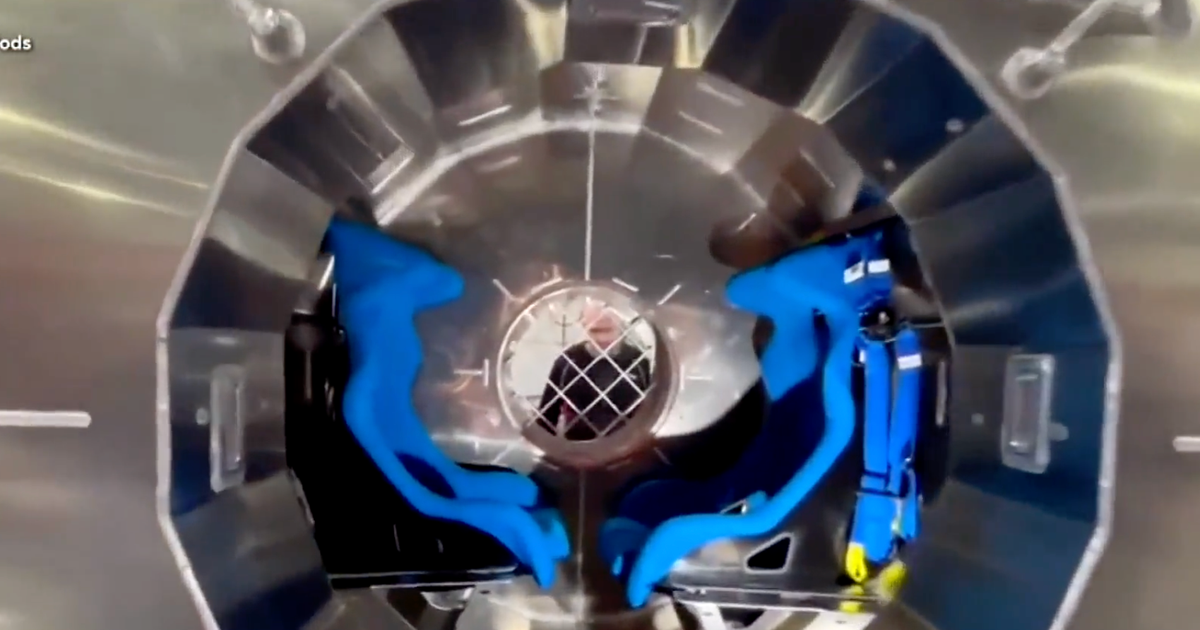
French startup LifePods revealed a prototype survival capsule called the W-01 at a Paris technology conference; the sealed, buoyant pod is designed to hold up to four adults and four children as a short-term refuge during tsunamis and severe flooding. The W-01 includes harnesses, emergency distress broadcast capability, space under seats for supplies, and optional GPS tracking. LifePods says the capsule uses a passive hydrodynamic shape and a double-aluminum shell with foam core to distribute impact forces and protect occupants from floating debris; it is intended as a last-resort, rapidly deployable option that could be installed at scale or delivered by air. The company has not yet conducted real-world testing; planned steps include harbor buoyancy trials, towing tests at sea, and progressively harsher testing. LifePods released an AI-generated video demonstrating the concept, expects commercial availability next year, and anticipates a unit price around $45,000 aimed primarily at government and institutional buyers. The article notes an existing competitor, Survival Capsule LLC of Seattle, which markets a patented spherical pod priced at about $13,500. LifePods is also developing land-based pods for earthquakes, building collapses, and protection against armed attack and explosions.
Biblical Reflection
The effort to design equipment that can save lives in sudden, extreme flooding reflects a compassionate impulse and human ingenuity—both biblical goods when used to protect the vulnerable. At the same time, the product is still a prototype with no real-life testing and is being marketed at a high price point, meaning claims of life-saving effectiveness remain unverified and access will likely be limited. The article mixes straightforward reporting with company-promoted details and an AI-generated demonstration rather than independent field evidence; readers should therefore weigh hope for technological rescue against the need for rigorous testing, regulatory oversight, and equitable distribution. From a Christian pastoral perspective, innovation that seeks to preserve life should proceed with humility, transparent evaluation, and a commitment to serving those most at risk rather than primarily serving wealthier or institutional buyers.
Scripture in context
This outlook does not yet include contextual Scripture citations. Do not treat a general biblical theme as an exegetical conclusion.
Faithful Response
No prescribed response is offered. Consider the reflection prompts below in your own church context.
Reflection and Discussion
- 1Are the company's safety claims supported by independent testing, or do they rest mainly on marketing materials and simulations?
- 2Who will be able to access this technology in a disaster—institutions and wealthier areas, or the most vulnerable communities—and how does that shape our judgment of its value?
- 3Are we placing disproportionate hope in a single technological fix rather than strengthening community preparedness, evacuation systems, and public disaster response?
Sources
Reporting links are evidence inputs; Sanctuary News' biblical reflection is commentary.
This outlook currently relies on fewer than two linked sources. Broaden verification before teaching from it.
- 1.Original reportprimary