News Summary
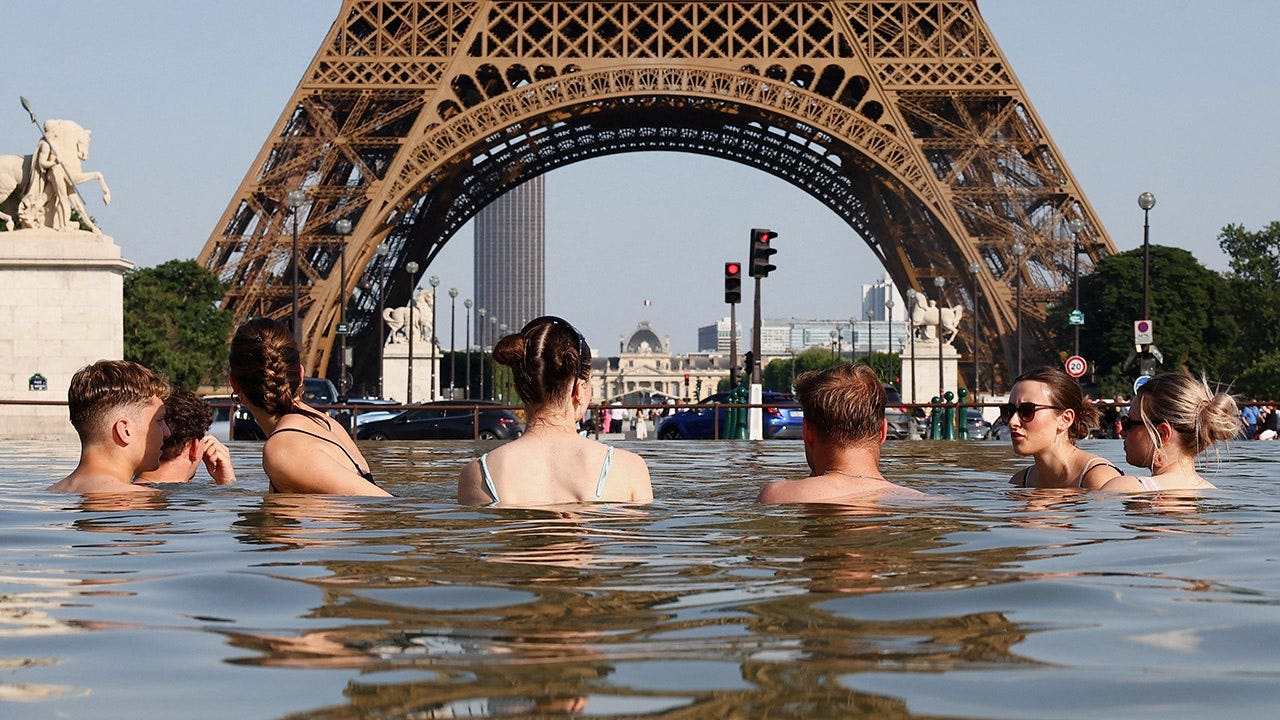
A prolonged heat wave driven by an "Omega block" pushed temperatures above 104°F across parts of France and other areas of Europe. Major Paris attractions shortened hours or closed early — the Louvre announced earlier closing times with refunds for later reservations, and the Eiffel Tower reduced access and closed in the afternoon on at least one day. Schools were closed or dismissed early in many locations; train services were reduced (about one in ten trains canceled in the Paris region) due to infrastructure risks; outdoor sporting events and ceremonies (including London’s Changing of the Guard and some events in Spain and Italy) were canceled or scaled back. At least 48 people in France drowned while attempting to cool off; Spain reported heat-related deaths among elderly people. Authorities advised drinking water, avoiding strenuous activity during peak heat, seeking air-conditioned spaces, and warned against unsupervised swimming and public alcohol consumption in some areas. Reports cited by the article include Reuters, AP, AFP, and Euronews.
Biblical Reflection
The article is primarily a factual account of immediate disruptions and harms caused by an extreme weather event: closures, canceled services, and tragic fatalities. It responsibly highlights public-safety guidance and concrete impacts on everyday life (tourism, schools, transport). What is less emphasized is the longer-term context and who is most vulnerable — for example, the elderly, low-income residents, outdoor workers, and migrants — and what systemic adaptations (public cooling centers, infrastructure resilience, equitable emergency planning) are needed. From a Christian pastoral perspective, this story calls us to truths both sober and active: truth in naming suffering and taking warnings seriously; mercy toward those who are at risk or grieving; humility before forces beyond our control; and courage to advocate for better care and preparedness for the vulnerable. The article’s framing centers on tourist disruptions and landmark hours, which can make the human cost feel secondary; Christians are called to reorder priorities so human dignity and neighbor-care are central in responses to climate-related emergencies.
Scripture in context
This outlook does not yet include contextual Scripture citations. Do not treat a general biblical theme as an exegetical conclusion.
Faithful Response
No prescribed response is offered. Consider the reflection prompts below in your own church context.
Reflection and Discussion
- 1Whose suffering and needs are least visible in this coverage, and how might local churches and communities fill those gaps?
- 2Does the focus on tourist disruptions obscure the deeper public-health, infrastructure, and justice questions raised by recurring extreme weather?
- 3How should Christians weigh short-term relief (cooling centers, water distribution) with long-term stewardship and advocacy for resilient communities?
Sources
Reporting links are evidence inputs; Sanctuary News' biblical reflection is commentary.
This outlook currently relies on fewer than two linked sources. Broaden verification before teaching from it.
- 1.Original reportprimary