News Summary
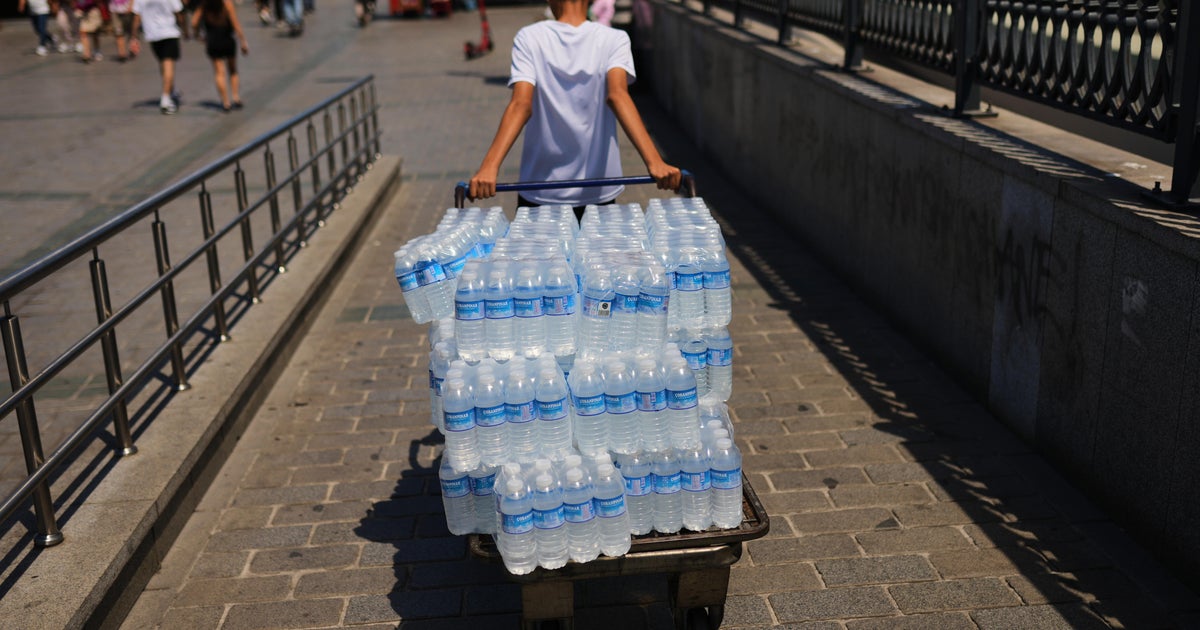
France placed emergency services and military forces on wildfire alert, restricted public alcohol consumption in areas under 'red alert', and canceled or limited some outdoor events as a heat wave moved across parts of Europe. About one-third of France was under a heat red alert with temperatures expected to reach about 104°F, and forecasts predicted even higher temperatures the following day. The government directed organizers of nationwide Music Day events to limit alcohol use to preserve emergency services, ordered reinforced wildfire readiness, tightened surveillance of water supplies to nuclear reactors, closed 845 schools for Monday, and dispatched extra rail staff while some trains were canceled. Prime Minister Sébastien Lecornu convened a heat crisis meeting and instructed ministers to plan adaptations, including using air conditioning if necessary. Across Europe, authorities set up misting stations at public venues in Paris, tourists sought relief in Roman fountains, Spain's Basque Country suspended outdoor sports and cultural activities, Italy expanded heat warnings to several cities, Britain issued extreme heat warnings for southern England and parts of Wales, and Germany reported drownings and missing people in river and lake incidents. The World Health Organization Europe noted more than 200,000 heat-related deaths across Europe over the last four years, and scientific assessments cited human-caused climate change as a contributing factor to recent deadly heat events and projected more record-breaking heat in the coming years.
Biblical Reflection
The article reports immediate public-safety measures aimed at protecting life and infrastructure; those actions reflect a priority on serving and protecting vulnerable people — the elderly, isolated individuals, outdoor workers, and emergency responders. The reporting links the event to broader climate science and official warnings, which is consistent with current scientific assessments that human-driven warming increases extreme-heat risk. Christians should notice two clear callings: first, practical neighbor-love — supporting cooling centers, checking on isolated seniors, and conserving emergency resources — and second, stewardship of creation that asks both personal and communal responsibility for policies and practices that reduce future harm. The piece largely presents factual measures and authorities' statements without deep exploration of long-term policy trade-offs; readers should be wary of simplistic cause-effect claims where complex local factors also matter, but they should not dismiss the consensus that warming makes extremes more likely. Pastoral response calls for mercy, humility before scientific realities, courageous public care for the vulnerable, and prayerful engagement in wise, long-term planning.
Scripture in context
This outlook does not yet include contextual Scripture citations. Do not treat a general biblical theme as an exegetical conclusion.
Faithful Response
No prescribed response is offered. Consider the reflection prompts below in your own church context.
Reflection and Discussion
- 1Who in our communities will suffer most from sustained heat, and are our churches and local networks prepared to meet those needs?
- 2How does this reporting shape our view of responsibility — personal habits, communal adaptation, and public policy — in responding to recurring climate-related risks?
- 3Are emergency measures presented as temporary fixes, and what long-term planning does our civic and church leadership need to support resilience?
Sources
Reporting links are evidence inputs; Sanctuary News' biblical reflection is commentary.
This outlook currently relies on fewer than two linked sources. Broaden verification before teaching from it.
- 1.Original reportprimary