News Summary
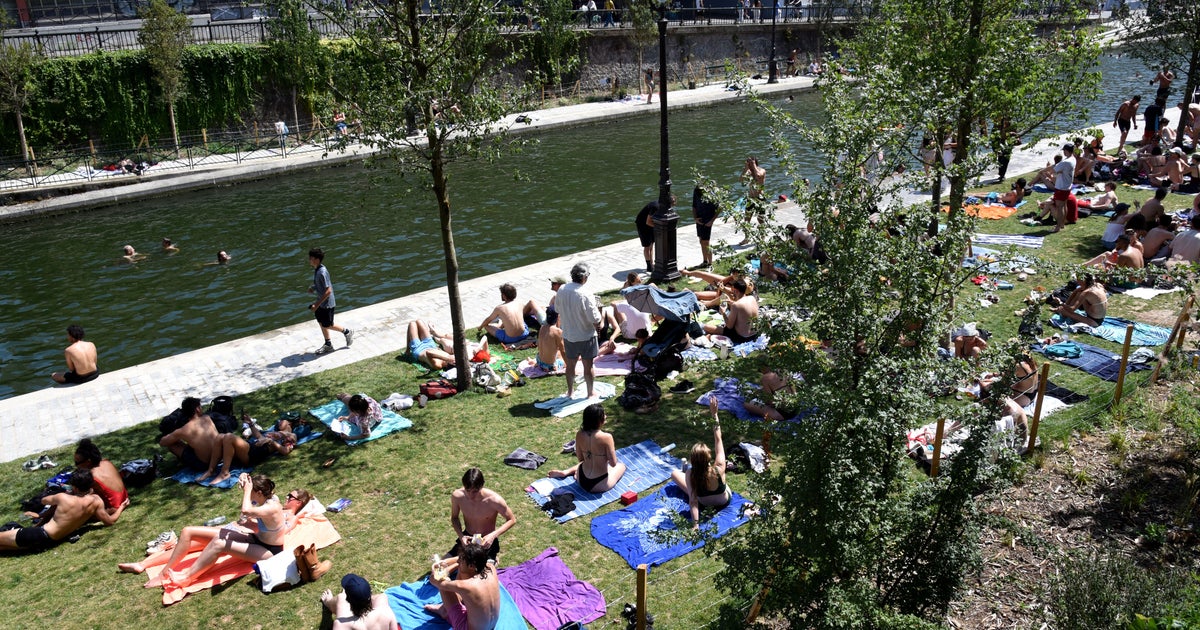
French authorities reported 40 drowning deaths since June 18 as people sought relief from a severe heat wave. Officials said most victims were young and cautioned against swimming in unsupervised areas. France remained particularly hard hit: Meteo France placed about half the country (54 departments) under a red heat alert, recorded its hottest June day and hottest night on record, and warned further records could be broken. Impacts included modified hours at the Eiffel Tower, school and public‑transport disruptions, and widespread concern about heat‑related illness. Other European countries—Spain, Italy and the United Kingdom—also issued red alerts and forecasts of temperatures well above seasonal norms; some rail services in the U.K. were canceled for safety. The article cites national and international agencies (Meteo France, Copernicus, WHO, U.N. climate agency) linking the event to human‑driven climate change, noting Europe is warming faster than the global average and that recent years have set heat records. It references historical context (the deadly 2003 heat wave) and warns of risks for heat exhaustion, heat stroke, wildfires, and increased future heat records.
Biblical Reflection
The report presents verifiable facts about deaths, warnings, and disruptions and responsibly cites scientific and public‑health authorities connecting extreme heat to human‑driven climate trends. From a Christian pastoral perspective the story calls for humility, truthfulness, and neighborly care. Truth: the data and expert warnings merit taking the threat seriously. Mercy: our immediate response should prioritize protecting the vulnerable—young people, the elderly, outdoor workers, and those without cooling. Courage and stewardship: Christians are called both to immediate acts of compassion (rescue, outreach, public‑safety education) and to long‑term stewardship of creation that reduces harm to others. Be wary of simplified framings that assign blame without nuance or that focus only on individual behavior; the article rightly highlights systemic factors (infrastructure without air conditioning, early seasonal timing) as well as individual risks (unsupervised swimming). Practically, the Christian response is to seek justice for those most at risk, to support public‑health measures, and to advocate for policies that protect communities and creation rather than responding in panic or indifference.
Scripture in context
This outlook does not yet include contextual Scripture citations. Do not treat a general biblical theme as an exegetical conclusion.
Faithful Response
No prescribed response is offered. Consider the reflection prompts below in your own church context.
Reflection and Discussion
- 1What assumptions about cause and responsibility does the coverage make—does it emphasize individual choices, systemic infrastructure gaps, or broader climate drivers?
- 2Whose experiences and needs are least visible in this reporting, and how should that shape public and church responses?
- 3Does the framing encourage panic, passive resignation, or concrete action to protect the vulnerable and address root causes?
Sources
Reporting links are evidence inputs; Sanctuary News' biblical reflection is commentary.
This outlook currently relies on fewer than two linked sources. Broaden verification before teaching from it.
- 1.Original reportprimary