News Summary
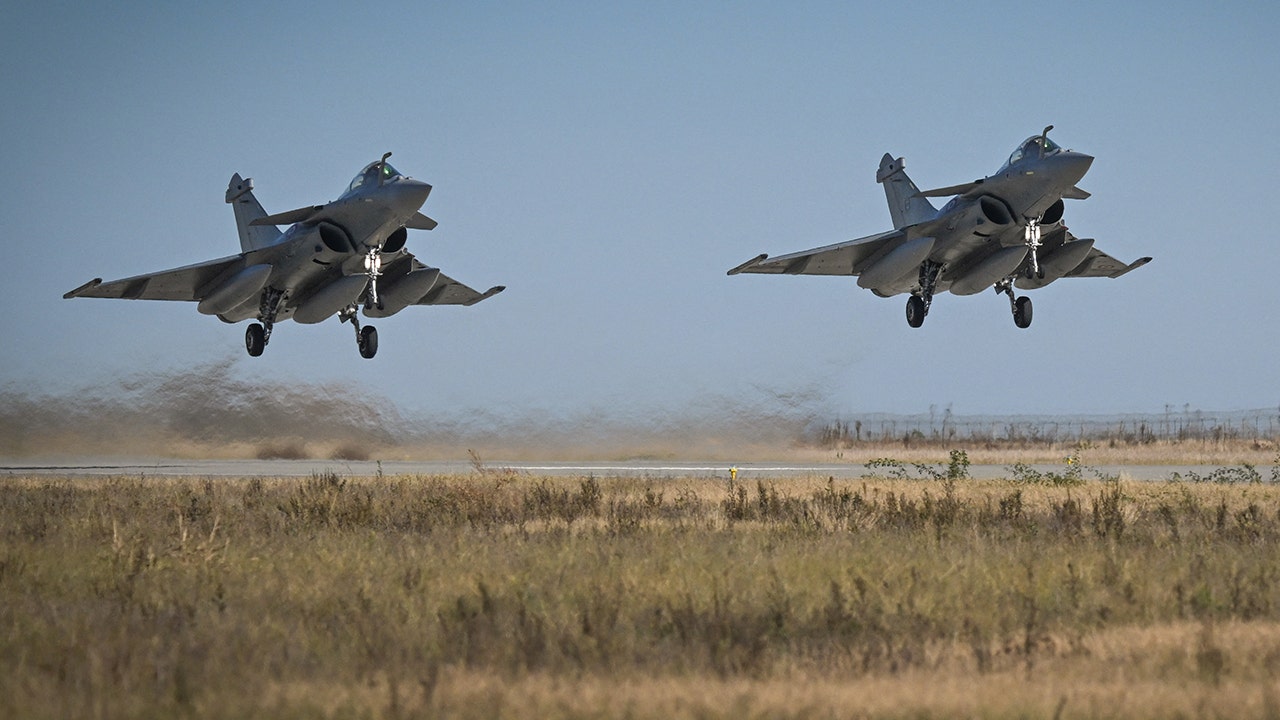
France and Germany have abandoned the fighter‑aircraft portion of the Future Combat Air System (FCAS) program, a multinational effort begun in 2017 and estimated at roughly $116 billion, which aimed to produce a sixth‑generation combat aircraft and accompanying networked systems to replace several European fighter types by around 2040. Officials cited persistent disagreements among governments and industry partners—notably between Airbus and Dassault—over industrial leadership, technology sharing, intellectual property, and divergent military requirements (for example, France’s desire for carrier and nuclear‑capable options versus Germany’s different operational needs). EU and NATO officials had viewed FCAS as central to European strategic autonomy; its collapse raises questions about Europe’s ability to execute large multinational defense projects and may increase reliance on U.S. systems such as the F‑35 or on other international programs like the UK‑led Global Combat Air Programme. French officials said they will continue to pursue European defence cooperation despite the setback; Germany is evaluating alternatives including additional F‑35 purchases, joining other programs, or a separate German‑led effort. The article notes broader context: NATO members are increasing defence spending after Russia’s invasion of Ukraine, the U.S. and China are advancing their own next‑generation aircraft programs, and analysts warn the FCAS outcome signals challenges for European industrial and strategic autonomy ambitions.
Biblical Reflection
The article reports a concrete industrial and political setback that exposes real tensions between national sovereignty, collective cooperation, and technical complexity. From a Christian pastoral perspective, several truths matter: first, honesty about failure is important—acknowledging where projects falter prevents wasteful pride and poor stewardship of public resources. The drive for ‘strategic autonomy’ reflects legitimate desires for self‑reliance and responsibility toward one’s neighbors, but it can also be driven by national prestige or distrust that fractures cooperative work. The piece leans into a failure narrative and emphasizes risks to Europe’s independence and alignment with U.S. capabilities; readers should note that framing can amplify anxiety about decline and may understate technical, budgetary, or strategic tradeoffs that informed the decision. Christians should hold two tensions together: a call to pursue peace and restraint (seeking alternatives to militarization where possible) and a duty to protect the vulnerable (supporting prudent, transparent defense planning when threats are real). Practically that means advocating for truthful accounting of costs and consequences, humility among leaders and companies, and cooperative wisdom rather than nationalist posturing. Finally, pray for leaders to act with stewardship, for industry to be accountable, and for alliances to be strengthened by mutual trust rather than rivalry.
Scripture in context
This outlook does not yet include contextual Scripture citations. Do not treat a general biblical theme as an exegetical conclusion.
Faithful Response
No prescribed response is offered. Consider the reflection prompts below in your own church context.
Reflection and Discussion
- 1Whose perspective is centered in this story—national leaders, industrial partners, or alliance security—and how does that shape the narrative about ‘failure’?
- 2Are we equating strategic independence with moral or practical goodness, or should we weigh the costs and benefits of alliances and shared capabilities more carefully?
- 3How might pride, competition, or mistrust between partners have contributed to this outcome, and what would humility and transparency look like in multinational defence work?
Sources
Reporting links are evidence inputs; Sanctuary News' biblical reflection is commentary.
This outlook currently relies on fewer than two linked sources. Broaden verification before teaching from it.
- 1.Original reportprimary