News Summary
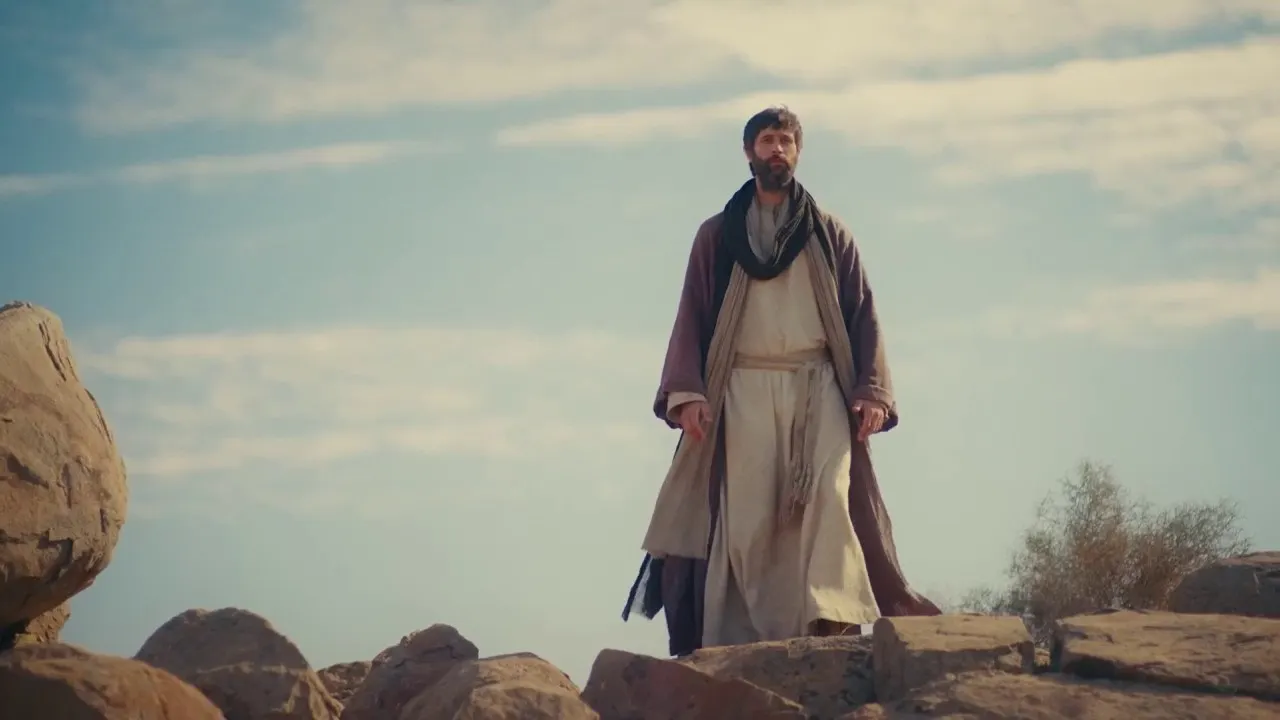
Fox Nation's series "Jesus Crown of Thorns" returns for a third and final season with four new episodes premiering on March 13. The season dramatizes the closing chapter of Jesus' earthly ministry, focusing on the events leading up to the crucifixion: political maneuvering by Jewish leaders (Caiaphas and Annas) and Roman authorities (Pontius Pilate), the Last Supper and Jesus washing his disciples' feet, Judas Iscariot's betrayal in Gethsemane, Jesus' arrest and trial before the Sanhedrin, Pilate's reluctant handling of the crowd, the release of Barabbas, and the path to crucifixion. The article notes dramatic elements such as Pilate's wife's dream and emphasizes the tension of Passover in Jerusalem. It also includes promotion for Fox Nation subscriptions and standard copyright/legal language.
Biblical Reflection
The Passion story is central to Christian faith because it narrates Jesus' willing suffering and atoning work. A dramatized retelling can help viewers engage emotionally with the events, but it must be measured against Scripture and treated with reverence. Christians should welcome faithful portrayals that illuminate Christ's humility, love, and redemptive purpose (John 13–19), while remaining cautious about versions that prioritize spectacle, political intrigue, or sensational detail over biblical truth. Two particular cautions are warranted: (1) dramatic license can introduce theological distortions or ambiguous emphases that shift attention from Jesus’ sacrificial love to mere intrigue; viewers should compare scenes and dialogue with the Gospel accounts and not assume dramatic additions are scriptural. (2) Portrayals of Jewish leaders and the crowd can unintentionally fuel anti-Jewish sentiment if not handled responsibly; the biblical narrative calls us to recognize the complexity of historical actors and to resist reading the Gospel into modern prejudice. Ultimately, Christians are called to receive such media with discernment: appreciate elements that foster repentance, faith, and worship; correct or reject elements that distort the Gospel; and use the occasion to point people back to the Scriptures and to the forgiveness and reconciliation Jesus offers.
Scripture in context
This outlook does not yet include contextual Scripture citations. Do not treat a general biblical theme as an exegetical conclusion.
Faithful Response
No prescribed response is offered. Consider the reflection prompts below in your own church context.
Reflection and Discussion
- 1How does this dramatized portrayal of Jesus’ final days deepen or distract from your understanding of his purpose and suffering?
- 2What specific scenes or character portrayals should you compare with Scripture to guard against theological or historical inaccuracies?
- 3How can you respond compassionately and truthfully if the series fosters unfair negative attitudes toward Jewish people or other groups?
Sources
Reporting links are evidence inputs; Sanctuary News' biblical reflection is commentary.
This outlook currently relies on fewer than two linked sources. Broaden verification before teaching from it.
- 1.Original reportprimary