News Summary
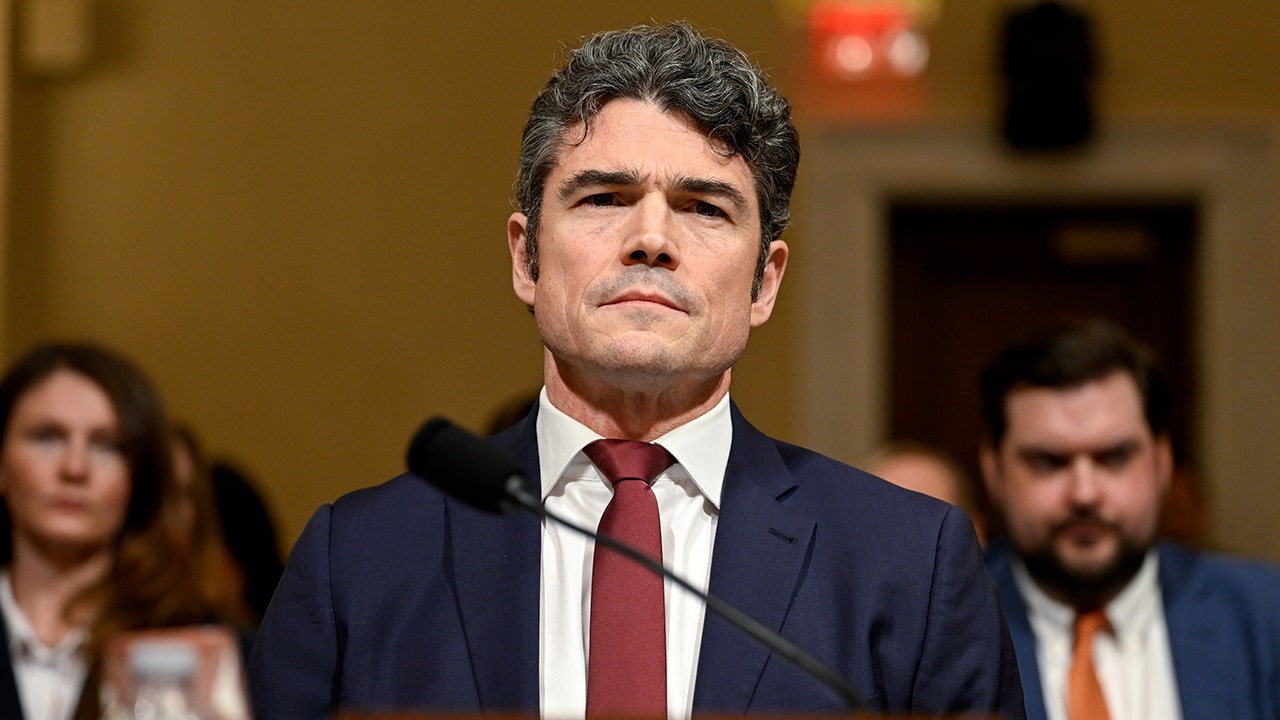
CENTCOM reported that on May 27 Iran launched a ballistic missile toward Kuwait that Kuwaiti forces intercepted, and Iranian forces launched five one-way attack drones near the Strait of Hormuz that U.S. forces intercepted; CENTCOM said a sixth drone launch from Bandar Abbas was prevented. Former National Counterterrorism Center director Joe Kent — who resigned in March over opposition to the Iran war — posted on X that keeping U.S. forces within range of Iran risks being “forced back into the war on Iran’s terms.” Kent argued that withdrawing U.S. bases from the region would preserve the ability to strike from a distance and remove targets for Iran, citing recent U.S. operations he said showed strikes could be conducted without regional bases. CENTCOM said it and regional partners remain vigilant and measured in defending forces and interests.
Biblical Reflection
The article presents a security argument: the presence of U.S. forces in the region creates both deterrence and potential vulnerability. Kent’s warning is rooted in a realistic concern—fixed bases can become targets—but his recommendation to withdraw is a policy prescription with tradeoffs that the article does not fully explore. The piece, published in a partisan outlet, privileges a voice critical of current deployment posture and highlights military incidents that support urgency. Christians should test such claims by seeking fuller context: the likely consequences for regional partners, civilians, and deterrence if forces withdraw; the credibility of alternatives like long-range strikes or diplomacy; and the motivations behind public messaging (strategic, political, or moral). From a biblical perspective, prudence, humility, and a desire for peace should guide evaluation. Truth requires weighing operational facts and multiple expert voices rather than accepting a single, stark framing. Mercy and neighbor-love call us to consider civilian safety in Kuwait, Iran, and nearby countries and to press leaders toward solutions that reduce risk of wider conflict. Courage and accountability require speaking honestly about the costs of both action and withdrawal and holding leaders responsible for pursuing the least harmful paths.
Scripture in context
This outlook does not yet include contextual Scripture citations. Do not treat a general biblical theme as an exegetical conclusion.
Faithful Response
No prescribed response is offered. Consider the reflection prompts below in your own church context.
Reflection and Discussion
- 1What assumptions about deterrence and vulnerability underlie the claim that U.S. bases in the region make war more likely, and who benefits if those assumptions go unchallenged?
- 2How does focusing on military posture shape public perception of responsibility and blame in this conflict, and which voices—military, diplomatic, regional partners, civilian aid groups—are missing from the conversation?
- 3Are proposed fixes framed as technical adjustments or moral imperatives, and how should Christians weigh strategic effectiveness against the call to protect innocent life and pursue peace?
Sources
Reporting links are evidence inputs; Sanctuary News' biblical reflection is commentary.
This outlook currently relies on fewer than two linked sources. Broaden verification before teaching from it.
- 1.Original reportprimary