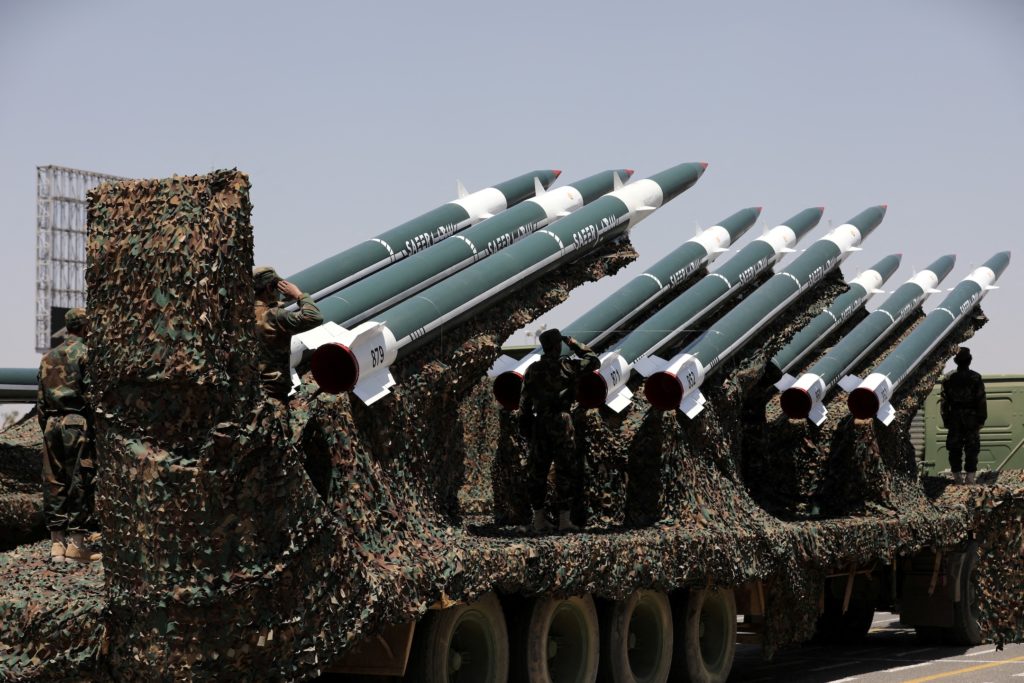
News Summary
PBS NewsHour aired an interview in which Amna Nawaz spoke with Timothy Lenderking about Houthi actions aimed at disrupting shipping in the Red Sea. The program highlights Lenderking's past positions—special envoy to Yemen and acting assistant secretary for Near East Affairs—and notes his current affiliation with Squire Patton Boggs. The piece is presented as expert analysis rather than on-the-ground reporting of incidents or verification of specific attacks.
Source and Framing Analysis
This report is an expert interview (single-source perspective) published by PBS NewsHour. The framing centers on eliciting analysis from a former U.S. diplomat; it thus provides experienced context but not independent incident reporting, data, or multiple corroborating sources. The article omits detailed incident counts, economic impact figures, statements from maritime authorities, and perspectives from affected seafarers or regional actors, all of which would materially affect how the story is understood.
Biblical Reflection
This short interview piece is primarily a request for expert perspective about a serious security and humanitarian problem: attacks by the Houthis on commercial shipping in the Red Sea. The presence of a former U.S. envoy lends diplomatic and regional-experience credibility, but the report itself is a single-source interview and does not present independent data, casualty figures, or detailed operational timelines.
From a Christian pastoral perspective, the story raises concerns about the vulnerability of civilians and crews, disruption of global commerce that affects ordinary people, and the moral urgency to seek peace and protect the innocent. Christians should weigh expert analysis carefully, attend to the needs of those harmed (seafarers, coastal communities, displaced civilians), and pray for de-escalation while supporting credible humanitarian responses.
At the same time, remember to hold a posture of humility and discernment: interviews with former officials are valuable for context but can reflect institutional viewpoints and professional interests. Look for corroborating reporting, concrete facts about harms and responses, and clear evidence before forming firm conclusions or policy prescriptions.
Scripture in context
- 1Matthew 5:9 — In the Sermon on the Mount, Jesus pronounces blessings on those who embody countercultural virtues; 'peacemakers' are commended within a broader call to righteousness and mercy amid conflict. — This passage calls Christians to value and pursue peace, to support efforts that protect the vulnerable, and to encourage conflict resolution rather than celebrate strategic advantage or violence.
- 2Romans 12:17-21 — Paul exhorts the Roman Christians not to repay evil for evil and to live peaceably with all as far as it depends on them, concluding with a call to overcome evil with good. — Against the backdrop of maritime attacks and geopolitical retaliation, this text challenges Christians to resist cycles of escalation, to seek just protection for innocents, and to promote responses that restore safety and justice rather than deepen harm.
Faithful Response
1) Pray for seafarers, coastal civilians, and all affected by the violence; 2) Seek reliable, corroborated reporting before forming policy judgments; 3) Support reputable humanitarian and maritime-welfare organizations assisting crews and displaced people; 4) Contact elected representatives to ask that responses prioritize protection of civilians, safe passage for commerce, and diplomatic efforts where possible; 5) Encourage your church to remember and assist global neighbors through prayer, advocacy, and directed giving.
Reflection and Discussion
- 1How does Scripture shape our priorities when conflicts disrupt global supply chains and harm noncombatants?
- 2When an expert provides analysis, what spiritual and practical steps should we take to verify facts and avoid acting on incomplete information?
- 3What responsibilities do Christians have to advocate for policies that protect the vulnerable while promoting peaceful resolutions?
Sources
Reporting links are evidence inputs; Sanctuary News' biblical reflection is commentary.
This outlook currently relies on fewer than two linked sources. Broaden verification before teaching from it.
- 1.Former U.S. diplomat breaks down Houthi attacks on Red Sea shippingprimary_reporting