News Summary
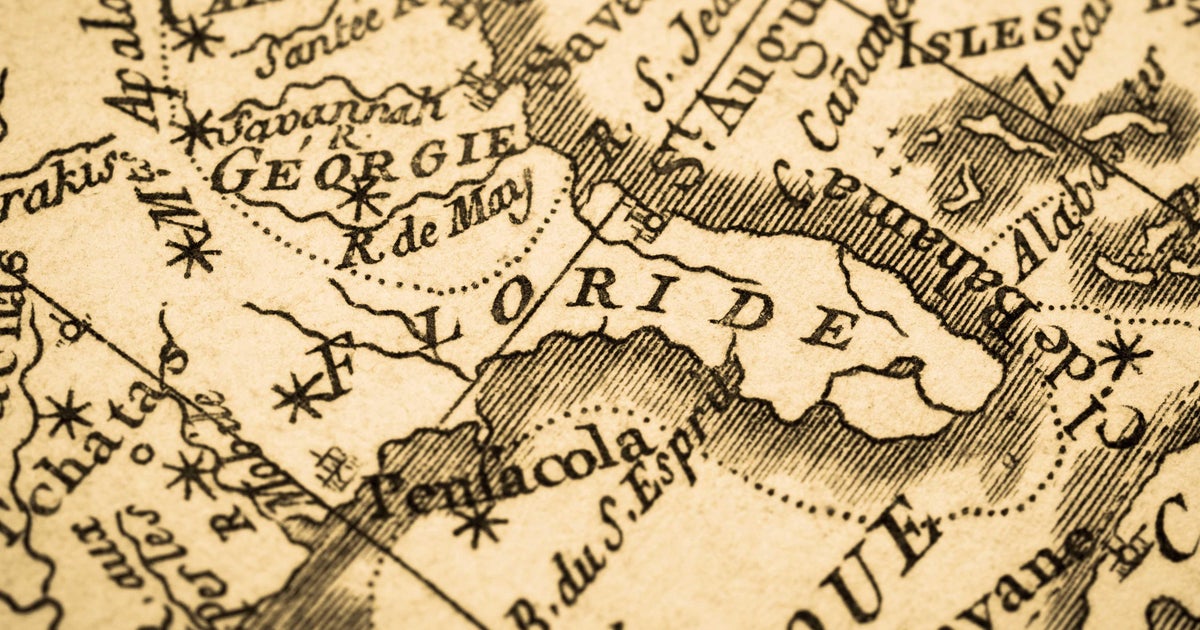
On July 4, 1776 the Florida peninsula was divided into two British colonies: East Florida (capital St. Augustine) and West Florida (capital Pensacola). Unlike the thirteen colonies that declared independence, both Florida colonies remained loyal to the British Crown throughout the American Revolution. Historians cited in the report say reasons included limited economic ties to Britain (so fewer grievances over taxes such as the Stamp Act), reliance on British military protection against Native American attacks, and an influx of Loyalist refugees from neighboring colonies. West Florida declined an invitation to the First Continental Congress in 1774, and East Florida communities displayed open opposition to the rebellion. The colonies repelled several invasions and kept the Union Jack flying until the end of the war. After the Revolution, Britain ceded Florida back to Spain (1783); Spain governed until 1821, when Florida was ceded to the United States under the Adams–Onís Treaty and later became a U.S. state in 1845. Historians interviewed hope this lesser-known chapter is better recognized during the nation's 250th anniversary.
Biblical Reflection
The article presents a straightforward historical account that challenges the common, simplified narrative of unanimous colonial rebellion. It is broadly accurate in reporting key facts and commonly cited reasons for Florida's loyalty, but it compresses complex local, imperial, Indigenous, and enslaved peoples' dynamics into a short summary. The piece reflects a national-memory bias that centers the thirteen colonies as the default story while treating divergent loyalties as a footnote. From a Christian perspective, this reminder of moral and historical complexity calls us to pursue truth with humility: people made fearful, prudent, or self-interested choices in dangerous times, and those choices are not easily judged from afar. We should also notice whose voices are missing — Indigenous nations, enslaved Africans, Spanish officials, and non-elite settlers — and be wary of narratives that simplify good versus bad. Practically, Christians can use this history to practice mercy toward those who chose safety or order over rebellion, to speak for the marginalized whose stories were sidelined, and to pursue reconciliation grounded in a fuller truth rather than patriotic nostalgia.
Scripture in context
This outlook does not yet include contextual Scripture citations. Do not treat a general biblical theme as an exegetical conclusion.
Faithful Response
No prescribed response is offered. Consider the reflection prompts below in your own church context.
Reflection and Discussion
- 1Which perspectives are absent from this account (Indigenous peoples, enslaved people, Spanish officials), and how would their inclusion change the story?
- 2Does the impulse to simplify history into winners and losers obscure moral lessons about fear, protection, and neighbor-care?
- 3How does remembering divided loyalties from the past shape our approach to present-day political disagreement and national identity?
Sources
Reporting links are evidence inputs; Sanctuary News' biblical reflection is commentary.
This outlook currently relies on fewer than two linked sources. Broaden verification before teaching from it.
- 1.Original reportprimary