News Summary
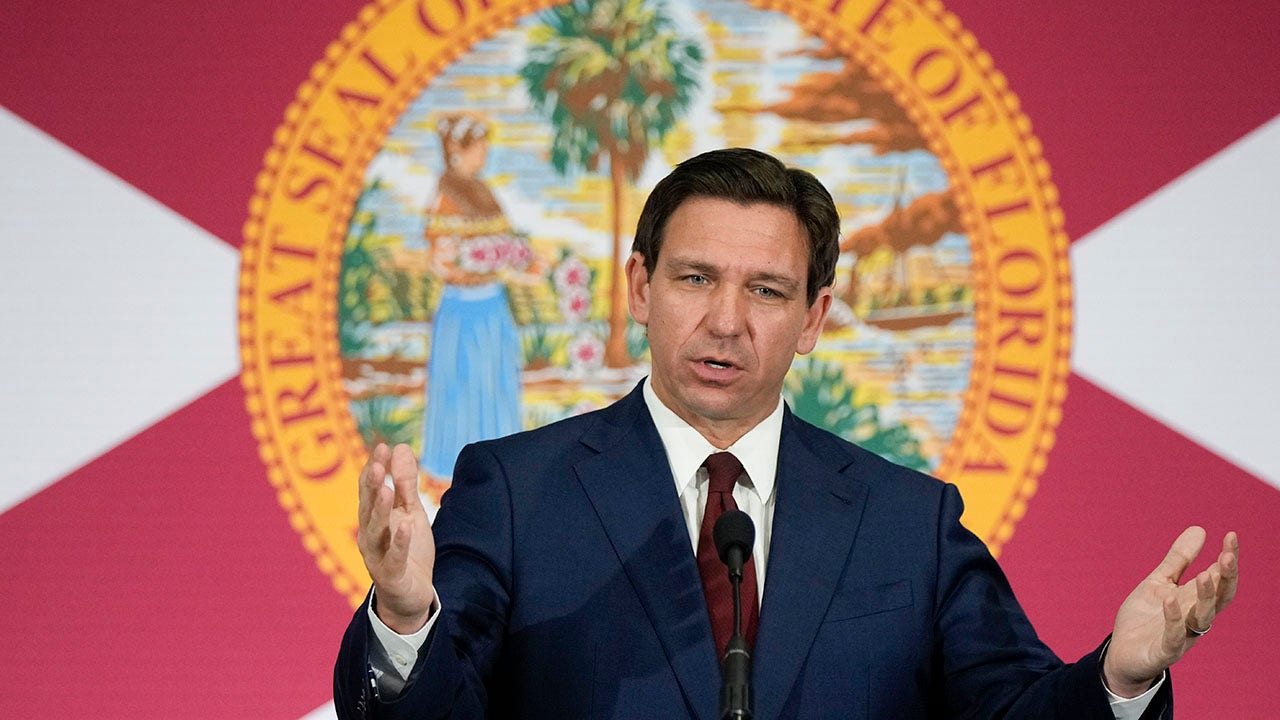
The Florida chapter of the Council on American-Islamic Relations (CAIR) has announced plans to sue Governor Ron DeSantis after he issued an executive order designating CAIR and the Muslim Brotherhood as 'foreign terrorist organizations.' The order bars state agencies from contracting with, employing, or funding these groups or those that support them. CAIR’s deputy executive director, Hiba Rahim, condemned the order as baseless and reminiscent of discrimination against other minority groups historically. Legal representatives argue that DeSantis’ action oversteps his authority and is rooted in anti-Muslim rhetoric, as only the federal government can issue such designations. Similar actions have been taken in Texas by Governor Greg Abbott, and CAIR is also legally challenging that state's order. The issue centers on constitutional rights, state versus federal authority, and the implications for civil rights organizations.
Biblical Reflection
From a biblical perspective, this situation calls for discernment, justice, and the upholding of truth. Scripture warns against bearing false witness (Exodus 20:16) and encourages believers to seek peace and pursue justice (Micah 6:8). Accusations—especially those carrying grave consequences—must be handled with integrity, clear evidence, and fairness, not political expediency or fear. The actions of leaders should reflect a commitment to justice for all, including minorities and those with differing beliefs. At the same time, governments are tasked with protecting citizens, but such protection should not come at the expense of fundamental rights or by fostering division. Christians are called to love their neighbors, including those of other faiths, and to advocate for justice and truth in public life. The church should be vigilant against rhetoric or policies that may unjustly marginalize or vilify groups, and instead promote dialogue, understanding, and due process.
Scripture in context
This outlook does not yet include contextual Scripture citations. Do not treat a general biblical theme as an exegetical conclusion.
Faithful Response
No prescribed response is offered. Consider the reflection prompts below in your own church context.
Reflection and Discussion
- 1How can we discern truth and promote justice when political or social controversy arises?
- 2What does it look like to love our neighbors—including those from different backgrounds or faiths—in times of public tension?
- 3How might fear or prejudice influence our attitudes or the actions of leaders, and how does Scripture call us to respond?
Sources
Reporting links are evidence inputs; Sanctuary News' biblical reflection is commentary.
This outlook currently relies on fewer than two linked sources. Broaden verification before teaching from it.
- 1.Original reportprimary