News Summary
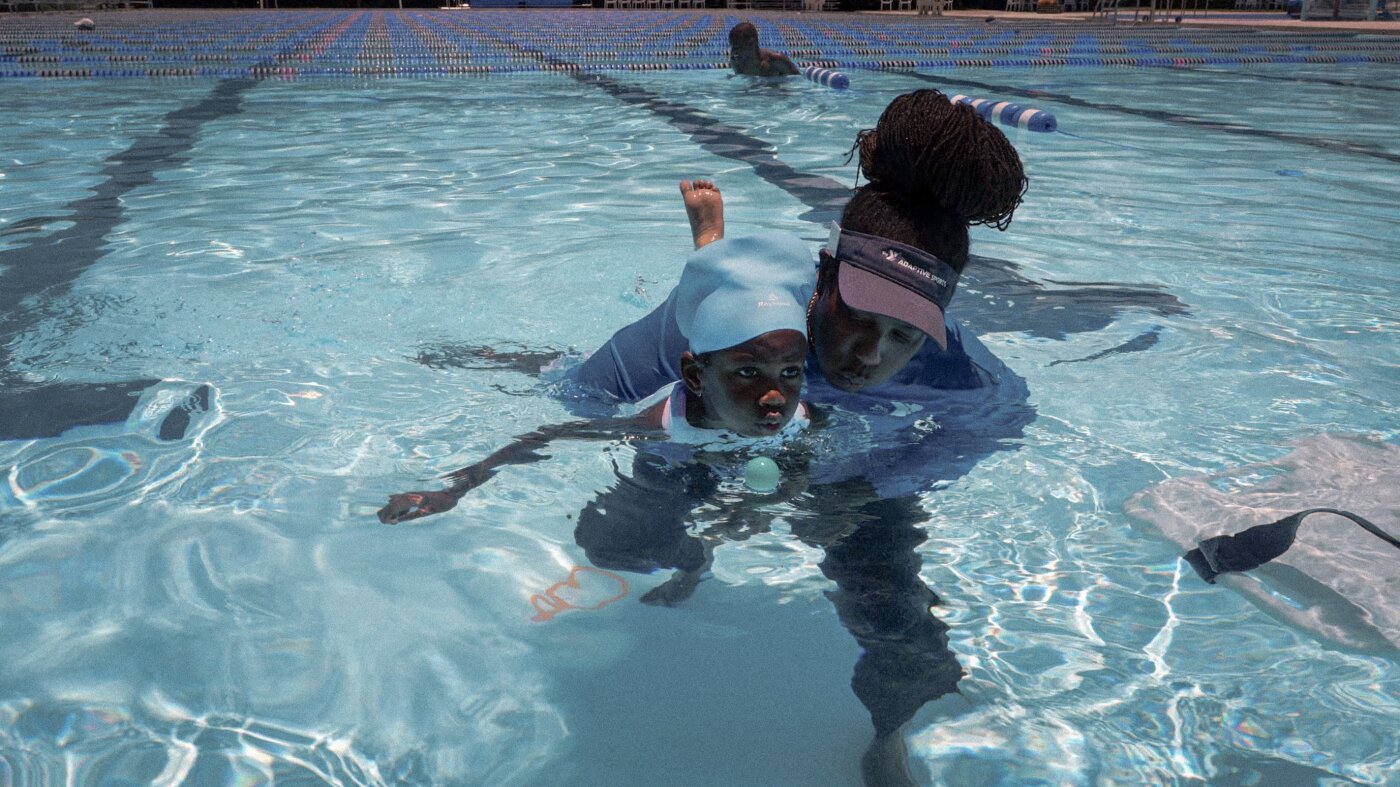
Children with autism are at significantly higher risk of drowning, with a 2017 Columbia University study finding they are about 160 times more likely than other children to die by drowning. Florida has one of the nation's highest childhood drowning rates, often in backyard pools, and many autistic children have a tendency to wander (elope), increasing risk. To address this, a bipartisan change in Florida law will take effect July 1 giving children ages 1–7 with autism priority access to a state swim voucher program that generally covers about $200 and up to eight swim lessons. The YMCA of South Florida runs an adaptive Swim Buddies program offering individualized, one-on-one instruction and trains staff to stay within arm’s length of swimmers and use play-based reinforcement; university researchers report measurable swimming-skill improvements after five or six quality lessons. Program demand already outstrips available slots and trained instructors; providers and researchers warn that expanded vouchers may increase demand faster than capacity and that additional funding and trained personnel are needed. The Florida Department of Health declined to provide details about voucher availability when asked.
Biblical Reflection
This policy change aims to protect a vulnerable population by reducing a preventable cause of death, and it reflects a basic public ethic—valuing and protecting children. The emphasis on adaptive, individualized instruction and on training instructors to manage elopement risks shows an evidence-based approach oriented toward life preservation. At the same time, the article highlights implementation gaps: limited slots, insufficient numbers of trained instructors, unclear program capacity, and unknown long-term funding. From a Christian perspective, the initiative embodies neighbor-love and mercy by prioritizing those at heightened risk, but true neighbor-love also requires sustained investment, adequate training, and equitable access—not just a one-time or symbolic fix. Readers should note the article’s constructive, nonpartisan tone; it centers on safety and capacity rather than political points, but it also assumes that vouchers alone will translate into outcomes without full discussion of long-term support systems (transportation, ongoing lessons, community outreach). Believers should celebrate measures that protect life while advocating for the deeper, sustained community and policy commitments that turn temporary help into lasting care.
Scripture in context
This outlook does not yet include contextual Scripture citations. Do not treat a general biblical theme as an exegetical conclusion.
Faithful Response
No prescribed response is offered. Consider the reflection prompts below in your own church context.
Reflection and Discussion
- 1Does the policy focus on short-term access (vouchers) or on building lasting capacity—trained instructors, funding, and community supports—needed to keep children safe?
- 2Who in the community (local churches, nonprofits, schools) can partner to provide training, funding, or venues so that prioritized vouchers actually reach and protect the most vulnerable?
- 3Are we measuring success only by enrollment numbers, or by sustained skill development and reduced drowning incidents over time?
Sources
Reporting links are evidence inputs; Sanctuary News' biblical reflection is commentary.
This outlook currently relies on fewer than two linked sources. Broaden verification before teaching from it.
- 1.Original reportprimary