News Summary
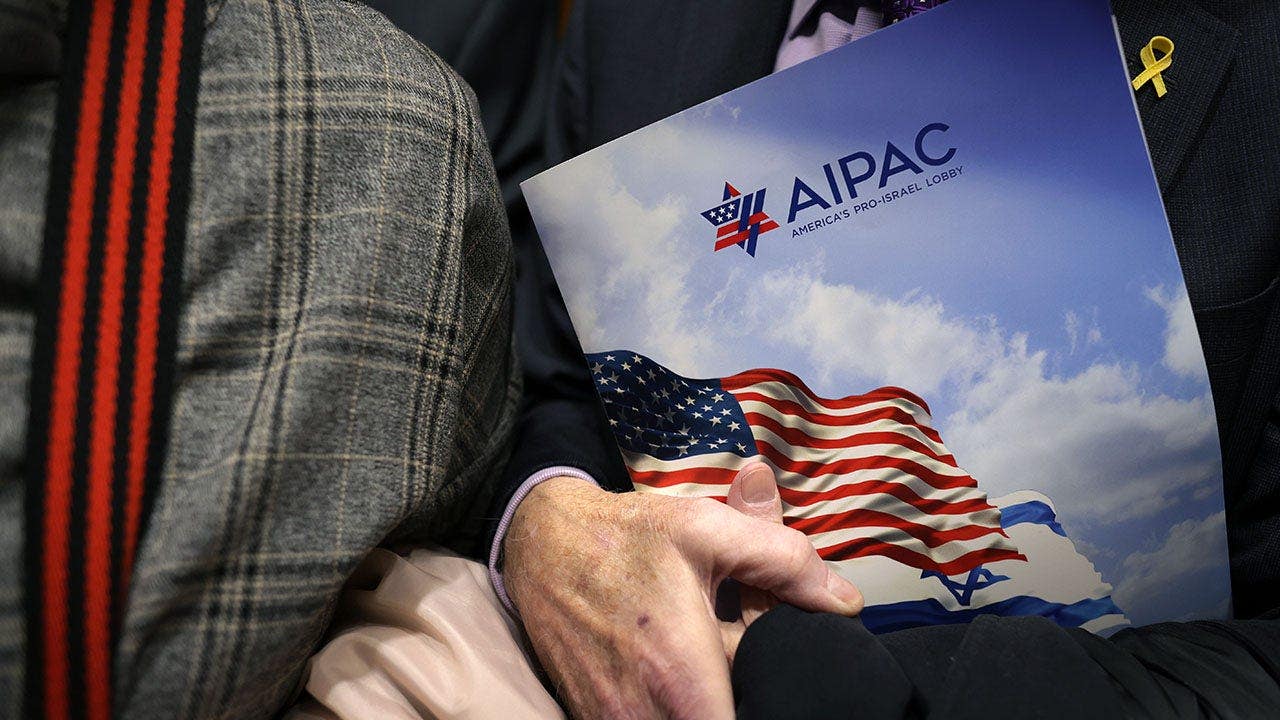
Federal prosecutors allege that Forrest Kendall Pemberton, 27, of Gainesville, attempted to carry out a shooting on Dec. 23, 2024, at an office he believed to be the American Israel Public Affairs Committee (AIPAC) in Plantation, Florida. According to charging documents, Pemberton armed himself with an AR‑15‑style rifle equipped with a silencer and planned to volunteer at the organization to gain access. Investigators traced him using cellphone geolocation. He left a note for his family, and his father alerted police after concerns about his disappearance. Pemberton was stopped in Tallahassee on Dec. 25, 2024, and later interviewed by investigators; he was arrested on Dec. 27, 2024. He is indicted on counts including attempted hate crime, using and carrying a firearm during a crime of violence, and possession of a short‑barreled rifle; the statutes carry potential sentences including life on the attempted hate crime count, a mandatory consecutive sentence of up to 30 years on the firearm count, and up to five years on the possession count. The article also notes separate federal charges against eight individuals in Michigan for antisemitic threats and vandalism. Reporting is based on Justice Department statements and court documents; the specific building targeted was described as empty in earlier reports and AIPAC’s confirmation is not detailed in court filings cited in the article.
Biblical Reflection
From a Christian perspective this story confronts two clear moral failures: the dehumanizing hatred that targets a neighbor because of identity, and the personal brokenness that can turn grievance into violent intent. The reporting relies on law‑enforcement sources and court filings, so the factual claims align with official allegations, though some details (such as confirmation of the exact building and motives) are limited to those documents and media accounts. The article’s framing emphasizes criminal accountability and public safety; readers should avoid conflating lawful political criticism of a group’s policies with justification for violence. Christians are called both to seek justice — supporting lawful investigation and protection for threatened communities — and to practice mercy and repentance toward those who are broken by anger or ideology. We must resist narratives that dehumanize any people and be careful not to reduce complex political disagreements to excuses for violence. Practically, that means advocating for secure, loving communities, supporting victims, and promoting honest, non‑violent public discourse that names evil without copying it.
Scripture in context
This outlook does not yet include contextual Scripture citations. Do not treat a general biblical theme as an exegetical conclusion.
Faithful Response
No prescribed response is offered. Consider the reflection prompts below in your own church context.
Reflection and Discussion
- 1Am I able to distinguish legitimate policy disagreement from rhetoric that dehumanizes a group and makes violence seem permissible?
- 2What signs of radicalization or despair does my community need to notice earlier, and how can we respond with both accountability and pastoral care?
- 3Does my instinctive reaction prioritize protection and truth, or does it feed fear, scapegoating, or political point‑scoring?
Sources
Reporting links are evidence inputs; Sanctuary News' biblical reflection is commentary.
This outlook currently relies on fewer than two linked sources. Broaden verification before teaching from it.
- 1.Original reportprimary