News Summary
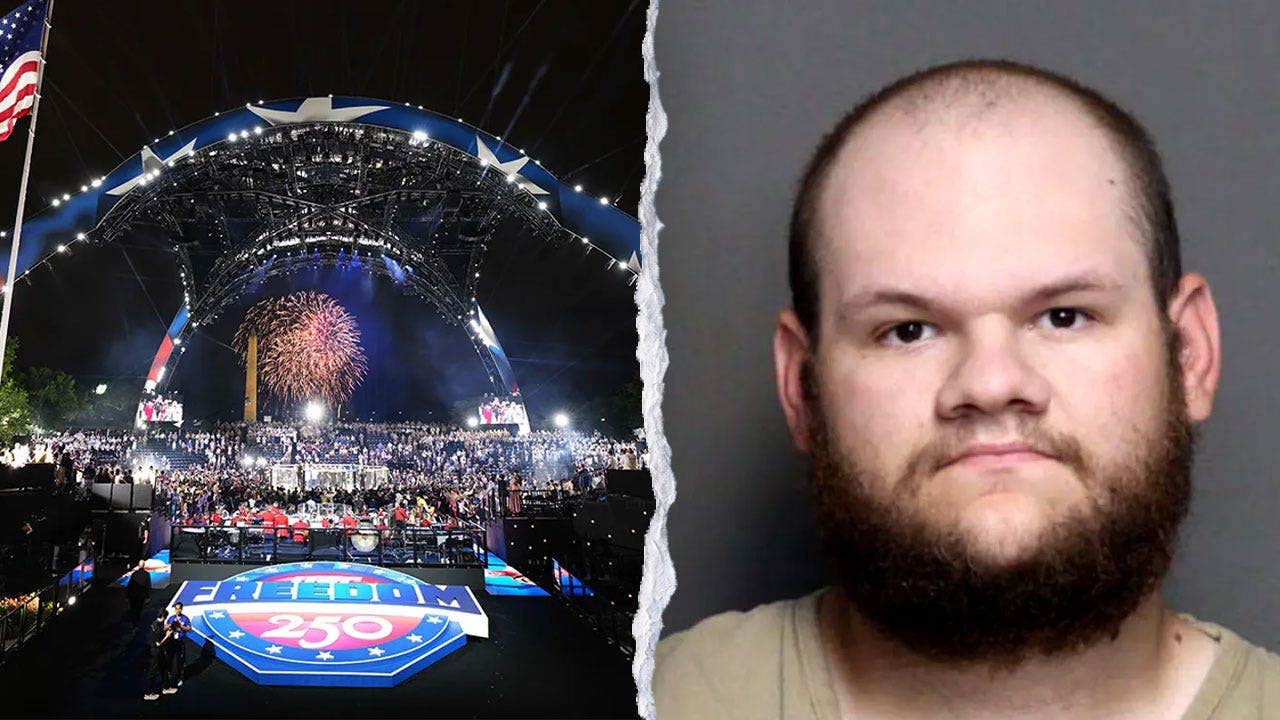
Federal authorities arrested five men across Ohio, California, Missouri and Nebraska accused of plotting a mass-casualty attack on UFC Freedom 250, an event held on the White House South Lawn June 15, 2026. Prosecutors say the group initially connected in a TikTok community called “Vanguard of the Old,” moved planning into encrypted Signal chats, and organized a tiered structure assigning roles such as shooters, drone operators, drivers and logistics. Court filings allege discussions included using explosive-laden drones to trigger an evacuation and then attacking fleeing attendees and government officials; investigators reportedly recovered Signal messages, maps of Washington, proposed sniper positions, drone launch sites, and evidence of weapons purchases and training. The investigation began June 10 after a defendant’s mother raised concerns; some filings say participants canceled the operation days before the event. Officials noted the network likely extended beyond the five charged; some leaders and law-enforcement officials differed publicly about whether the plot had reached an imminent stage. The UFC event occurred and no attack was carried out.
Biblical Reflection
Christian concern is twofold: the moral evil of planning mass violence and the social realities that enable radicalization. The article reports factual allegations from court filings and law enforcement; it mixes operative detail with quotes that may shape perception (for example, official statements minimizing immediacy alongside prosecutorial descriptions of planning). Readers should distinguish alleged intent in charging documents from proven criminal guilt in court. The story also reveals how online communities and encrypted platforms can accelerate violent organizing, which calls for sober pastoral attention to how young people find identity, grievance, and belonging in digital subcultures. Spiritually, the Christian response rejects violence, seeks justice through lawful means, and resists political sensationalizing that dehumanizes those involved before due process. Practically, churches should pray for victims and for investigators, care for families affected, support responsible public safety measures, and work to offer young people alternatives to online extremism—rooted in truth, mercy, humility, and neighbor-love.
Scripture in context
This outlook does not yet include contextual Scripture citations. Do not treat a general biblical theme as an exegetical conclusion.
Faithful Response
No prescribed response is offered. Consider the reflection prompts below in your own church context.
Reflection and Discussion
- 1How does the anonymity and algorithmic reach of online communities change the way grievance becomes violent intent, and how should Christians discern those signs?
- 2What assumptions or political framings in media and official statements might shape public fear or calm, and how should believers test those narratives against facts and charity?
- 3How can the church and Christian institutions offer discipleship, belonging, and nonviolent responses to grievances that might otherwise be channeled into extremism?
Sources
Reporting links are evidence inputs; Sanctuary News' biblical reflection is commentary.
This outlook currently relies on fewer than two linked sources. Broaden verification before teaching from it.
- 1.Original reportprimary