News Summary
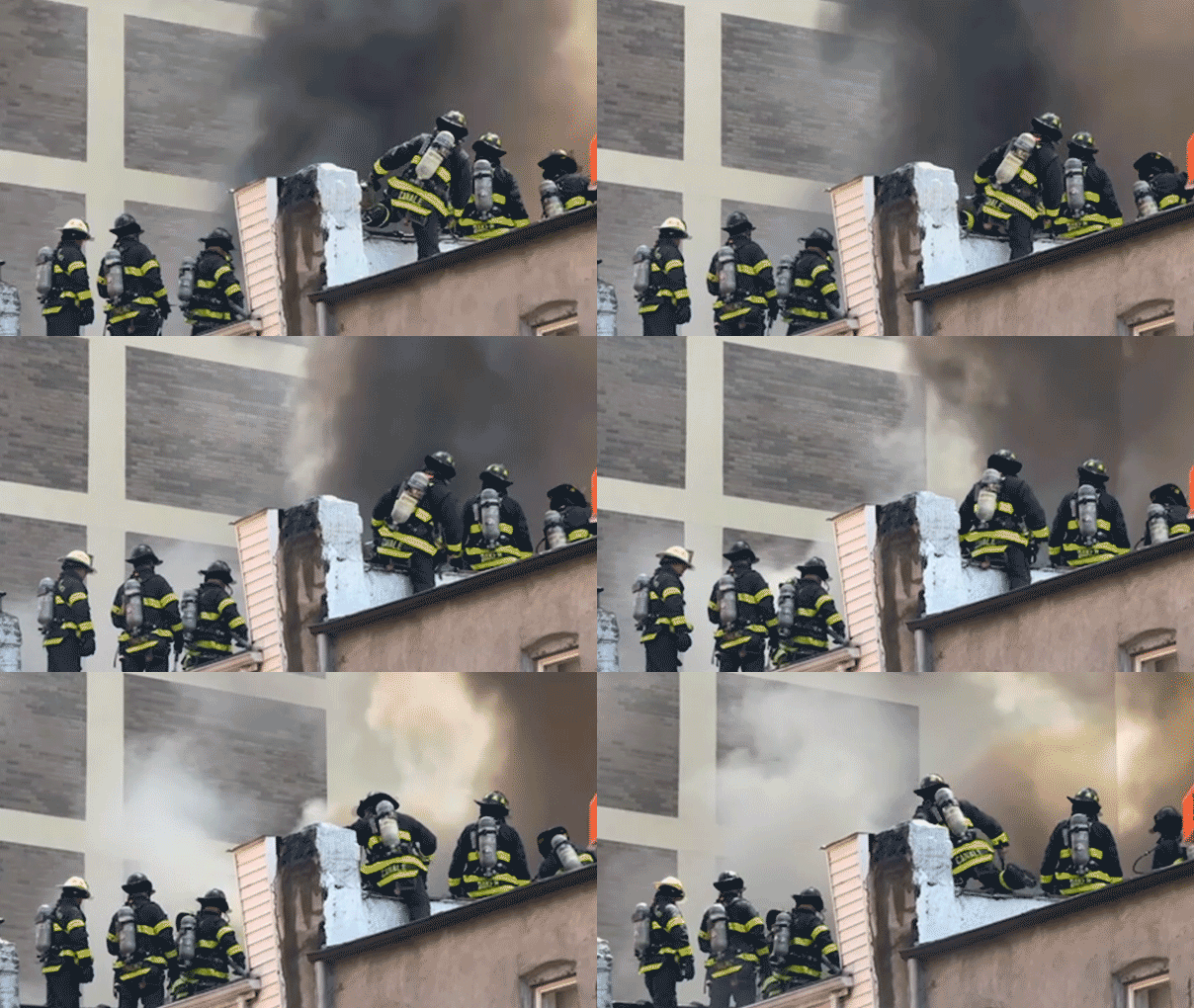
Reported facts: A five-alarm fire in Queens damaged multiple apartment buildings, engaged approximately 250 FDNY personnel, injured at least 17 firefighters, and displaced families. Attributed claims: The numbers (17 injured firefighters, 250 personnel) are reported by the article; it also states that 'others' were injured without quantifying. Uncertainties: Cause of the fire, the exact number of civilian injuries, the number of displaced people, the addresses and ownership of affected buildings, and the extent of property loss are not provided in the report.
Source and Framing Analysis
The supplied reporting is a single article that focuses on the scale of the response and the injuries to firefighters and residents. Material uncertainties (cause, civilian injury and displacement totals, longer-term consequences) are not addressed. The piece is event-driven and lacks detailed quotes, official investigative updates, or multiple-source corroboration; that limited sourcing affects how definitive the story can be read.
Biblical Reflection
This story highlights both human vulnerability and the public good of service. The immediate facts — injuries to many firefighters, families losing housing, and a large emergency response — call Christians to practical compassion: pray for the injured and displaced, support recovery efforts, and honor those who risk their lives to protect others. At the same time, the report is brief and leaves key questions unanswered (cause, full civilian toll, long‑term housing needs), so Christian discernment requires resisting quick judgments and attending to verified needs rather than rumor.
The article’s emphasis on the scale of the response and the injuries rightly points readers toward gratitude for first responders and toward solidarity with displaced neighbors. A Christian posture here balances thanks and grief, demands for accountability where safety failures exist, and concrete neighbor-love: provide shelter, resources, and advocacy for affected families. We should also use this moment to press for systemic prevention measures — safer housing, inspections, and support for emergency services — while tempering certainty where facts are incomplete.
Scripture in context
- 1Galatians 6:2 — Paul instructs the Christian community to bear one another's burdens as part of mutual responsibility within the church, set against his broader call to live by the Spirit rather than the flesh. — This passage calls Christians to practical solidarity: help those displaced by the fire, care for injured first responders, and carry neighbors' burdens through concrete assistance rather than mere sentiment.
Faithful Response
Pray specifically for the injured, displaced families, and emergency workers; follow local church and agency requests for needs.
Offer concrete assistance: volunteer at shelters, donate money or supplies to verified local relief funds, or provide short-term housing where possible.
Check on vulnerable neighbors (elderly, disabled, families with young children) in the affected area and connect them with aid organizations.
Avoid spreading unverified details; share only confirmed information and referrals to official resources.
Reflection and Discussion
- 1How does Scripture call us to balance immediate shelter and aid with long-term advocacy for safer housing and fire prevention?
- 2In what practical ways can our congregation 'bear one another's burdens' after a local disaster like this?
- 3How should gratitude for first responders shape our concrete support for their welfare and the families affected by the blaze?
Sources
Reporting links are evidence inputs; Sanctuary News' biblical reflection is commentary.
This outlook currently relies on fewer than two linked sources. Broaden verification before teaching from it.
- 1.NYC 5-alarm fire injures at least 17 firefighters, others as blaze damages multiple apartment buildingsprimary_reporting