News Summary
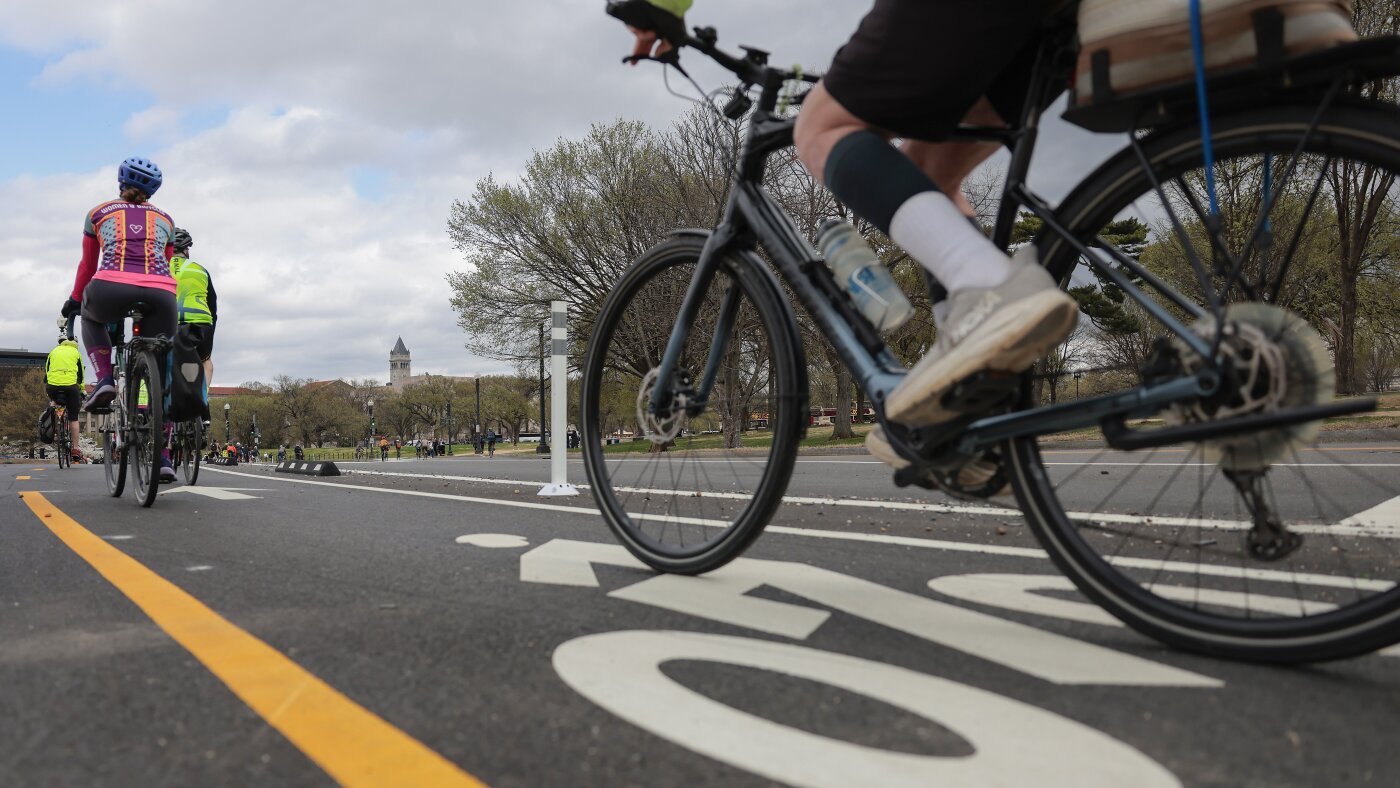
The Federal Highway Administration quietly removed five strategies — including bike lanes, speed safety cameras, and variable speed limits — from its online list of 28 "Proven Safety Countermeasures," reducing the list to 23. The FHWA has not publicly announced or explained the timing of the deletions. The department says the change is part of a review to align countermeasures with current DOT policies and to reverse prior policies it says reduced lane capacity and increased congestion. Critics, including former FHWA officials and safety advocates, say the removed measures were supported by rigorous research showing significant crash reductions (FHWA materials cited up to 50% crash reductions from speed cameras and 30–49% reductions associated with bike lanes, depending on road type). Safety advocates warn that although the FHWA list does not itself direct funding, it has influenced state and local decisions and that removing items could make it harder to justify lifesaving projects. The DOT announced more than $1.7 billion in discretionary grants that did not include funding for bike lanes or pedestrian projects; Secretary Sean Duffy posted on social media criticizing "DEI bike lanes" and said grant priorities were being redirected toward roads.
Biblical Reflection
The article documents an administrative policy change that appears driven by a shift in priorities — favoring traffic throughput and reversing prior guidance — rather than an explicit refutation of past safety research. Christians should note two concerns: first, truth-seeking requires attention to evidence; if robust research shows certain countermeasures save lives, removing them from official guidance without transparent explanation corrodes trust and risks avoidable harm. Second, pastoral ethics call us to protect the vulnerable: pedestrians and cyclists are disproportionately at risk on roads, and policy shifts that make it harder to adopt protective measures conflict with neighbor-love. The rhetoric framing bike lanes as ideological "DEI" projects is a political device that can obscure practical safety tradeoffs. At the same time, good stewardship of public funds and legitimate debates about congestion and design deserve fair, evidence-based discussion. Christians should advocate for policies grounded in clear data, humility about tradeoffs, and a preference for protecting life and community welfare over partisan framing.
Scripture in context
This outlook does not yet include contextual Scripture citations. Do not treat a general biblical theme as an exegetical conclusion.
Faithful Response
No prescribed response is offered. Consider the reflection prompts below in your own church context.
Reflection and Discussion
- 1Are the changes rooted in new research, or in political priorities that reshape which evidence is acknowledged?
- 2Whose daily safety is most affected by this policy shift — and who is least heard in the discussion?
- 3How does labeling safety investments with political language change public willingness to consider measures that protect lives?
Sources
Reporting links are evidence inputs; Sanctuary News' biblical reflection is commentary.
This outlook currently relies on fewer than two linked sources. Broaden verification before teaching from it.
- 1.Original reportprimary