News Summary
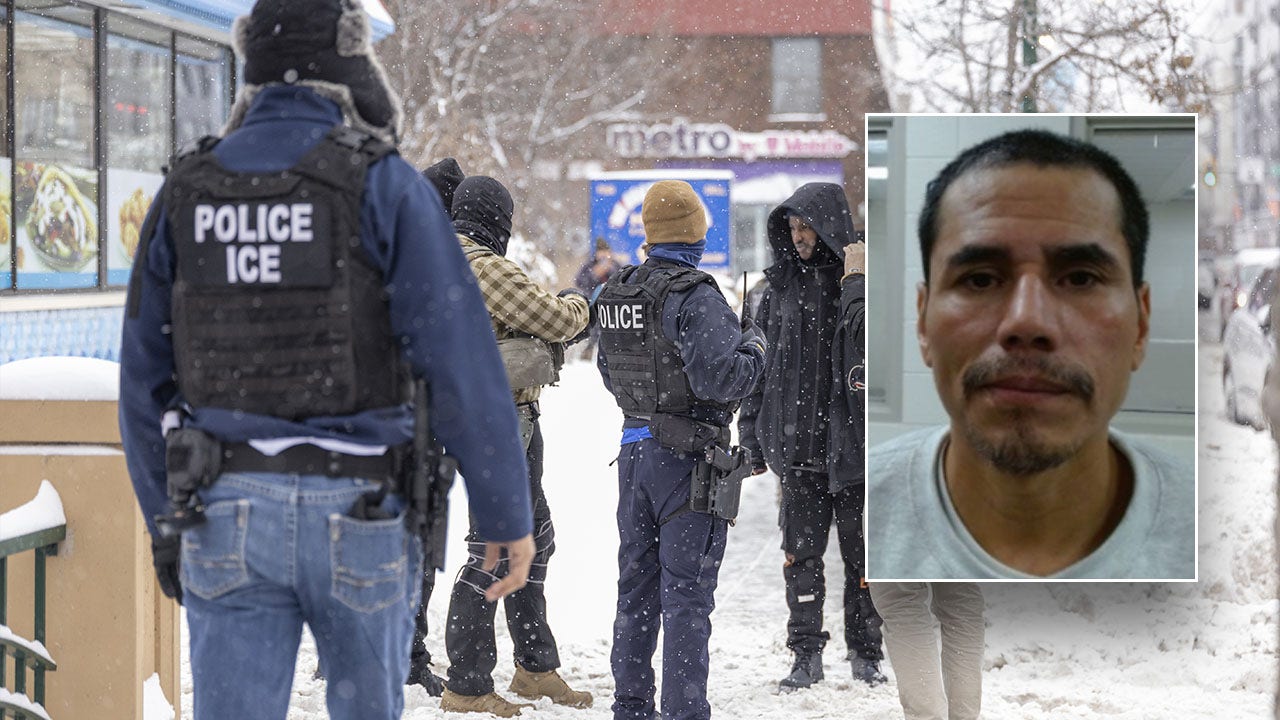
U.S. District Judge Susan Richard Nelson ordered the release of Carlos Antonio Flores-Miguel, an MS-13 gang member from El Salvador who has a criminal history including rape, robbery, resisting officers and multiple illegal re-entries. Flores-Miguel was arrested by ICE in Minneapolis after allegedly violently resisting arrest and grabbing an officer’s gun holster. DHS and an Acting Assistant Secretary criticized the decision, calling release of violent criminals reckless. The article notes Flores-Miguel entered the U.S. multiple times (2016, 2017, 2021), was removed on prior occasions, was released into the U.S. in 2022, and later was subject to a deportation order that allowed removal to a country other than El Salvador. Judge Nelson cited the administration’s public characterization of Flores-Miguel as one of the “Worst of the Worst” and questioned why third countries would accept such individuals. The story is framed amid broader legal fights over the Trump administration’s third-country deportation policy and ongoing debates about immigration enforcement and public safety.
Biblical Reflection
This story raises two biblical priorities that can feel in tension: the call for justice and protection of the innocent, and the command to treat every human being as made in God’s image and open to redemption. Scripture affirms the role of authorities to restrain wrongdoers and protect the vulnerable (Romans 13:1–4). Christians should be rightly concerned when structures meant to keep communities safe appear to fail or when criminal conduct leads to preventable harm. At the same time, the Bible warns against quick judgment, political demonizing, and treating people as merely objects of punishment (Matthew 7:1–5; Luke 6:37).
Practically, this means several truthful, accountable responses: advocate for faithful enforcement of laws that protect the innocent; support due process and careful, non-politicized judicial reasoning; care pastorally for victims and communities harmed by violence; and remember the gospel call to pray for, and seek the transformation of, even those who have committed grave wrongs. When public discourse reduces a person to a label or when officials weaponize rhetoric to score political points, Christians should call for humility, respect for institutions, and priorities that reflect both justice and mercy. Above all, the church’s posture should be both protective of the vulnerable and attentive to opportunities for repentance, restoration, and prevention (addressing root causes such as trafficking, gang recruitment, and broken social systems).
Scripture in context
This outlook does not yet include contextual Scripture citations. Do not treat a general biblical theme as an exegetical conclusion.
Faithful Response
No prescribed response is offered. Consider the reflection prompts below in your own church context.
Reflection and Discussion
- 1How do I balance biblical calls to protect the vulnerable with the command to love and pray for those who have done wrong?
- 2Where am I tempted to let political rhetoric replace careful discernment and compassion?
- 3How can my church practically support victims, pursue justice, and also offer pathways toward restoration and repentance?
Sources
Reporting links are evidence inputs; Sanctuary News' biblical reflection is commentary.
This outlook currently relies on fewer than two linked sources. Broaden verification before teaching from it.
- 1.Original reportprimary