News Summary
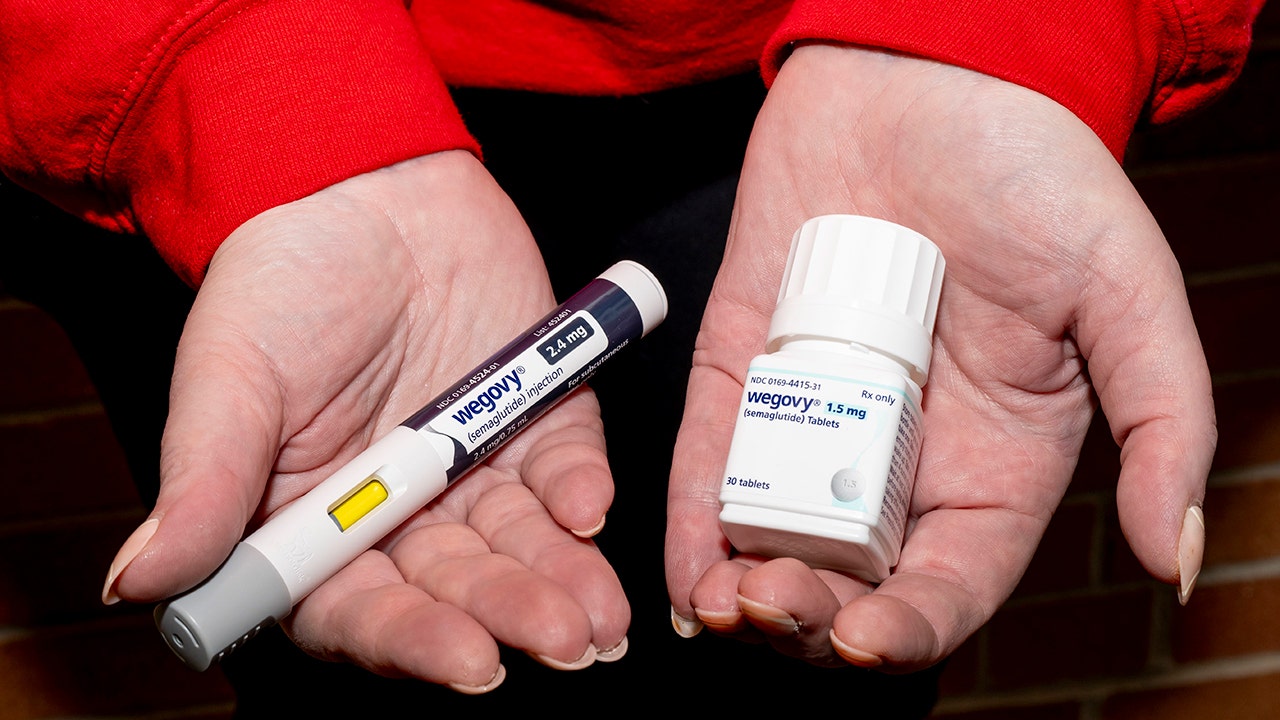
The U.S. Food and Drug Administration has approved a new, higher-dose Wegovy (semaglutide) injection—Wegovy HD at 7.2 mg—for long-term weight loss and weight maintenance in adults with obesity or adults who are overweight with at least one weight-related condition. The FDA said the approval, part of its National Priority Voucher pilot program, was supported by clinical data (including the STEP UP trial) showing greater average weight loss with the higher dose (about 20.7% on average) versus the standard 2.4 mg dose (about 16% on average), with roughly one-third of patients losing 25% or more of body weight. Higher-dose patients with obesity and type 2 diabetes had similar blood sugar lowering compared with the lower dose. The safety profile was consistent with known semaglutide side effects—commonly gastrointestinal symptoms—and the FDA noted more frequent skin sensitivity and burning at the higher dose, which generally resolved or improved with dose reduction; the agency is investigating these effects. The label carries contraindications for patients with a personal or family history of medullary thyroid carcinoma or those with multiple endocrine neoplasia type 2. Experts caution the approval is specifically for obesity management (not routine diabetes dosing), that side effects are meaningful at the higher dose, and that the higher-dose option gives clinicians an evidence-based escalation path for some patients. The article also references industry pricing dynamics and the broader GLP-1 drug landscape.
Biblical Reflection
Scripturally, this story raises several converging concerns and opportunities. The Bible affirms wise stewardship of the body (we are called to care for our physical health), but it also warns against idolizing outward appearance or placing ultimate trust in human solutions. The approval of a more powerful drug that promises greater weight loss can be a genuine gift for many who struggle with obesity and its health consequences—offering relief, restored health, and renewed ability to serve others. Proverbs encourages prudence and seeking counsel: medical interventions should be pursued with sober discernment (Proverbs 11:14; Proverbs 22:3). At the same time, there are ethical and spiritual cautions: the commercialization of health can tempt us to elevate quick fixes, let marketing shape identity, or neglect prevention, community support, and deeper causes of suffering. The increased side-effect profile and unknowns about long-term use call for humility and caution; God’s wisdom invites patients and clinicians to weigh risks and benefits carefully (James 1:5). The corporate and regulatory aspects—rapid approvals under a priority program and pricing/marketing decisions—invite questions of justice, truthfulness, and care for the vulnerable (Micah 6:8). Christians should resist shaming those who struggle with weight, extend compassion, advocate for transparency and fair access, and remember that medical advances are tools to steward, not ultimate saviors. Ultimately, the news is neither purely good nor purely bad: it offers real help for some, presents risks that demand honest disclosure, and exposes cultural pressures that call for gospel-shaped responses of mercy, prudence, and justice.
Scripture in context
This outlook does not yet include contextual Scripture citations. Do not treat a general biblical theme as an exegetical conclusion.
Faithful Response
No prescribed response is offered. Consider the reflection prompts below in your own church context.
Reflection and Discussion
- 1How does my desire for physical change fit with honoring my body as God's temple and trusting God with my identity?
- 2Am I seeking medical interventions out of wisdom and necessity, or because of cultural pressure to conform to a particular appearance?
- 3How can I show compassion and practical support to people wrestling with obesity while advocating for honest medical guidance and fair access?
Sources
Reporting links are evidence inputs; Sanctuary News' biblical reflection is commentary.
This outlook currently relies on fewer than two linked sources. Broaden verification before teaching from it.
- 1.Original reportprimary