News Summary
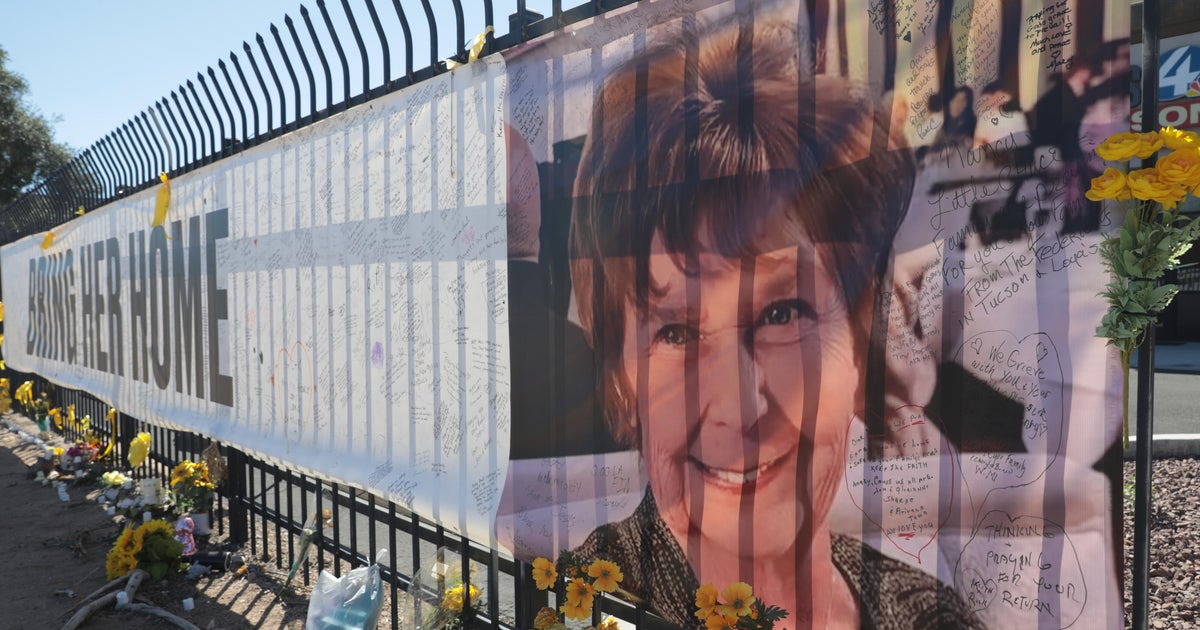
Investigators continue to examine multiple ransom notes tied to the February disappearance of 84-year-old Nancy Guthrie in Tucson. The FBI said some notes have been deemed extortion attempts without legitimacy, while others may be legitimate and remain under investigation; the agency is assisting the Pima County Sheriff's Department and conducting digital forensics. Two early communications (Feb. 2 and Feb. 6) contained details investigators took seriously, including descriptions of Guthrie's Apple Watch placement and a nonworking floodlight; the first demanded roughly $4 million in bitcoin, later increased, and the second—traced to the same IP address—stated the victim had died. The family, working with the FBI, attempted a response but received no further contact. TMZ and its founder Harvey Levin received and forwarded multiple tip messages to authorities, some demanding about 1 bitcoin; Levin said the FBI later asked him not to pursue a documentary plan to follow bitcoin transfers because investigators were close to identifying a sender. Authorities say other incoming messages appear to be opportunistic extortion. Federal prosecutors charged a California man, Derrick Callella, with sending a fake ransom text to the Guthrie family; he pleaded not guilty and has an upcoming hearing in Tucson. The Guthrie family is offering a $1 million reward and the FBI is offering $100,000 for information; investigators continue to treat the case as a kidnapping for ransom.
Biblical Reflection
From a Christian pastoral perspective, this story highlights the tension between desperate families seeking any lead and a public/media ecosystem that can both help and harm. The investigators appear to be distinguishing legitimate leads from opportunistic extortion, which reflects a measured pursuit of truth and the protection of investigative integrity. At the same time, celebrity attention and media involvement create risks: misinformation can retraumatize loved ones, incentivize copycats, and enable profiteering. Christians should resist the impulse to speculate or amplify unverified claims, instead supporting lawful processes, honoring the dignity and privacy of the victim and family, and advocating for justice without eager sensationalism. We can admire investigators’ methodical work while holding public actors—media outlets and individuals—accountable to practices that help, not exploit, those in crisis.
Scripture in context
This outlook does not yet include contextual Scripture citations. Do not treat a general biblical theme as an exegetical conclusion.
Faithful Response
No prescribed response is offered. Consider the reflection prompts below in your own church context.
Reflection and Discussion
- 1How does public and media attention change the incentives around a criminal investigation, and what responsibilities do we have as consumers of that coverage?
- 2When a case involves a public figure’s family, how can Christians balance legitimate interest with protecting victims’ dignity and preventing harm from speculation?
- 3Are authorities being given space and support to investigate thoroughly, or are well-meaning public actions making it harder to find the truth?
Sources
Reporting links are evidence inputs; Sanctuary News' biblical reflection is commentary.
This outlook currently relies on fewer than two linked sources. Broaden verification before teaching from it.
- 1.Original reportprimary