News Summary
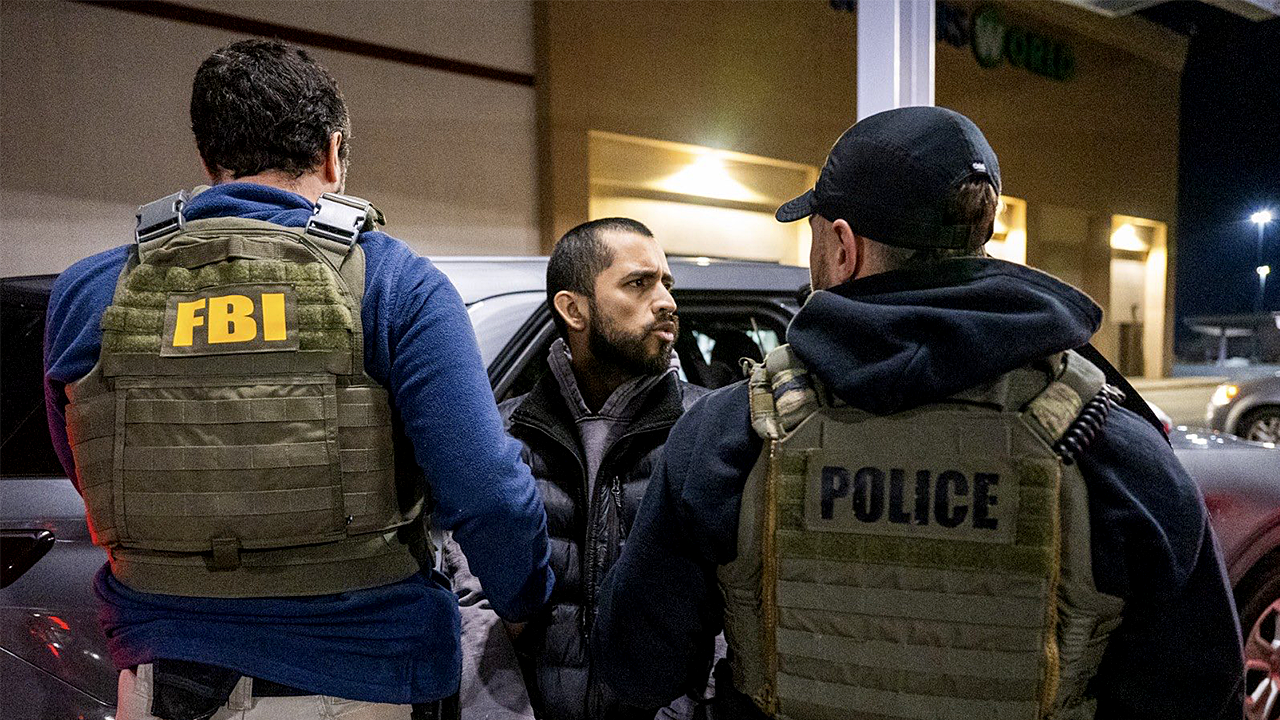
FBI New Haven arrested Danny Antonio Granados-Garcia, a Salvadoran national, in Waterbury, Connecticut. Granados-Garcia had an active El Salvadoran arrest warrant and an Interpol Blue Notice for aggravated homicide in connection with the alleged murder of a pastor in El Salvador (the pastor was related to a Salvadoran police officer). The FBI identified him with assistance from its LEGAT office in San Salvador. After his arrest, he was turned over to U.S. Immigration and Customs Enforcement to facilitate his return to El Salvador. FBI officials reiterated MS-13’s reputation for brutality and the agency’s commitment, with law enforcement partners, to pursue gang members and obtain justice for victims.
Biblical Reflection
From a biblical perspective this story raises two urgent, compatible demands: the pursuit of justice for the innocent and the call to show mercy and avoid dehumanization. Scripture affirms the sanctity of life (Genesis 1:27) and repeatedly condemns violence and the exploitation of the vulnerable (Proverbs 6:16–19). The targeting and killing of a pastor—someone who serves God’s people—heightens the moral seriousness: attacks on religious leaders and communities are attacks on the body of Christ and on public peace.
At the same time, Christians must be careful not to let righteous anger harden into hatred toward entire peoples or immigrant groups. Romans 13 teaches that governing authorities bear responsibility to restrain evil and administer justice; supporting lawful efforts to arrest and return accused violent criminals is consistent with that teaching. Yet Scripture also forbids personal vengeance (Romans 12:19) and calls believers to pray for and seek the restoration of all (Luke 6:27–36).
Practically, the church should grieve with victims, advocate for fair and timely justice, and resist both complacency about criminal brutality and the temptation to stigmatize whole communities. True Christian witness here looks like lament for the murdered pastor, trust in authorities to hold perpetrators accountable, pastoral care for affected families and congregations, and compassionate outreach to communities distorted by gang coercion and violence. Ultimately the gospel calls for repentance and transformation—even for those who have committed great evil—while recognizing the need for public safety and accountability.
Scripture in context
This outlook does not yet include contextual Scripture citations. Do not treat a general biblical theme as an exegetical conclusion.
Faithful Response
No prescribed response is offered. Consider the reflection prompts below in your own church context.
Reflection and Discussion
- 1How can I, as a Christian, pray and act in ways that pursue justice for victims without falling into hatred or xenophobia toward broader communities?
- 2What steps can my church take to support victims of violence and to prevent young people from being drawn into gangs?
- 3How do we hold both law and mercy together—advocating for accountability while offering the hope of repentance and restoration?
Sources
Reporting links are evidence inputs; Sanctuary News' biblical reflection is commentary.
This outlook currently relies on fewer than two linked sources. Broaden verification before teaching from it.
- 1.Original reportprimary