News Summary
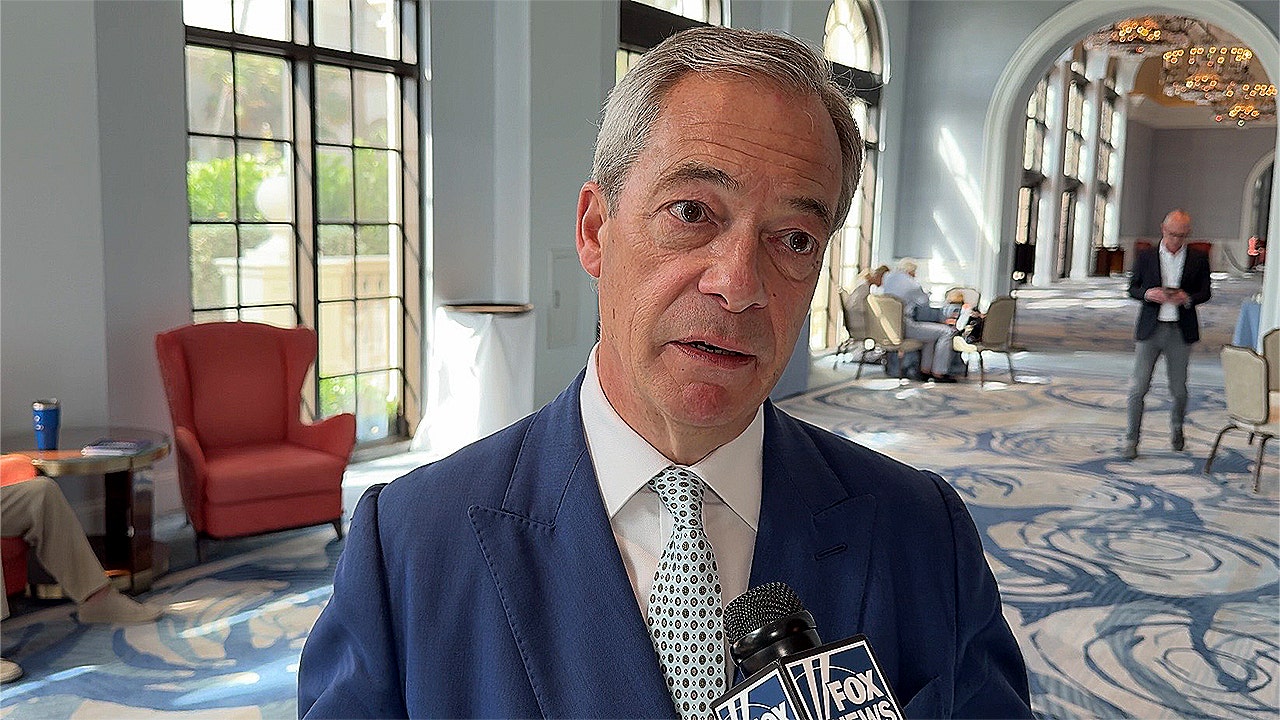
The article details recent tensions between the U.S. and U.K. over military strategy in the Middle East. Nigel Farage, leader of the Reform UK party, criticizes British Prime Minister Keir Starmer for his initial refusal to allow the U.S. to use the British-controlled Diego Garcia military base for strikes against Iran. After pressure from President Donald Trump, Starmer allowed the base's use for 'defensive' purposes but maintained a policy against joining U.S. military actions targeting Iran. Farage also expresses concern about Starmer's intent to transfer sovereignty of the Chagos Islands (where Diego Garcia is located) to Mauritius, arguing this would jeopardize the U.S.-U.K. military alliance and strategic interests. Despite the current diplomatic strain, Farage believes the historic 'special relationship' between the nations can recover.
Biblical Reflection
From a biblical perspective, this article highlights the complex interplay of national interests, alliances, and the use of military power. The rhetoric of condemnation, the jockeying for strategic advantage, and the threat of fractured relationships reflect the fallen nature of human politics. Scripture consistently cautions against pride, strife, and reliance on military might (Psalm 20:7), exhorting leaders to seek wisdom, justice, and peace. The lack of willingness to dialogue and the escalation of threats can be seen as contrary to the biblical call to be peacemakers (Matthew 5:9). While the defense of one’s nation and alliances are not inherently unbiblical, the prioritization of power and pride over peacemaking and humility raises concerns. Christians are called to pray for leaders (1 Timothy 2:1-2), that they would pursue just policies, wisdom, and reconciliation rather than division, and to remember that true security is not found in political maneuvering but in the sovereignty of God.
Scripture in context
This outlook does not yet include contextual Scripture citations. Do not treat a general biblical theme as an exegetical conclusion.
Faithful Response
No prescribed response is offered. Consider the reflection prompts below in your own church context.
Reflection and Discussion
- 1In what ways do I respond to conflict—whether national or personal—with pride or with a spirit of peacemaking?
- 2How can I pray for wisdom and humility for leaders facing difficult international decisions?
- 3What does it look like to trust God’s sovereignty in situations where nations seem divided and contentious?
Sources
Reporting links are evidence inputs; Sanctuary News' biblical reflection is commentary.
This outlook currently relies on fewer than two linked sources. Broaden verification before teaching from it.
- 1.Original reportprimary