News Summary
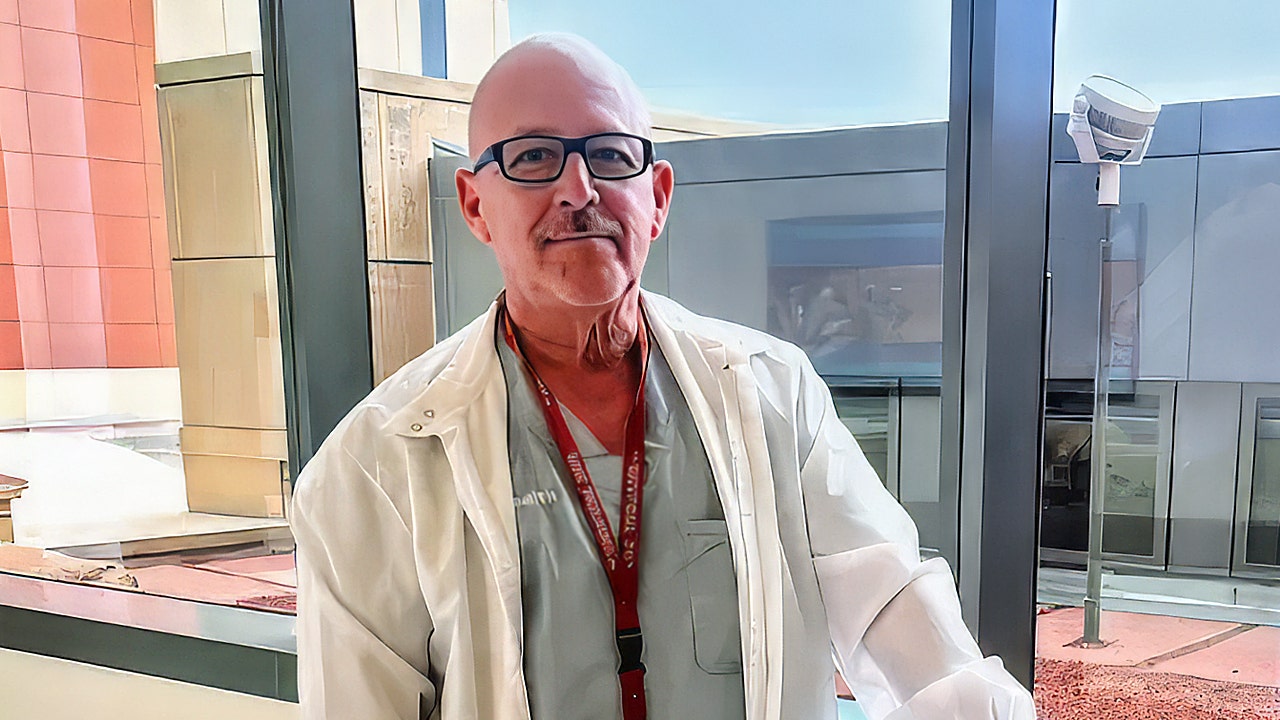
A family in Downey, California, has filed a $40 million claim against the city after 68-year-old lab technician Reinaldo Lefonts was allegedly stabbed and killed while charging his electric car outside the Downey City Library. Police say the suspect, identified as Giovanni Navarro, is a homeless man with 28 prior convictions and had reportedly been arrested for trespassing less than 24 hours earlier. The family's attorney argues the city knew the area was a longstanding high-crime location—with hundreds of police calls and a prior officer murder in the same lot—and failed to protect residents using public services. The situation was further complicated when another homeless man allegedly stole an ambulance that arrived at the scene, leading to a police chase and crash. The city had not immediately commented in the report.
Biblical Reflection
This story raises several overlapping moral concerns Scripture invites us to hold simultaneously: compassion for the vulnerable, righteous anger at injustice, insistence on accountability, and the sober recognition of communal responsibility. The grief of the Lefonts family is raw and understandable; the Bible models honest lament (e.g., many Psalms) and demands that those who do wrong be held to account (Proverbs, the prophetic literature). At the same time, Scripture calls the community and its leaders to protect the weak and to administer justice (Micah 6:8; Romans 13:1–4). If a city knowingly provides services in an area it recognizes as dangerous without measures to protect people, there is a moral and civic failure that Christians should name and press to correct. That does not excuse individual evil—the alleged stabbing is a grave sin and crime—but it does widen culpability to systems and decisions that make harm more likely. Christians must resist two temptations: a rush to vengeful condemnation toward individuals (Romans 12:19 counsels restraint and trust in God's justice) and a cold indifference to structural failures that leave people exposed. The faithful response is to mourn with those who mourn, seek justice through lawful means, advocate reforms that protect the vulnerable (public safety, crisis intervention, homelessness resources, custody and parole practices), and pray for true repentance and restoration where possible. Finally, the reality of repeat offending points to failures in rehabilitation and public safety systems; a Christian ethic calls for both mercy and prudent stewardship of the public good so that neighbors are not put at risk.
Scripture in context
This outlook does not yet include contextual Scripture citations. Do not treat a general biblical theme as an exegetical conclusion.
Faithful Response
No prescribed response is offered. Consider the reflection prompts below in your own church context.
Reflection and Discussion
- 1How can I mourn and stand with victims’ families while also praying for justice and humane reform in systems that allow repeat offending?
- 2In what concrete ways should Christians advocate for both compassion (for the vulnerable and marginalized) and protective measures (for public safety) in our communities?
- 3Amid anger and grief, how am I seeking God’s guidance so my response reflects both truth and grace?
Sources
Reporting links are evidence inputs; Sanctuary News' biblical reflection is commentary.
This outlook currently relies on fewer than two linked sources. Broaden verification before teaching from it.
- 1.Original reportprimary