News Summary
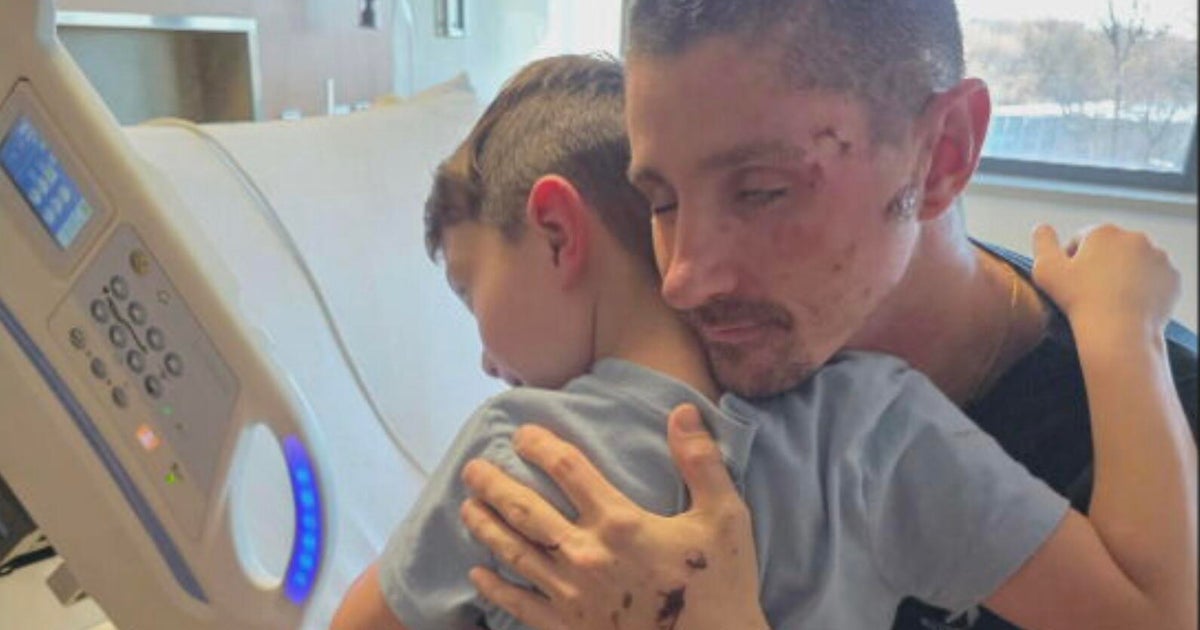
On March 1, 2026, an Iranian drone struck a U.S. work station at Port of Shuaiba, Kuwait, killing six soldiers and wounding more than 20. Defense Secretary Pete Hegseth previously said nearly 90% of the roughly 400 injured American service members had only minor injuries and had returned to duty. Several wounded soldiers and family members told CBS News their injuries were more serious than the Army's public classifications indicate. Examples cited include Chief Warrant Officer Rodney Bearman, who sustained shrapnel wounds, concussion, hearing and vision loss, and lung damage but whose condition the Army classified as “not seriously injured,” and Sergeant First Class Cory Hicks, who suffered severe shrapnel wounds, multiple surgeries, and remains in a soldier recovery unit with traumatic brain injury. Families say some soldiers were told their injuries were “minor” or returned to duty, while military spokespeople say classifications like “not seriously injured” and the labels “seriously/very seriously injured” have specific definitions (the Army says “seriously/very seriously” denote life-threatening wounds within 72 hours). Some wounded were assigned to soldier recovery units; Pentagon officials told CBS that soldiers in recovery units are not counted as returned to duty. CBS previously reported that there were prior warnings and requests for more force protection and medical resources at the post; Senate Democrats opened an inquiry. The Army says an investigation into the attack is complete and that findings will be released after next of kin are briefed. Congressional and family inquiries have sought clarification on classifications and care.
Biblical Reflection
From a Christian perspective this story raises two related concerns: truthfulness and care for the vulnerable. The military’s technical injury classifications appear to be fact-based, but they also risk minimizing long-term suffering when presented without context; families’ accounts suggest lived realities that diverge from official language. Institutions often use formal definitions for clarity, but Christians should press for communication that does not obscure human cost or diminish sacrifice. The duty of care owed to wounded service members and their families is both practical and moral: transparency, honest communication, timely medical support, and advocacy are ways a society honors those who serve. At the same time, avoid assuming bad faith where procedural definitions may explain discrepancies; pursue accountability without dehumanizing individuals who must make rapid, complex decisions in wartime. Advocating for clear reporting, compassionate treatment, and independent oversight aligns with biblical imperatives to seek truth, protect the weak, and bear one another’s burdens.
Scripture in context
This outlook does not yet include contextual Scripture citations. Do not treat a general biblical theme as an exegetical conclusion.
Faithful Response
No prescribed response is offered. Consider the reflection prompts below in your own church context.
Reflection and Discussion
- 1How might technical classifications and shorthand language shape public sympathy and the care soldiers actually receive?
- 2Who is responsible for bridging the gap between official definitions and the lived reality of injured service members and their families?
- 3When institutions use narrow criteria for public statements, what safeguards should Christians call for to ensure truth and compassion for the vulnerable?
Sources
Reporting links are evidence inputs; Sanctuary News' biblical reflection is commentary.
This outlook currently relies on fewer than two linked sources. Broaden verification before teaching from it.
- 1.Original reportprimary