News Summary
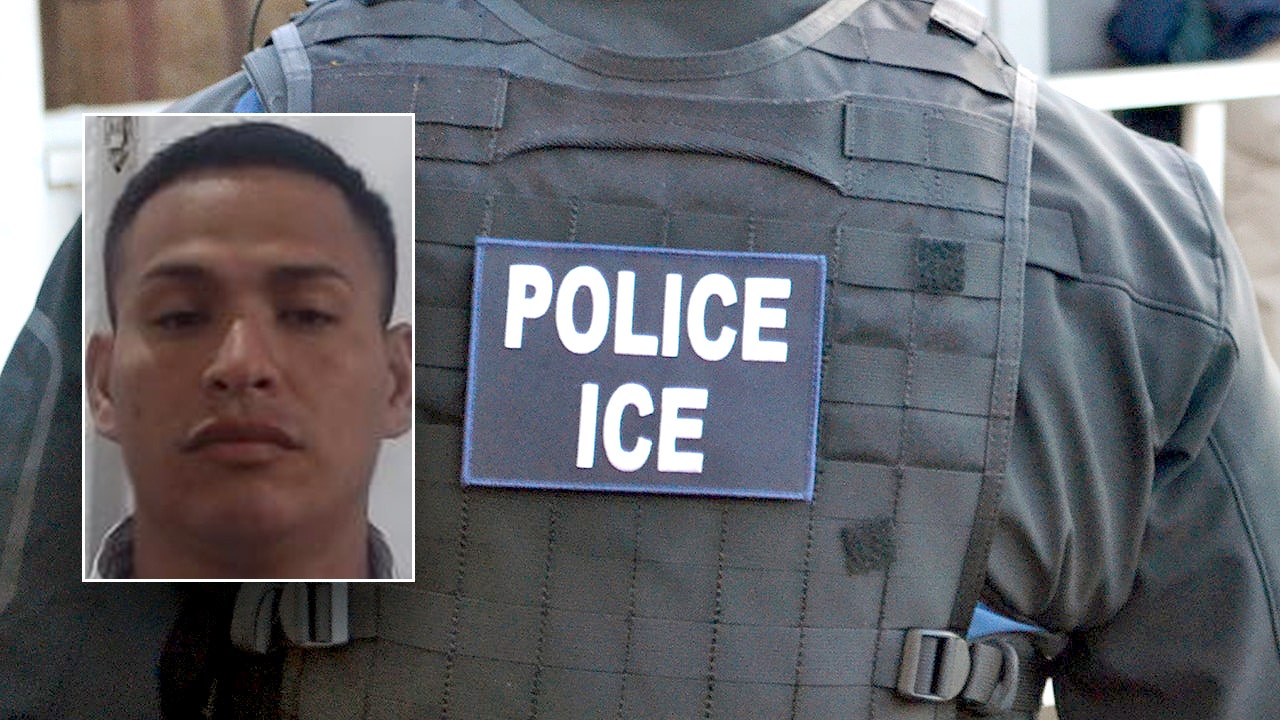
Federal and local officials are disputing the handling of Moises Domingo Rico Rosales, a Nicaraguan national arrested in 2026 on charges of abduction with intent to defile and indecent exposure after two incidents at Wakefield Park in Annandale, Virginia. DHS states Rico Rosales entered the U.S. illegally in Arizona in 2022 and was previously arrested in Fairfax County in 2024 on felony drug trafficking charges but released after local officials did not honor an ICE detainer. Fairfax County's Commonwealth’s Attorney office says the 2024 drug charges were dropped for prosecutorial reasons; the sheriff’s office says ICE filed an “informal request” in 2024 and did not obtain a judicial warrant before a court-ordered release, and that its policy is to require a judicial warrant or criminal detainer to hold someone past release. DHS and acting ICE officials criticized local “sanctuary-style” policies; local officials and the governor's office say Virginia continues cooperating with federal authorities when lawful orders exist and emphasize prosecutorial discretion and legal constraints. The current case has renewed attention on Fairfax’s policies after earlier high-profile incidents prompted congressional questioning of local officials and wider debate about detainers and public safety.
Biblical Reflection
This story sits at the intersection of legitimate public-safety concerns, the rule of law, and obligations to treat migrants humanely. The factual claims in the article are contested by local officials: DHS presents a narrative that an undocumented person was released despite federal requests, while the sheriff and prosecutor point to legal and procedural limits (no judicial warrant, prosecutorial discretion) that shaped outcomes. The piece's framing and repeated references to political donors and charged language indicate a partisan lens that emphasizes individual culpability to critique sanctuary policies; readers should note contested facts and the difference between an ICE civil detainer and a judicial criminal warrant. From a Christian pastoral perspective, we are called both to protect vulnerable neighbors and to seek justice tempered with mercy. That requires advocating for transparent, lawful procedures that keep communities safe, support truthful reporting of contested facts, and pursue policies that reduce recidivism and prevent harm (e.g., effective prosecution, rehabilitation, clearer interagency protocols), while also remembering the dignity of migrants and the complexity of legal constraints. Christians should resist simplistic scapegoating and insist on policy solutions that are honest about trade-offs and centered on protecting the vulnerable, promoting truth, and pursuing peace.
Scripture in context
This outlook does not yet include contextual Scripture citations. Do not treat a general biblical theme as an exegetical conclusion.
Faithful Response
No prescribed response is offered. Consider the reflection prompts below in your own church context.
Reflection and Discussion
- 1How does the distinction between a civil ICE detainer and a judicial warrant change who is responsible for holding or releasing a detainee, and how might that affect public safety and accountability?
- 2What assumptions or political frames in this coverage might lead us to scapegoat policies or people rather than examine systemic failures and concrete procedural gaps?
- 3Are there policy changes—better interagency communication, clearer legal standards, or strengthened prosecution and rehabilitation options—that could reduce future harms without abandoning the rule of law or human dignity?
Sources
Reporting links are evidence inputs; Sanctuary News' biblical reflection is commentary.
This outlook currently relies on fewer than two linked sources. Broaden verification before teaching from it.
- 1.Original reportprimary