News Summary
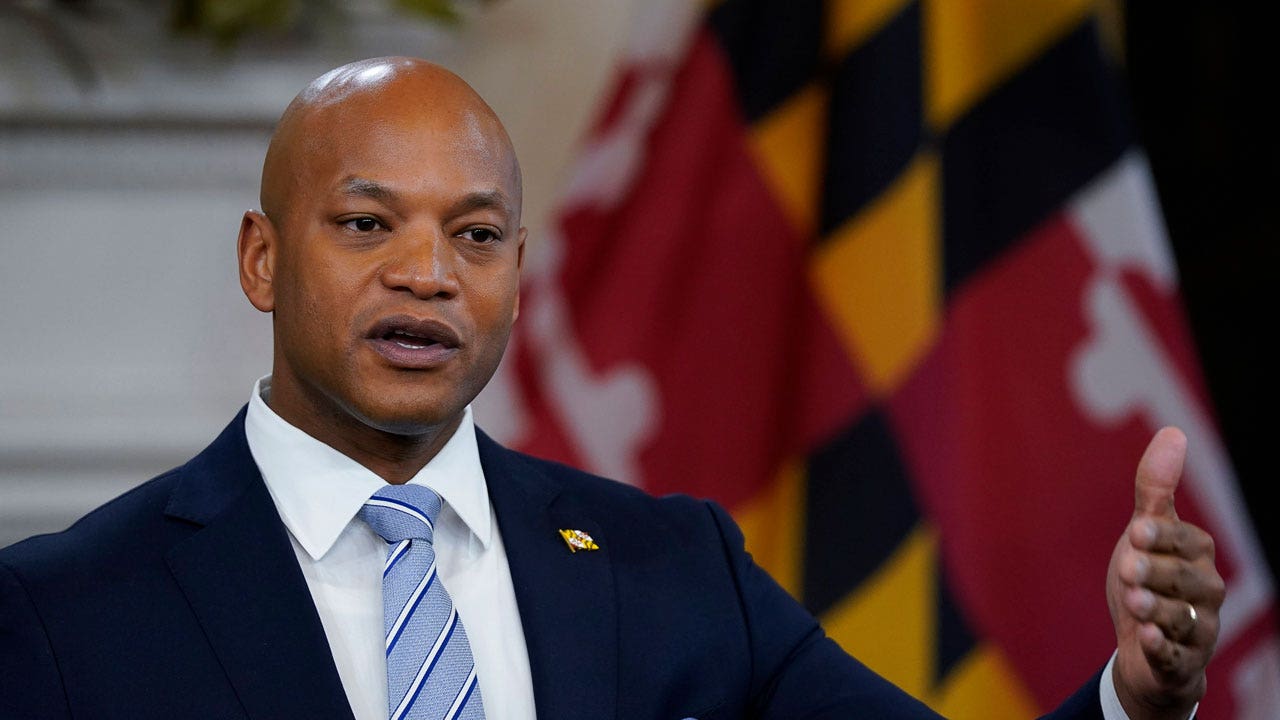
This Fox News opinion piece by Dale L. Wilcox of the Federation for American Immigration Reform (FAIR) reports that FAIR filed a federal lawsuit in the U.S. District Court for the District of Maryland on behalf of 17 of Maryland’s 24 county sheriffs. The plaintiffs challenge Maryland’s recently enacted “Community Trust Act,” which the article describes as limiting local correctional facilities’ ability to honor ICE detainers, share certain information with federal immigration authorities, or detain removable noncitizens beyond their scheduled release without judicial warrants except in narrow circumstances. FAIR and the sheriffs say the law forces local officers to choose between complying with federal immigration enforcement and obeying the state statute, and they argue it violates the Supremacy Clause and undermines public safety. The piece cites specific victims whose families spoke at a press conference and attributes their deaths to lax immigration enforcement. It also states that Gov. Wes Moore allowed the bill to become law without his signature. The article asserts that sanctuary policies increase crime and that FAIR will pursue legal avenues to overturn the law. (The article is presented as opinion/advocacy rather than as neutral reporting.)
Biblical Reflection
From a Christian pastoral perspective, the article raises several legitimate concerns — respect for the rule of law, the protection of innocent people, and the pastoral sorrow for victims of violent crime. Those are important goods. At the same time, the piece is advocacy journalism: it is written by an immigration‑policy organization with a particular policy aim and uses emotionally powerful individual tragedies to press a case for broad legal and policy change. Christians should notice two things: first, claims that sanctuary laws causally produce higher crime rates require careful empirical support and legal analysis; correlation or anecdote alone does not settle complex constitutional and public‑safety questions. Second, the framing often sets two goods — public safety and mercy to migrants — in stark opposition. A biblical ethic calls us to pursue justice and protect the vulnerable while remembering the intrinsic dignity of every person, including immigrants. Practically, this means pressing for thorough, transparent evidence in public debate, advocating for laws that protect communities and uphold due process, and resisting rhetoric that dehumanizes whole groups. Where officials and sheriffs raise constitutional concerns, those should be adjudicated through the courts with charity and patience. Christians can pray and work for policies that reduce harm, repair victims’ lives, hold perpetrators accountable, and welcome the stranger in ways that honor both justice and mercy.
Scripture in context
This outlook does not yet include contextual Scripture citations. Do not treat a general biblical theme as an exegetical conclusion.
Faithful Response
No prescribed response is offered. Consider the reflection prompts below in your own church context.
Reflection and Discussion
- 1What evidence does this article present for cause-and-effect between sanctuary policies and crime, and what additional sources would help you evaluate that claim?
- 2How does the article’s advocacy perspective shape which voices and examples are highlighted, and whose experiences might be underrepresented in the narrative?
- 3In weighing rule-of-law concerns against mercy toward migrants, what principles should guide Christians when engaging public policy debates?
Sources
Reporting links are evidence inputs; Sanctuary News' biblical reflection is commentary.
This outlook currently relies on fewer than two linked sources. Broaden verification before teaching from it.
- 1.Original reportprimary