News Summary
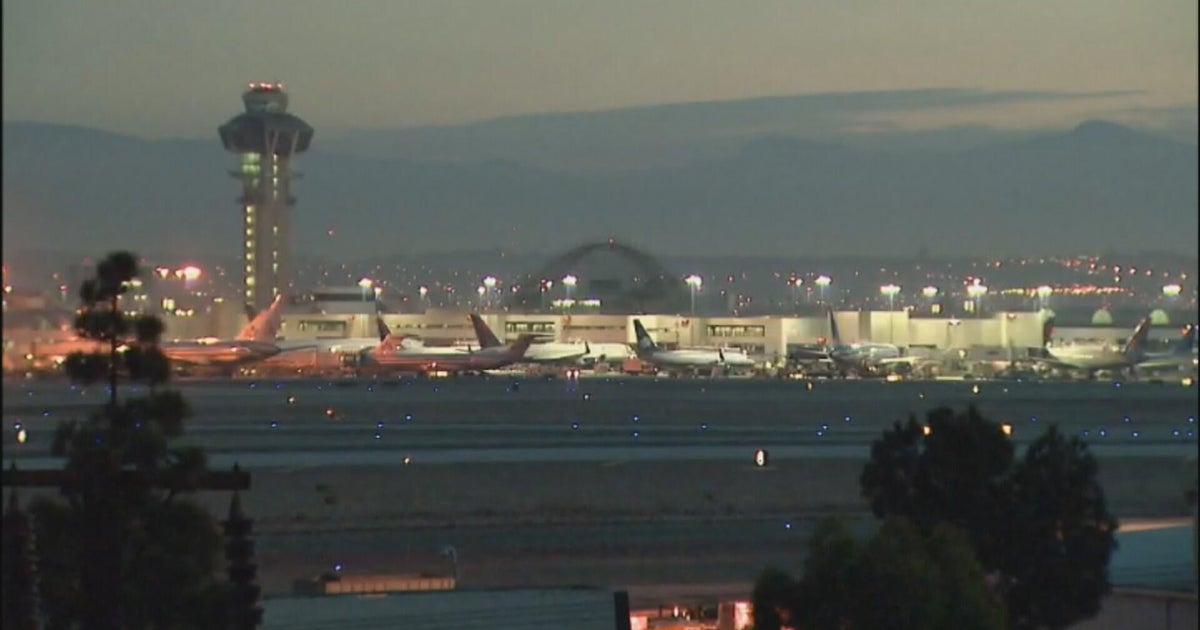
On April 10, 2026, the Federal Aviation Administration opened an investigation after a Frontier Airlines aircraft nearly collided with two trucks on a taxiway at Los Angeles International Airport (LAX). The flight had 217 passengers and seven crew members on board. Audio of the pilot speaking to air traffic control captured the pilot saying two trucks "cut us off" and that they had to brake to avoid hitting them; the pilot later reported checking on flight attendants and described the event as very close. The aircraft was taxiing at low speed (reported at roughly 15 mph), and no injuries or equipment damage were reported. LAX had not released information about the truck drivers. Aviation experts quoted in the report said portions of LAX taxiways are in blind spots from tower ground control, which may have prevented controllers from seeing the incident. The article contrasted this event with a recent deadly collision at New York’s LaGuardia Airport, noting key differences such as vastly higher speeds and different circumstances in that earlier accident. Experts characterized the LAX event as a near-miss that offers lessons for safety improvements.
Biblical Reflection
This report is primarily factual and restrained in tone: it documents an operational near-miss, quotes the pilot and experts, and notes an ongoing FAA investigation. The piece emphasizes human quick-thinking (the pilots' actions) and systemic vulnerability (blind spots and intersecting vehicle lanes). From a biblical perspective, several themes emerge. First, the incident reminds us of human fallibility and the need for wise stewardship of public systems—airports, controllers, and ground vehicle operators—all of which carry responsibility for others' safety (Romans 13:1–7 speaks to ordered authority and responsibility). Second, the media framing leans toward reassurance (no injuries, low taxi speed, praise for pilots) while acknowledging systemic risk; that balance can help prevent panic but may under-emphasize accountability for those who breached safety protocols. Christians should resist simplistic readings that either sensationalize danger or dismiss the need for institutional change. Instead, we should hold both gratitude (for the lack of harm) and sober concern for prevention: pray for those affected, support transparent investigation, and advocate for practical safety improvements as acts of neighbor-love and stewardship. Finally, experts’ language about lessons learned (“written in blood” vs. a “get-out-of-jail-free lesson”) is a sober moral indictment: when God spares us from harm, gratitude ought to spur corrective action rather than complacency.
Scripture in context
This outlook does not yet include contextual Scripture citations. Do not treat a general biblical theme as an exegetical conclusion.
Faithful Response
No prescribed response is offered. Consider the reflection prompts below in your own church context.
Reflection and Discussion
- 1What institutional or infrastructural weaknesses does the article point to, and does the coverage press for transparency and corrective action beyond praising immediate response?
- 2Does the report's tone (reassuring because no one was hurt) risk minimizing the need for accountability and systemic fixes?
- 3How should Christians balance gratitude that a tragedy was averted with a commitment to advocate for practical safety measures that protect neighbors?
Sources
Reporting links are evidence inputs; Sanctuary News' biblical reflection is commentary.
This outlook currently relies on fewer than two linked sources. Broaden verification before teaching from it.
- 1.Original reportprimary