News Summary
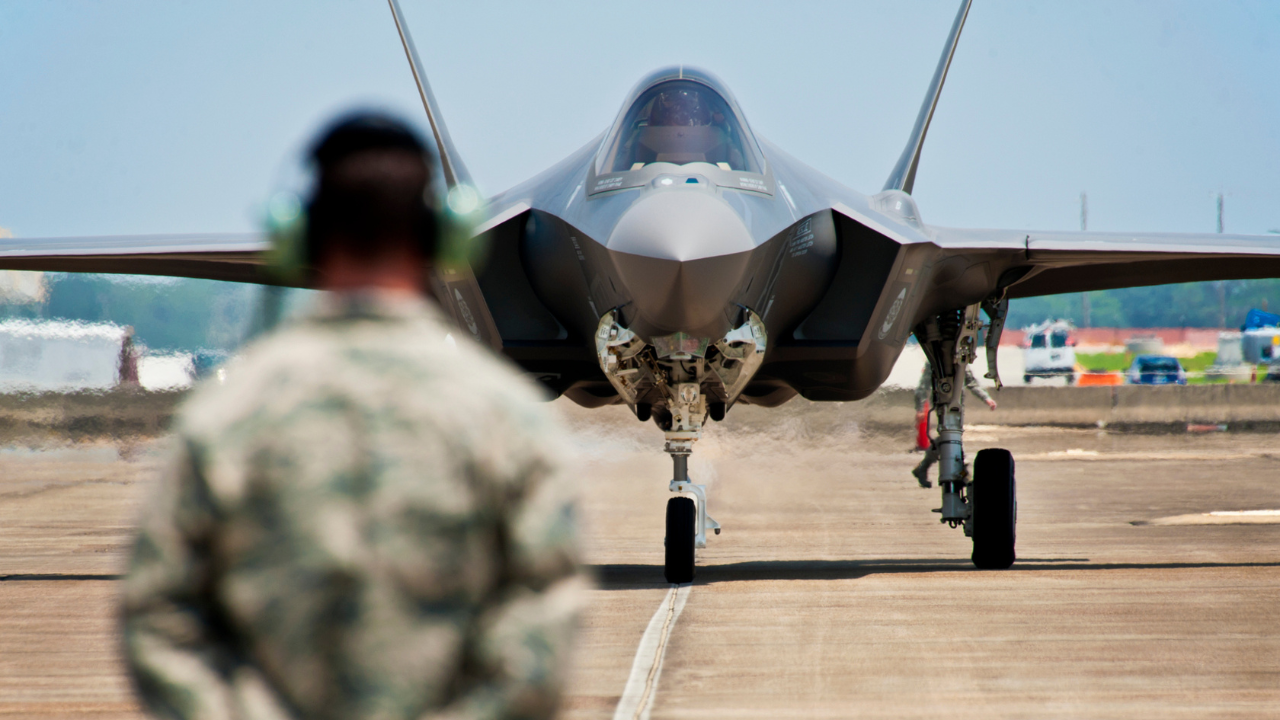
At the NATO summit in Ankara, President Donald Trump publicly indicated two potential policy shifts: he suggested the U.S. might clear Turkey to rejoin the F-35 program and said he might grant Ukraine a license to produce Patriot missile interceptors. The article reports that Turkey was removed from the F-35 program in 2019 after purchasing the Russian S-400 system, which raised operational security concerns; Turkish pilots and six jets were grounded at that time. The piece also describes current U.S. efforts to speed Patriot production — including a nearly $10 billion contract to Lockheed Martin and a new Boeing facility in Huntsville — and notes that NATO allies and partners have been supplying Patriot batteries and interceptors to Ukraine. Analysts and officials quoted in the article say Ukrainian local industry might join the Patriot supply chain but that full Ukrainian production of complete Patriot batteries is not imminent. The article frames Trump’s statements as signaling continued U.S./NATO support for Ukraine’s air-defense capabilities and as a deterrent to Russia.
Biblical Reflection
From a Christian perspective, the article highlights both legitimate care for vulnerable populations and the moral complexity of military support. Protecting civilians from missile strikes and helping an ally defend itself reflect stewardship of life and neighbor-love; supplying or licensing advanced weapons can be an expression of that protection. At the same time, rapid public promises about transfers or licensing risk inflating expectations, creating false certainty, and contributing to escalation if not paired with sober diplomacy and oversight. The piece is an opinion-oriented news analysis with pro-U.S./pro-Trump framing and some rhetorical flourishes (e.g., "stunned the world") that emphasize symbolism. Readers should note the difference between symbolic political messaging and the technical, legal, and industrial realities that determine how and when weapons actually move. Christians should weigh the demands of justice (defending the innocent), prudence (avoiding unnecessary escalation), and humility (acknowledging limits of power) when assessing such policy moves. Support for allies can be an act of neighbor-love, but it must be accompanied by clear aims toward lasting peace, transparency, and care for civilians caught in the conflict.
Scripture in context
This outlook does not yet include contextual Scripture citations. Do not treat a general biblical theme as an exegetical conclusion.
Faithful Response
No prescribed response is offered. Consider the reflection prompts below in your own church context.
Reflection and Discussion
- 1Does the article distinguish between political signaling and the concrete, technical steps required to transfer or license complex weapons systems?
- 2How does the framing prioritize deterrence and national interest over efforts at diplomacy and civilian protection, and what assumptions about security underlie that choice?
- 3What responsibilities do Christian citizens and leaders have when a policy of military support may protect some civilians while increasing risks for others or extending a conflict?
Sources
Reporting links are evidence inputs; Sanctuary News' biblical reflection is commentary.
This outlook currently relies on fewer than two linked sources. Broaden verification before teaching from it.
- 1.Original reportprimary