News Summary
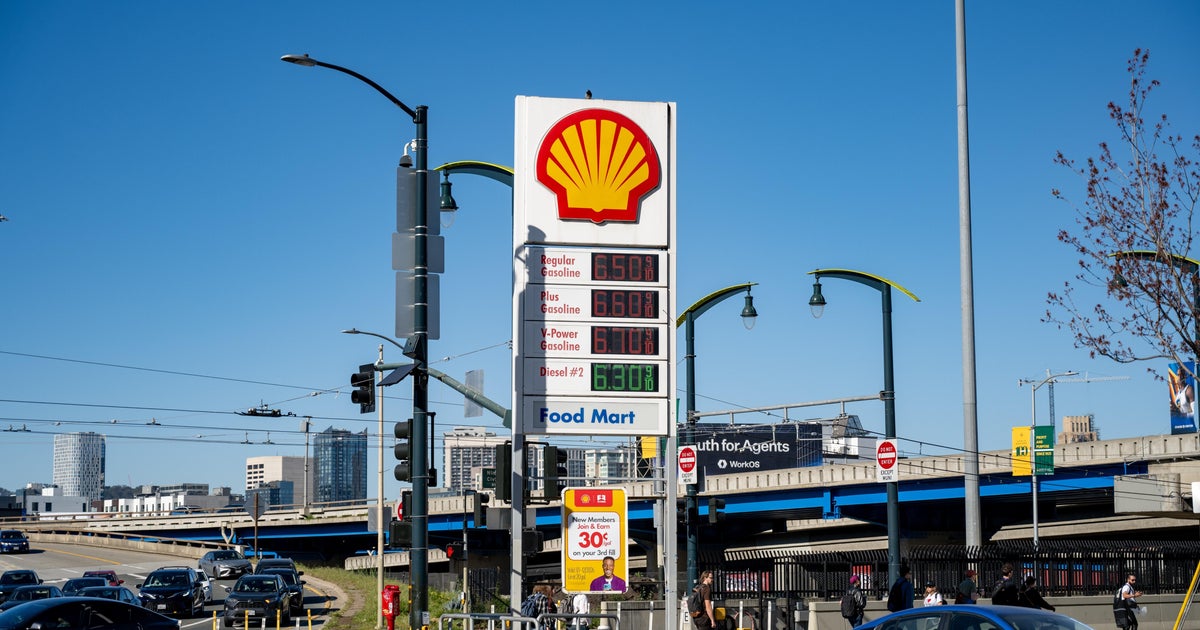
The article reports that U.S. gas prices have risen to $3.72 per gallon (up about 74 cents or 25% since the war in the Middle East began), and that elevated prices are likely to continue. It offers three practical ways drivers can improve fuel economy: (1) keep tires properly inflated — the U.S. Department of Energy estimates this can improve mileage by about 3% (some estimates up to 10%); (2) reduce and steady highway speeds — experts recommend around 65 mph as an efficient cruising speed and note that reducing highway speed by 5–10 mph can improve mileage up to 14%; and (3) avoid aggressive driving — rapid acceleration and braking can reduce fuel economy by roughly 15–30% on the highway and 10–40% in stop-and-go traffic, so coast to stops and use cruise control when appropriate. Sources cited include AAA, the U.S. Department of Energy, Kelley Blue Book, and personal finance outlets.
Biblical Reflection
This article is practical and largely aligns with biblical wisdom about prudent stewardship. Scripture repeatedly commends careful, wise management of resources (e.g., saving, avoiding waste, and acting prudently). Simple, everyday practices like proper tire inflation, moderate speeds, and gentle driving reflect the stewardship ethic: small, faithful choices preserve resources and help households shoulder economic pressures. The story also points to larger moral concerns. The article notes a geopolitical cause (war) driving prices — reminding us that distant conflicts produce local needs and suffering. A Christian response is twofold: 1) personal and communal wisdom — adopt the practical tips as acts of stewardship and consider additional steps such as carpooling, combined errands, or supporting community ride-shares to relieve financial strain; and 2) compassion and justice — pray for peace, advocate for policies that protect the vulnerable, and intentionally help neighbors hit hardest by price increases. Beware of allowing anxiety, blame, or hoarding to shape reactions; Scripture calls us to trust, to act responsibly, and to care for those in need. Overall, the article scores well on a "scriptural temperature" for promoting wise use of God’s gifts, but the broader situation invites prayer, advocacy for peace, and practical charity toward those burdened by rising costs.
Scripture in context
This outlook does not yet include contextual Scripture citations. Do not treat a general biblical theme as an exegetical conclusion.
Faithful Response
No prescribed response is offered. Consider the reflection prompts below in your own church context.
Reflection and Discussion
- 1What small, practical changes can I make this week to steward my resources more wisely (transportation, energy, finances)?
- 2Who in my church or neighborhood is most burdened by rising fuel costs, and how can I help them practically?
- 3Am I responding to economic stress with fear or faith, and how does that affect my generosity and witness?
Sources
Reporting links are evidence inputs; Sanctuary News' biblical reflection is commentary.
This outlook currently relies on fewer than two linked sources. Broaden verification before teaching from it.
- 1.Original reportprimary