News Summary
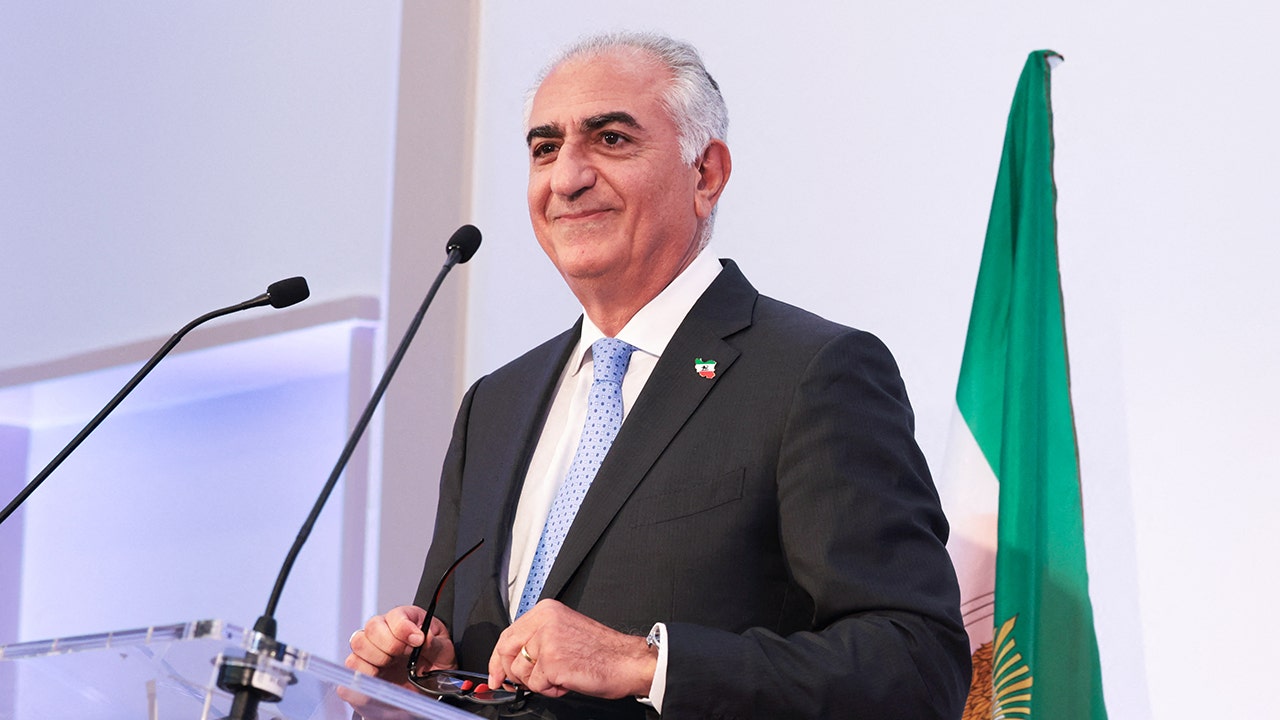
Exiled Iranian crown prince Reza Pahlavi said he is prepared to lead a transitional government “as soon as the Islamic Republic falls,” claiming he has developed a transition plan and identified capable individuals inside and outside Iran to establish order and democratic governance. Pahlavi, who has lived abroad since the 1979 revolution, framed his plans within an "Iran Prosperity Project" and emphasized that any future leadership should be chosen by the people through free elections. His statements came as the conflict in Iran entered a third week, during which nearly 50 regime figures were reported killed and Supreme Leader Ayatollah Ali Khamenei was reported killed; Iran’s Assembly of Experts reportedly elected Mojtaba Khamenei as the new supreme leader. Pahlavi called for a clean break from the current regime and urged foreign governments to support the Iranian people's right to determine their own government. He has publicly praised recent actions by former U.S. President Donald Trump and appeared on U.S. media to discuss his readiness to assume leadership in a transition.
Biblical Reflection
From a biblical perspective, the news touches on several clear moral themes. The desire for justice, freedom, and an end to oppression resonates with Scripture’s repeated concern for the oppressed (e.g., Isaiah’s denunciations of unjust rulers and the call to seek justice). Pahlavi’s emphasis on a peaceful, democratic transition and the ballot box aligns with Christian concerns for human dignity and the right of people to participate in their governance. At the same time, Christians must be wary of the dangers of power and pride: Scripture warns that leaders can easily become instruments of self-interest or new forms of oppression (Proverbs and the prophets consistently critique corrupt authority). The prospect of foreign intervention, violent conflict, or rapid power shifts also raises the biblical priority of protecting innocent life and pursuing peace (Matthew 5:9). Therefore, while Christians can hope and pray for a just outcome for the Iranian people, they should temper enthusiasm for any single human leader as a savior, insist on humility, transparency, and accountability for those who would lead, and prioritize the protection of civilians and the long-term flourishing of communities. Christian response should combine prayer for justice and peace, care for those who suffer, discernment about political promises, and a commitment to advocate for processes that secure human dignity rather than trading one coercive regime for another.
Scripture in context
This outlook does not yet include contextual Scripture citations. Do not treat a general biblical theme as an exegetical conclusion.
Faithful Response
No prescribed response is offered. Consider the reflection prompts below in your own church context.
Reflection and Discussion
- 1How can I pray for the people of Iran in a way that reflects both a desire for justice and a commitment to peaceful outcomes?
- 2Do I find myself placing hope in a human leader or political solution rather than in God’s sovereignty and care for the oppressed?
- 3What practical steps can I or my community take to support human dignity and protect innocent life when regimes change or conflict escalates?
Sources
Reporting links are evidence inputs; Sanctuary News' biblical reflection is commentary.
This outlook currently relies on fewer than two linked sources. Broaden verification before teaching from it.
- 1.Original reportprimary