News Summary
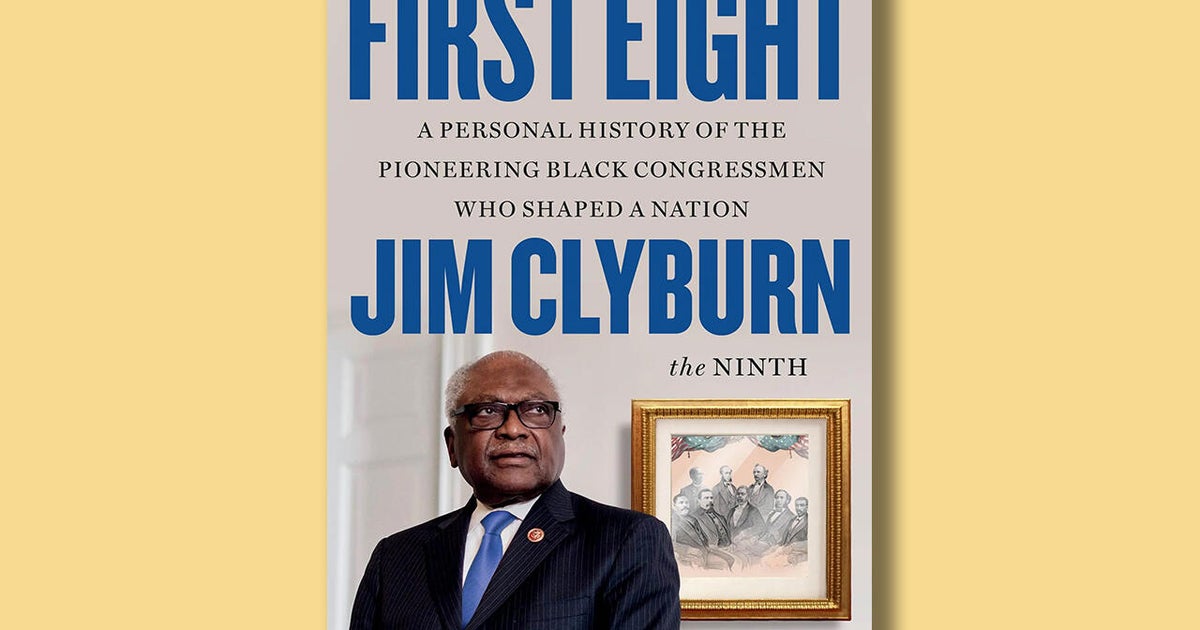
CBS News published an excerpt from Jim Clyburn's book The First Eight: A Personal History of the Pioneering Black Congressmen Who Shaped a Nation (Little, Brown & Co., 2025). In the excerpt Clyburn recounts the lives and public service of the first eight Black men elected to Congress from South Carolina — Richard Harvey Cain, Robert Brown Elliott, Robert Carlos De Large, Alonzo Jacob Ransier, Thomas Ezekiel Miller, Joseph Hayne Rainey, Robert Smalls, and George Washington Murray — describing their varied backgrounds (some born free, some born enslaved, some migrants from the North), how they rose to leadership during and after the Reconstruction era, and the violent political backlash led by white Redeemer Democrats that undermined their efforts. Clyburn explains why the First Eight were Republicans in the nineteenth century and traces the later realignment of many Black voters toward the Democratic Party during the twentieth century. He notes his own place as the ninth Black congressman from South Carolina (first elected 1992), describes displaying portraits of the First Eight in his congressional office, and explains editorial choices in language (using "enslaved," capitalizing "Black," avoiding racial slurs). The excerpt also references Clyburn's personal faith background, civil-rights activism (NAACP, SNCC), and the book's aim to restore fuller memory of these men and their contributions to American democracy. The CBS item also promoted an interview with Clyburn on CBS Sunday Morning.
Biblical Reflection
Clyburn's excerpt seeks to correct historical erasure by centering the lives and public service of Black leaders during Reconstruction. From a Christian perspective, that project aligns with biblical concerns for truth-telling, remembering the oppressed, and affirming the dignity of persons made in God's image (see Micah 6:8). His emphasis on faith and fortitude in the lives of these men models how religious conviction can sustain public courage. At the same time, readers should note Clyburn's interpretive choices and contemporary framing: he uses charged labels ("Redeemer Democrats") and a present-day partisan lens to explain nineteenth- and twentieth-century party affiliation. Historically, his broad explanation of party realignment is accurate in outline, but political labels and motivations are complex; Christians should hold such historical-political claims with charitable scrutiny rather than partisan certitude. The excerpt's corrective aim — to recover omitted witnesses in our national story — is a providential work of memory and justice. The pastoral challenge is twofold: celebrate the courage and service of these leaders and allow their stories to prod believers toward repentance for communal sins (racism, exclusion) and toward constructive, reconciliatory work that seeks justice, mercy, and humility. Finally, be wary of turning historical recovery into mere political ammunition; Scripture calls the church to pursue truth that leads to healing and restoration, not simply victory for a party.
Scripture in context
This outlook does not yet include contextual Scripture citations. Do not treat a general biblical theme as an exegetical conclusion.
Faithful Response
No prescribed response is offered. Consider the reflection prompts below in your own church context.
Reflection and Discussion
- 1Whose stories have been left out of public memory in your context, and how does recovering them call the church to justice and repentance?
- 2Where does the author's interpretive frame (language choices, labels, partisan context) clarify the past — and where might it simplify complex historical realities?
- 3How can Christians honor the witness of courageous leaders like the First Eight without letting historical memory become a tool for tribalizing present-day politics?
Sources
Reporting links are evidence inputs; Sanctuary News' biblical reflection is commentary.
This outlook currently relies on fewer than two linked sources. Broaden verification before teaching from it.
- 1.Original reportprimary