News Summary
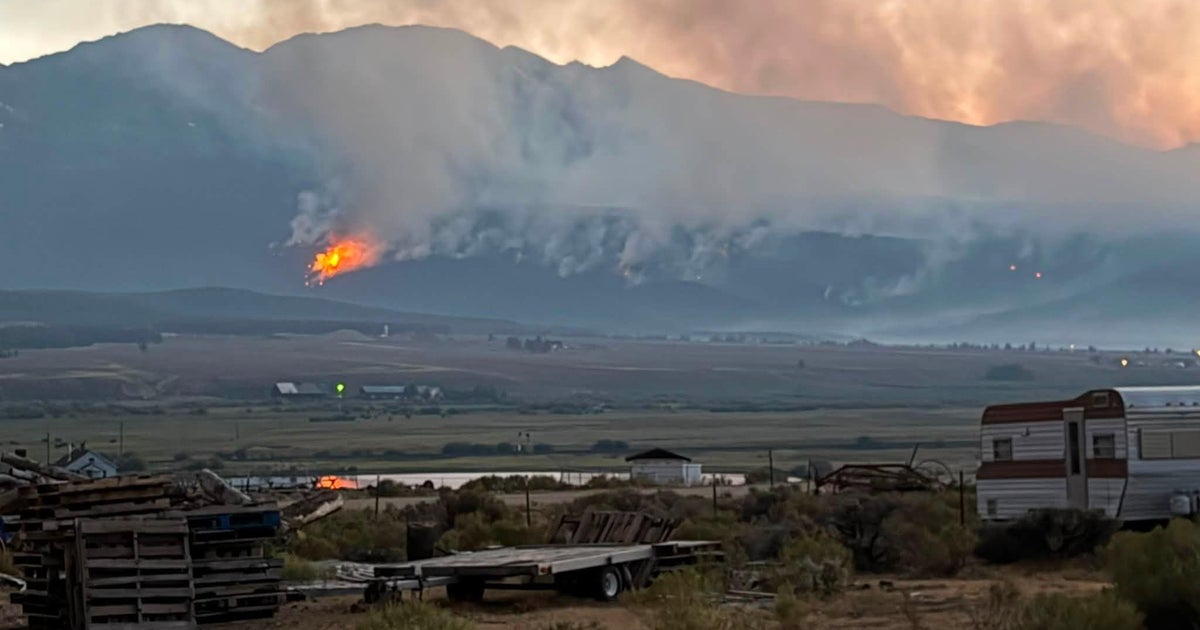
The Willow Fire ignited June 28 in the Twin Mounds area between Mount Massive and Leadville, Colorado. By July 5, 2026, the blaze measured about 3,957 acres, up roughly 900 acres overnight and up from 2,969 acres the previous morning; containment was reported at 1% of the fire's circumference. Authorities issued new mandatory evacuation orders for Halfmoon Road (access to camping and the Mount Massive trailhead) and the Lake Fork Trailer Park, and added pre-evacuation warnings for areas farther south and southeast, including the north side of Twin Lakes and the eastern stretch of State Highway 82 from Independence Pass; some pre-evacuation zones border Chaffee County. Fire crews had tried to use Halfmoon Road as a control line with controlled burns and aircraft slurry drops and planned to steer the fire into higher elevations with less fuel, but the fire advanced despite those efforts. Incident commanders reported “historic dryness” and record-setting low fuel moistures. New shelters opened at Buena Vista Public Safety Complex and Battle Mountain High School. Leadville Regional Airport closed to non-emergency air traffic. The cause of the fire remains undetermined.
Biblical Reflection
The article is a straightforward operational update: it emphasizes rapid growth, evacuation orders, and tactical firefighting measures without speculating on cause. That focus aligns with public-safety priorities—informing people at risk and describing response actions. From a Christian pastoral perspective, the story highlights human vulnerability, the courage of responders, and the need for practical neighbor-love. Be cautious about letting statistics (acreage, percent contained) create panic or distance; they are useful, but they don't replace concern for displaced people, property loss, and long-term recovery needs. The mention of historic dryness points to environmental realities that require wise stewardship, but the article does not explore those causes or policy responses, so avoid assuming easy explanations. Christians should respond with truth-seeking (acknowledging facts), mercy (support for evacuees and responders), humility (recognizing limits of control), and advocacy for responsible care of creation and community resilience.
Scripture in context
This outlook does not yet include contextual Scripture citations. Do not treat a general biblical theme as an exegetical conclusion.
Faithful Response
No prescribed response is offered. Consider the reflection prompts below in your own church context.
Reflection and Discussion
- 1Does the coverage center immediate public safety needs over sensational metrics, and how does that shape your response?
- 2What longer-term causes or prevention measures (drought, land management, resources for firefighters) are absent from the report and worth asking about?
- 3Whose practical needs are most urgent now—evacuees, first responders, or neighboring communities—and how should that order guide aid and attention?
Sources
Reporting links are evidence inputs; Sanctuary News' biblical reflection is commentary.
This outlook currently relies on fewer than two linked sources. Broaden verification before teaching from it.
- 1.Original reportprimary