News Summary
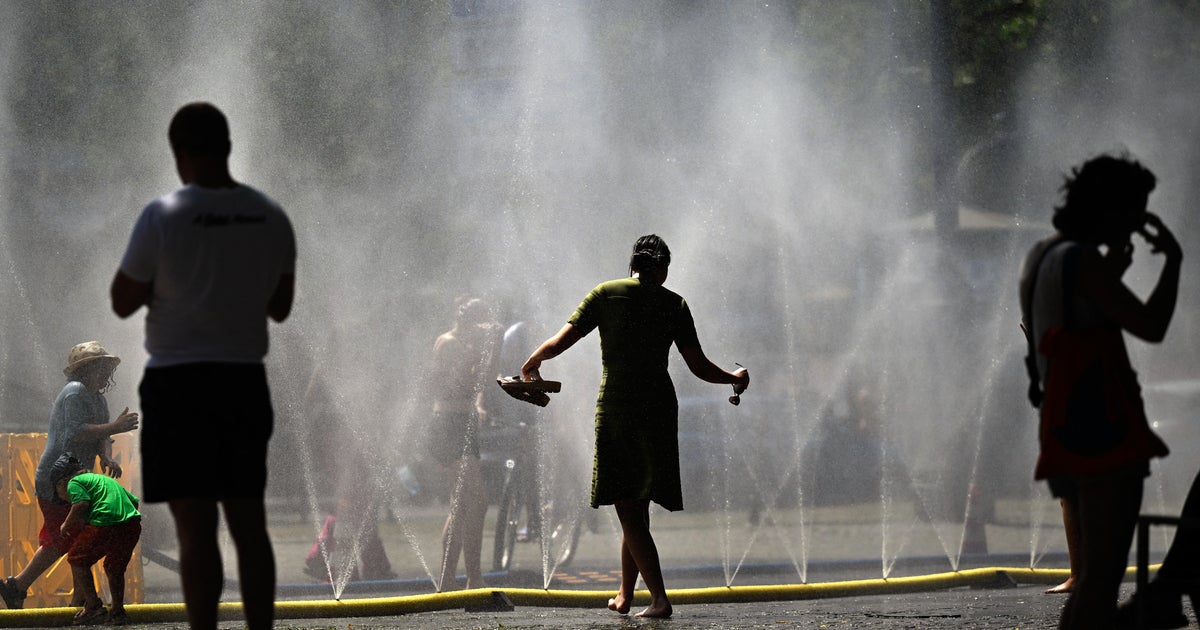
A heat wave moved from western to central and eastern Europe on Saturday, June 27, 2026, producing multiple national and municipal temperature records. Germany reported a provisional national high of 106°F; Denmark recorded 98.6°F in Ødum (the highest since records began in 1874); Basel, Switzerland reached 101.8°F; and the Czech town of Doksany saw 105°F. High temperatures damaged infrastructure: sections of the A2 Autobahn outside Berlin experienced concrete failure and closures, and other highway damage was reported. Deutsche Bahn and other rail operators advised against nonessential train travel. A nursing home in Dormagen was evacuated after indoor temperatures hit about 95°F; a resident died overnight though a heat-related cause had not been confirmed. French hospitals activated emergency plans as emergency-department visits rose roughly one-third, with many patients elderly; large areas of France were under red heat alerts. Officials and emergency services across affected countries reported significant strain on health and transport systems.
Biblical Reflection
The article reports immediate, verifiable impacts of an extreme weather event without exploring long-term causes or policy responses. That narrow focus is useful for situational awareness but can obscure structural questions—why systems and buildings are so vulnerable to heat and what long-term stewardship and public-health planning might require. From a Christian perspective, this story highlights our dependence on creation and the moral obligation to protect the vulnerable: elderly people in poorly cooled care homes, travelers stranded by damaged roads and rails, and healthcare systems under strain. The coverage rightly draws attention to human suffering and practical needs; readers should also ask whether society is responsibly preparing for predictable climate extremes and whether resources and care are being equitably directed to those most at risk. Christians are called both to truthful analysis (including scientific evidence about climate trends) and to acts of mercy, advocacy, and wise stewardship in response.
Scripture in context
This outlook does not yet include contextual Scripture citations. Do not treat a general biblical theme as an exegetical conclusion.
Faithful Response
No prescribed response is offered. Consider the reflection prompts below in your own church context.
Reflection and Discussion
- 1Does the reporting focus mainly on immediate impact while overlooking systemic causes and long-term adaptation needs?
- 2Who in our communities is most exposed to heat risk, and how can the church or local congregation practically protect them?
- 3Are we balancing truthful engagement with scientific findings about climate trends and compassionate action toward those suffering now?
Sources
Reporting links are evidence inputs; Sanctuary News' biblical reflection is commentary.
This outlook currently relies on fewer than two linked sources. Broaden verification before teaching from it.
- 1.Original reportprimary