News Summary
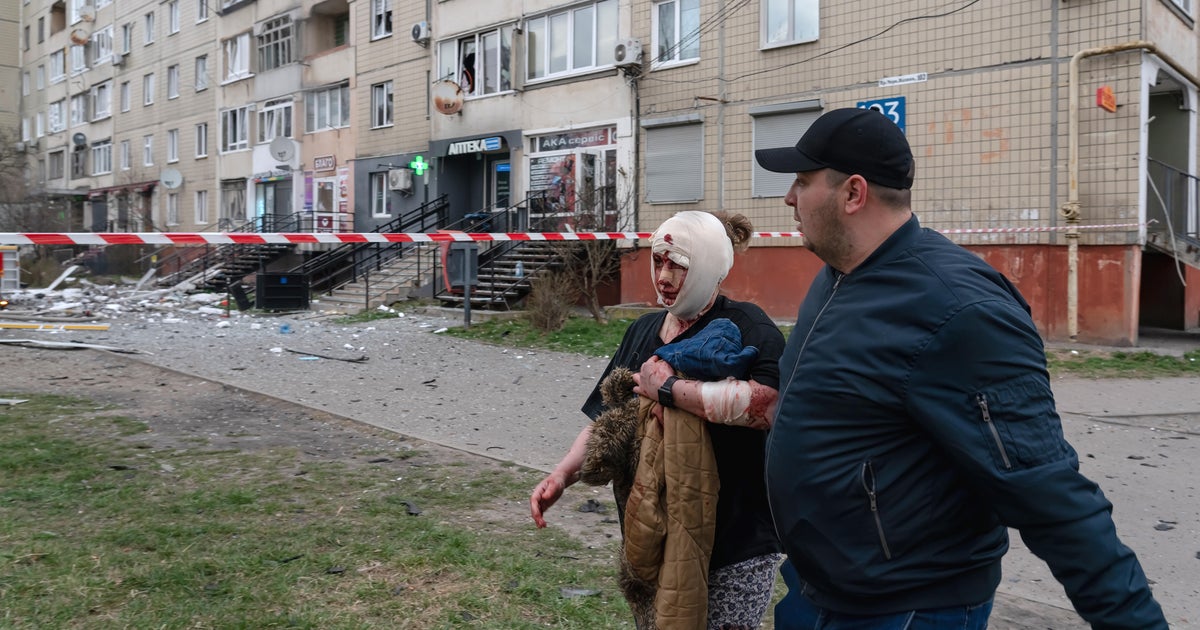
On March 25, 2026, Estonia and Latvia reported that Russian-launched drones entered their territory. Estonia's Internal Security Service said a drone crossed in from Russia and struck the chimney of a power station. Latvia's armed forces reported a Russian drone crashed on Latvian territory without causing damage. These incidents followed a large-scale Russian aerial assault on Ukraine that began the previous evening: Ukraine's Air Force said Russia launched nearly 1,000 drones starting Monday night, including more than 550 on Tuesday afternoon, many aimed at western regions near NATO borders. Ukrainian officials released video showing an Iranian-made Shahed drone striking a building near a church in Lviv; city officials reported a second strike in Lviv that wounded 22 people and damage to a maternity hospital in Ivano-Frankivsk. Ukrainian leaders described the incursions as an escalation and urged stronger European air defenses; Ukrainian President Volodymyr Zelenskyy linked increased Russian aggression to recent changes in U.S. oil sanctions policy. NATO recorded an increase in Russian airspace violations, reporting 18 such incidents in 2025 — three times the number in 2024. Ukrainian Foreign Minister Andrii Sybiha compared Russia's strikes to Iranian attacks in the Middle East and called for stronger pressure on Russia.
Biblical Reflection
From a Christian perspective, the facts reported point to an intensification of violence with real human cost — damage to civilian infrastructure, injuries, and the risk of broader confrontation when military activity crosses into NATO states. The article largely presents Ukrainian officials' framing of events (escalation, calls for stronger defenses, and moral condemnation of Russia), and cites NATO data showing increased airspace violations. Readers should note the article centers Ukrainian and NATO perspectives and does not include a Russian official explanation; this is relevant for understanding both factual gaps and rhetorical framing. Biblically, aggression against the innocent and attacks that endanger civilians call for justice, protection of the vulnerable, and mourning for those who suffer (Isaiah 1:17; Matthew 5:4, 5:9). At the same time, Christians should be cautious about consuming or repeating purely political labels (e.g., “terrorist state”) without distinguishing moral judgment from legal definitions the international community uses. The report also highlights how escalation can be incentivized by geopolitical signals; Christians should pray for wise leadership that seeks to protect the innocent while pursuing avenues that reduce further bloodshed. In responding, the faithful are called to mourn with the afflicted, seek peace where possible, advocate for protection of civilians, and resist being drawn into dehumanizing rhetoric toward any group.
Scripture in context
This outlook does not yet include contextual Scripture citations. Do not treat a general biblical theme as an exegetical conclusion.
Faithful Response
No prescribed response is offered. Consider the reflection prompts below in your own church context.
Reflection and Discussion
- 1Which perspectives are centered in the article, and whose statements or explanations are missing that would help verify the sequence and intent of these cross-border incidents?
- 2How does the language used (e.g., 'escalation,' 'terrorist state') shape our emotional and moral response, and what standards should we use to separate justified moral condemnation from politically charged rhetoric?
- 3Given the risks of wider conflict when military actions cross allied borders, how should Christians weigh calls for strength and deterrence against the biblical imperative to pursue peace and protect civilians?
Sources
Reporting links are evidence inputs; Sanctuary News' biblical reflection is commentary.
This outlook currently relies on fewer than two linked sources. Broaden verification before teaching from it.
- 1.Original reportprimary