News Summary
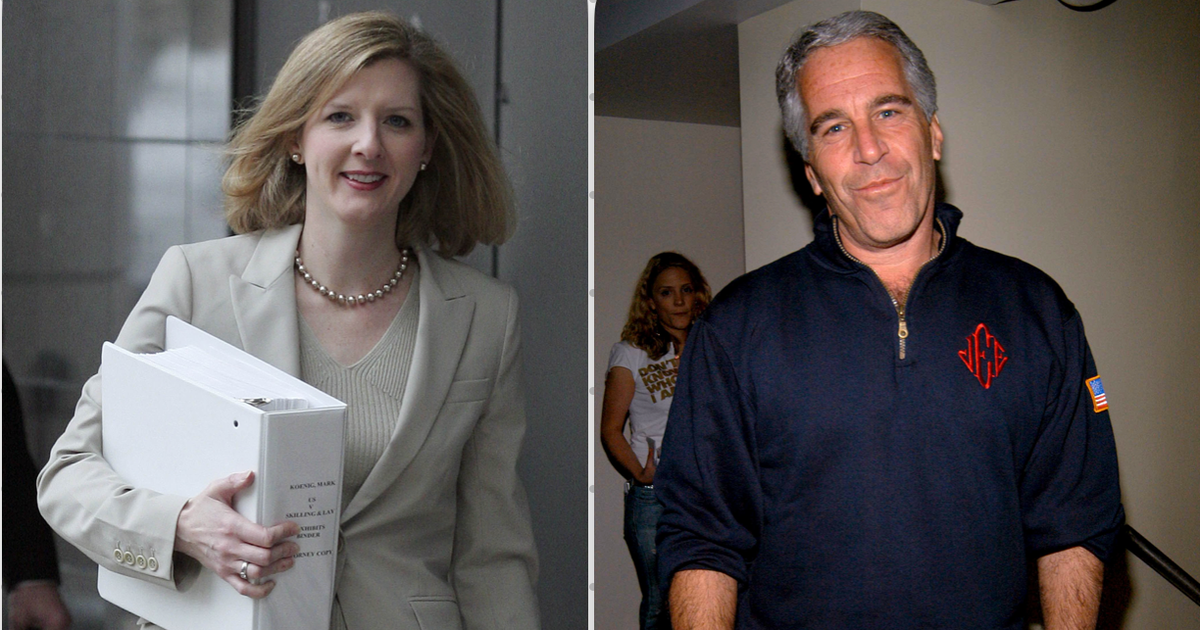
Documents from the Justice Department's release of Jeffrey Epstein files and reporting by CBS News show that Epstein helped arrange a settlement between the Edmond de Rothschild Group and the U.S. government under the Swiss Bank Program. The bank agreed to pay roughly $45.5 million to the IRS plus legal fees; a separate payment agreement dated Oct. 5, 2015, shows Epstein’s company, Southern Trust, was listed as performing “risk analysis” and received $25 million after the settlement. Epstein exchanged emails with Ariane de Rothschild and with Kathy Ruemmler, a former Obama White House deputy counsel who had rejoined Latham & Watkins and represented the bank in negotiations. Records and emails outline Epstein’s proposed fee schedule tied to the size of the bank’s fine and show two transfers to Epstein’s account shortly after the DOJ announced the settlement. Ruemmler has said Epstein was a referral source, that she did not know of ongoing criminal activity, and denies wrongdoing; she will appear before the House Oversight Committee regarding her interactions with Epstein. The reporting notes Epstein continued to leverage relationships with wealthy patrons and advisers even after his earlier criminal conviction, and that his network included other high-profile figures who engaged with him professionally.
Biblical Reflection
This story highlights several spiritual and civic concerns. First, it reveals how social capital and private networks can influence outcomes in legal and financial matters—raising questions about fairness, transparency, and the stewardship of public justice. Christians should be wary of narratives that equate access and prestige with moral credibility; wealth and reputation can mask wrongdoing and can tempt professionals to prioritize career advantage over conscientious judgment. At the same time, the reporting relies on documents and contemporaneous emails, but it also raises inferences about motives and culpability that are still subject to investigation and legal process; a faithful response balances a pursuit of truth with caution about premature conclusions. Pastoral convictions call for rigorous accountability for abuse and corruption, compassionate care and credibility for survivors of sexual crimes, and humility for institutions and leaders who must answer for moral failures. Finally, the piece underscores systemic problems—how power and secrecy can enable harm—which Christians should address by advocating for transparent systems, protection for the vulnerable, and ethical leadership.
Scripture in context
This outlook does not yet include contextual Scripture citations. Do not treat a general biblical theme as an exegetical conclusion.
Faithful Response
No prescribed response is offered. Consider the reflection prompts below in your own church context.
Reflection and Discussion
- 1Who benefits when legal settlements are negotiated behind closed doors, and who is excluded or harmed by that secrecy?
- 2Do we too quickly let titles and connections stand in for moral character, and how should Christians weigh prestige against evidence of harm?
- 3How can Christian communities and institutions promote systems that protect the vulnerable and demand transparency from those in power?
Sources
Reporting links are evidence inputs; Sanctuary News' biblical reflection is commentary.
This outlook currently relies on fewer than two linked sources. Broaden verification before teaching from it.
- 1.Original reportprimary